

Posts in Ophthalmology
Central Florida Eye Care Tips for Allergy Season Protection

Late spring in Central Florida usually brings more than just warmer mornings and longer days. For many, it also means itchy eyes, stuffy noses, and daily choices that affect how we feel. Allergy season sweeps in quietly but sticks around, often making everyday tasks like walking the dog or picking up groceries feel harder than they should be.

We know that for a lot of people, eye discomfort is what gets noticed first. That burning, gritty feeling or constant watering can turn a nice day outdoors into an uncomfortable chore. Local residents often look for practical Central Florida eye care strategies to protect their eyes during this high-pollen season. Knowing what helps, what triggers symptoms, and when deeper care might be needed can make a real difference in how comfortable your spring and early summer feel.

Understanding How Allergies Affect the Eyes

When the trees and grasses start blooming, the impact isn’t always visible, but it’s definitely felt. Allergens like pollen and mold float through the air, landing on the eyes and triggering an immune response. That’s when symptoms show up quickly, often within minutes of being outside.

Common signs include:

  • Itchy or burning eyes that don’t stop even after rubbing

  • A persistent watering feeling, even when you’re not crying

  • Eye redness or puffiness that gets worse on dry, windy days

In Central Florida, these symptoms tend to spike during late spring, especially when pollen counts climb. Things like mowing the lawn or pulling weeds without sunglasses can worsen the problem, and even sitting under a tree at the park can leave your eyes irritated for hours. Mold can add another layer too, especially after rainfall that leads to damp yard debris. Everyday activities like gardening, walking on trails, or cleaning the garage may stir up more allergens than expected.

It’s not always just the visible blooms or grass that create problems, sometimes even a quick trip outside is enough to start symptoms for those who are sensitive. Knowing your own triggers and being ready to adjust your routine can help you react quickly and limit discomfort.

Protective Habits for Outside Activities

The good news is, small changes to your outdoor routine can help protect your eyes and reduce flare-ups during allergy season. It doesn’t mean you need to avoid the sunshine or stay indoors all day. It just means being a little more mindful when pollen is high.

Try these outdoor tips:

1. Wear wraparound sunglasses to block pollen and wind from reaching your eyes

2. Check pollen forecasts and plan errands or exercise for times right after a rain or during early morning

3. Change clothes and shower soon after spending time outside to remove pollen that might have settled on your skin and hair

Even quick errands like walking through a parking lot or pumping gas can expose you to pollen. Keeping your sunglasses on and avoiding touching your face until you can wash your hands goes a long way. And on those extra dry or breezy days, it may be worth putting off the yardwork until conditions settle down.

If you love being outside or need to work outdoors, it helps to keep these habits top of mind. Using a wide-brimmed hat and washing up promptly when you get back inside can make the transition from outdoors to indoors a lot more comfortable for your eyes.

Eye Florida offers prescription sunglasses and recommendations for outdoor allergy relief, helping reduce exposure to pollen and irritants during Central Florida's high-pollen months.

Simple Indoor Changes That Help

While outdoor pollen gets a lot of attention, allergies don’t always stop at the doorstep. Indoor air can carry irritants too, especially if windows are open or filters are overdue for a change. Taking a few steps inside your home can give your eyes a break from allergens that sneak in.

Helpful indoor habits include:

  • Running an air purifier with a HEPA filter, especially in bedrooms or places where you spend long stretches of time

  • Keeping windows closed on high-pollen days and wiping down windowsills or entryways regularly

  • Avoiding the use of ceiling fans or floor fans that may blow pollen or dust around during peak allergy weeks

It’s not just about avoiding discomfort today. Keeping your indoor space cleaner during the height of allergy season may help cut down on symptoms that linger overnight or get worse first thing in the morning.

Another tip is to wash bedding, pillowcases, and curtains more frequently during allergy season. These items can easily trap pollen and dust, leading to extended exposure even when you’re just trying to rest. Taking the time to vacuum carpets and wipe down surfaces adds another level of protection, making it less likely for pollen to build up around you.

Our eye care team at Eye Florida recommends regular HVAC maintenance and updated home air filters to help reduce indoor allergen exposure.

Eye Care Habits That Make a Difference

One of the fastest ways to make allergy symptoms worse is also the most tempting. Rubbing your eyes brings short-term relief but often leads to redness, swelling, and even more irritation. When eyes itch, the goal should be soothing them, not upsetting them more.

Some easy-to-follow care tips include:

  • Never rubbing your eyes, no matter how itchy they feel

  • Using a soft, cold compress to ease discomfort without medication

  • Choosing artificial tears or allergy-friendly eye drops only with advice from an eye care provider

Some over-the-counter options may seem helpful at first but can dry out your eyes or lead to more frequent use than needed. It’s always better to talk with a care provider if you’re unsure what’s helping or not. That way, you can avoid mistaking allergy symptoms for something else and end up with the right plan for your eyes.

If your eyes tend to dry out at work or in air-conditioned rooms, try to keep a bottle of preservative-free artificial tears at your desk or in your bag. Applying them as recommended can help rinse away irritants and keep eyes feeling more comfortable throughout the day.

Eye Florida provides guidance on safe use of tear supplements and allergy eye drops, and can recommend prescription-strength solutions when necessary for persistent symptoms.

When to Ask for Professional Help

Most spring allergy symptoms come and go, but there are times when they linger or feel different than expected. If you’re dealing with eye discomfort that lasts more than a few days with no relief, it may be a sign that something more is going on. Blurred vision, swelling around the eye, or pain when blinking are not typical signs of allergies.

Some warning signs to watch for include:

  • Vision that seems cloudy or inconsistent

  • Swelling or bulging that affects how your eye looks or moves

  • Discomfort that doesn’t lessen with home care or rest

In those cases, it’s smart to make time for an evaluation instead of waiting it out. Seasonal allergens are common, but not everything that irritates your eyes is tied to pollen or mold. Knowing when symptoms fall outside the "normal" window helps protect your eye health long-term. That’s where personalized Central Florida eye care can make a difference during this part of the year.

Don’t hesitate to get clarity, especially if new or more severe symptoms arise. Addressing changes sooner rather than later gives your provider a better chance of identifying the issue and getting you back to feeling comfortable.

Clearer Eyes and Better Days Ahead

Spring in Central Florida doesn’t have to be the season when your eyes run, burn, and ache every other day. With a bit of planning and awareness, you can lower irritation without giving up time outdoors or comfort inside your home. Sustainable habits, like wiping down surfaces, using sunglasses more often, and keeping filters clean, play a big role in how your eyes feel after a full day.

Whether you’re pulling weeds or keeping the windows shut during peak pollen hours, these small changes matter. Managing eye symptoms during allergy season comes down to being aware of your space, adjusting your activities, and paying attention when something doesn’t feel right. With the right habits in place, the spring and early summer months around Central Florida can feel a lot clearer.

When spring allergens leave your eyes feeling irritated, our team understands how frustrating persistent symptoms can be. While small changes at home may offer some relief, personalized care is key to lasting comfort. Discover how our approach to Central Florida eye care can help you find real relief. Reach out to Eye Florida and schedule your visit today.
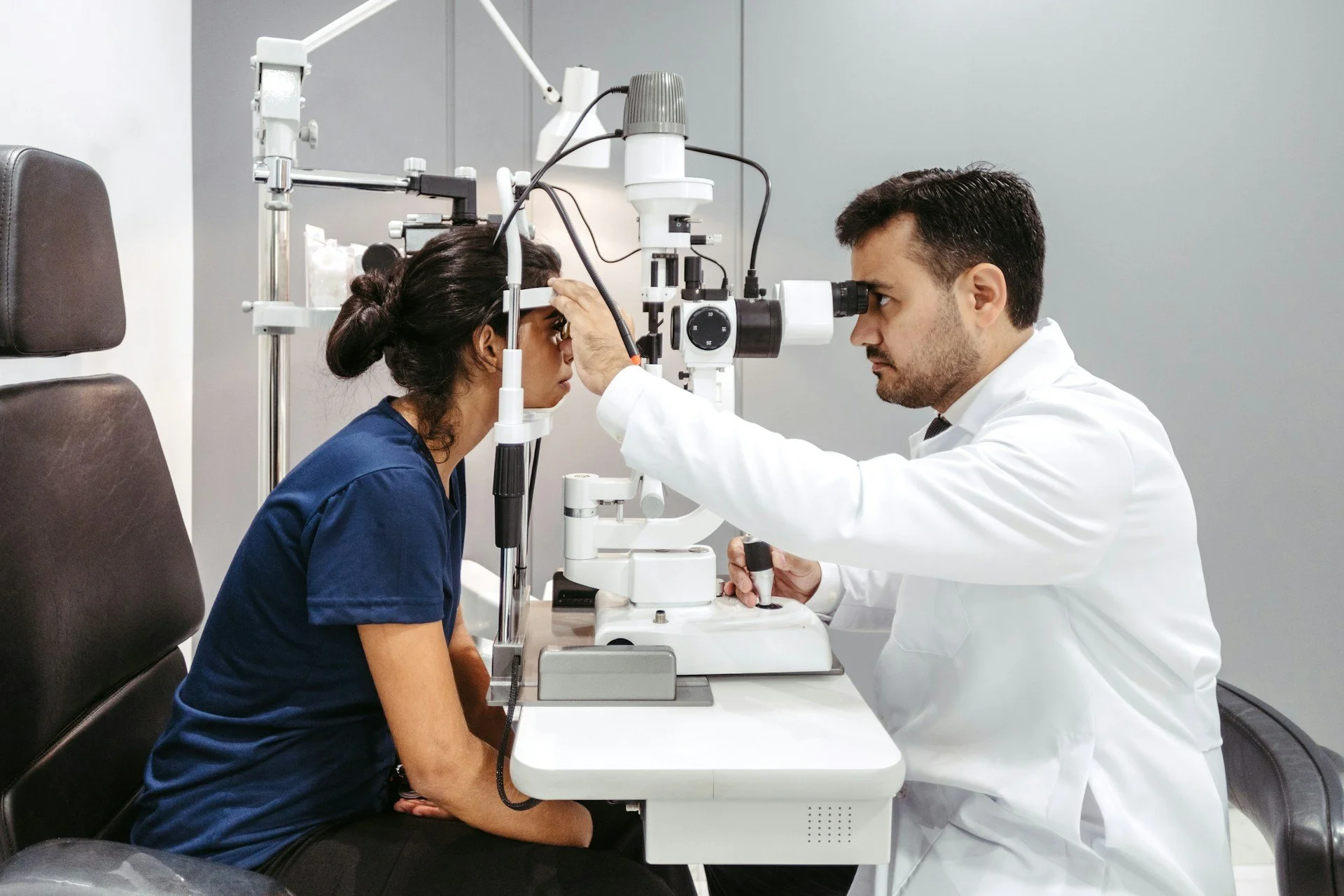
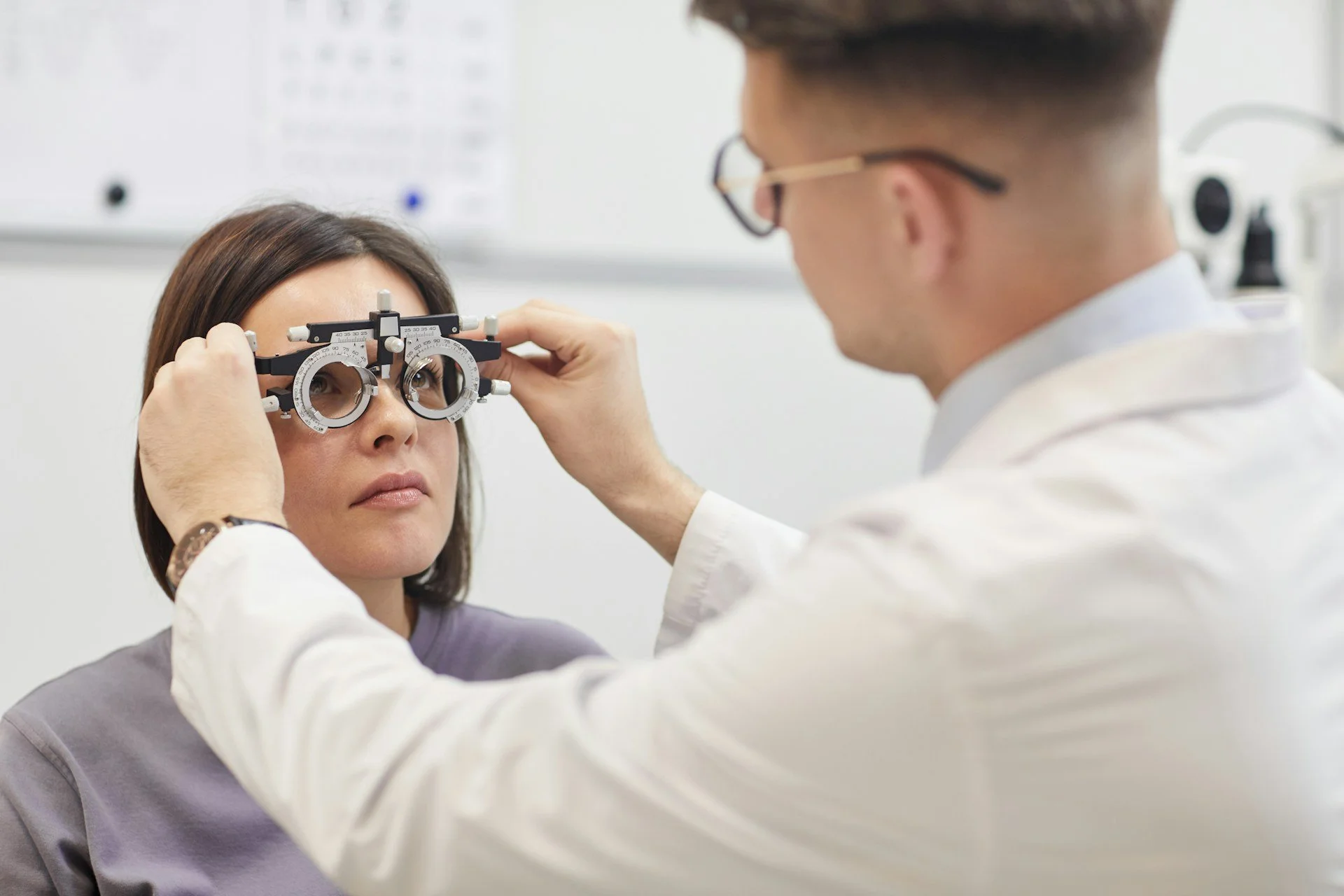
OphthalmologyEye Florida
Everything to Know About an Eye Clinic in Kissimmee This Spring

Spring is a beautiful time in Kissimmee. By April, longer days and warmer air draw more of us outside. The trees are fuller, the sun feels more direct, and pollen starts floating through the breeze. While these shifts make local parks and trails more inviting, they can also make your eyes feel extra tired or irritated.

A quick walk or a few hours in the yard might leave you squinting or rubbing your eyes. Bright light mixes with dry air and allergens, which can affect how your eyes feel from morning to evening. That’s where visiting an eye clinic in Kissimmee can help. Getting ahead of seasonal changes makes it easier to keep your eyes feeling good through the spring months.

What to Expect During a Spring Visit to an Eye Clinic

Spring brings more than just flowers and warm weather. For many people, it also brings dry eyes, puffiness, and new light sensitivity. A spring visit to an eye clinic takes those things into account.

  • We usually look at how your eyes are handling the sudden shift in lighting and outdoor conditions

  • Eye exams during this time may focus more on dryness, allergies, and any early signs of irritation

  • We ask about time spent outdoors, how your eyes feel after those activities, and if you notice any new discomfort

In Kissimmee, pollen often peaks in early to mid-spring. That can hit hard, especially if you already deal with contacts or screen fatigue. A visit helps us look for patterns and adjust care based on what spring tends to stir up here. That way we can spot small problems before they start affecting your vision or comfort long-term.

Eye Florida provides personalized spring eye care, including solutions for dry eye, eye allergies, and custom recommendations for contact lens wearers at our Kissimmee location.

Why Spring Weather Matters for Eye Comfort

Humidity, wind, and temperature shift quickly this time of year. Even within a single day, your eyes might go from damp and relaxed in the morning to dry and strained by afternoon. That’s not just your imagination, spring weather patterns directly affect your eyes.

  • The jump in heat and sunlight can dry out your eyes if you're outside often

  • Wind picks up pollen and dust, blowing it into your face, lashes, or lenses

  • Higher UV levels mean stronger reflections from pavement, water, and cars

Even a short time outside without protection can change how your eyes feel later in the day. If you live in Kissimmee and wear lenses, walk a lot, or have sensitive eyes in general, spring conditions may affect you more than other seasons.

We offer prescription sunglasses, dry eye evaluation, and treatments to help shield your eyes from spring's environmental triggers.

Common Eye Symptoms in Kissimmee During Spring

Spring in Kissimmee doesn’t feel extreme, but the symptoms it creates can be bothersome. Some people feel the effects right away. Others don’t notice until dry or blurry vision becomes common.

  • Allergies may show up as itchy or watery eyes, even when you’re indoors

  • Some people experience scratchiness from dry air or swelling due to pollen

  • Light sensitivity often increases, especially near midday or after outdoor exposure

If you spend time on screens, these symptoms may combine with digital eye strain. The end result is eyes that feel tired earlier, harder to focus with, or extra irritated before bed.

During spring, these symptoms may take on a pattern. You may notice that your eyes feel fine in the early morning but get steadily worse through the day, particularly after time spent outside or using digital devices. For contact lens wearers, springtime discomfort can show up sooner than expected. Lenses can trap allergens and make dry air feel even more pronounced, leading to gritty or sticky sensations well before your normal replacement schedule.

Preparing for Outdoor Time the Smart Way

Spending time outside doesn’t have to make your eyes miserable. With just a little planning, you can keep your outdoor routine while protecting your vision. The idea is to reduce what reaches your eyes before discomfort builds.

  • Wear wraparound sunglasses that can block both UV rays and wind

  • Rinse your face and eyelids when you come inside to remove pollen that sticks to skin or lashes

  • Keep a small bottle of preservative-free drops or artificial tears if dry air tends to affect you

Try to take short breaks in shaded areas or look down occasionally when the sun feels overbearing. This gives your eyes a chance to relax without needing to go indoors completely.

Practical habits like these can help minimize how much pollen or debris gets near your eyes in the first place. Wraparound sunglasses not only shield against sunlight but also act as a barrier against wind and airborne irritants. Cleansing your face and eyelids after being outside reduces allergy triggers, while lubricating drops help restore moisture lost to exposure and heat. Remember, the key is consistency, making these tasks a regular part of your routine during spring can make a difference in your daily comfort.

When to Visit an Eye Clinic for Help

Sometimes no matter how careful you are, your eyes still feel off during spring. That’s not a reason to tough it out, it's a good time to get checked.

  • If you’re rubbing your eyes often or waking up feeling like your lashes are glued shut, it's worth getting it looked at

  • Contact lens users may notice their eyes feel gritty or dry much sooner in the day

  • Blurry vision that doesn’t clear up after rest can suggest something more than seasonal irritation

The value of working with an eye clinic in Kissimmee is knowing we understand how spring works here. We look at how heat, pollen, sun, and schedule changes all affect your comfort. If dryness, allergies, or brightness are wearing on you, we can help you manage it before it becomes something more serious.

At Eye Florida, our team is experienced in treating spring-specific eye issues with advanced diagnostics and a range of in-office and at-home treatment options to keep your eyes healthy.

Symptoms that persist or become more severe could signal an underlying issue that needs professional care. Early evaluation can make it easier to get relief with simple treatments, rather than waiting until irritation becomes disruptive to your daily life.

Give Your Eyes the Best Start This Season

Spring is a time when many people in Kissimmee start spending more hours outside, enjoying the weather. As that happens, those little shifts in air and light can catch you off guard. Your eyes may feel more tired, more sensitive, or harder to manage at the end of the day. Recognizing those signs early and adjusting your habits can go a long way.

You don’t have to avoid the outdoors or struggle through squinting. A few smart adjustments and the right kind of care can keep your eyes feeling sharp and comfortable all spring. When the weather starts to shift, think of it as a reminder, it’s time to check on your vision too.

As spring brings warmer air, more pollen, and stronger sunlight, you may notice your eyes feeling more sensitive in Kissimmee, FL. A quick visit to an eye clinic in Kissimmee can help identify the cause of your new symptoms and offer solutions to keep you comfortable. At Eye Florida, we’re here to help you get the care you need before irritation affects your day, call us to schedule your visit today.

OphthalmologyEye Florida
Florida Ophthalmology in Spring: Common Eye Changes and Easy Ways to Adapt

Early spring in Florida doesn’t always feel like a big seasonal shift, but for your eyes, even small changes in weather and light can have an impact. As the days grow longer and the air becomes warmer, our daily routines shift without us realizing it. We spend more time outside, react to sudden bursts of pollen, and squint a little more under the returning sun.

These quick changes can make your eyes feel tired, irritated, or unusually dry. In St Cloud, FL, the spring season often arrives with light breezes and high pollen counts. It's a good time to understand how your eyes respond and what small adjustments can keep them feeling clear and comfortable.

Why Eyes Feel Different in Early Spring

In early spring, warm air starts moving in fast. Humidity levels change quickly, which can take a toll on tear production. Eyes that once felt fine may suddenly feel dry, scratchy, or watery for no clear reason.

Along with changing air, springtime stirs up outdoor elements like fresh pollen. Trees and grasses kick off their blooming season, and since pollen floats freely, it tends to land right where we don’t want it, on exposed eyes.

Longer daylight hours and more sunshine can also lead to eye strain, especially if you’re still adjusting to the shift. All of this together can make your eyes more sensitive than they were just a few weeks ago.

Allergies and Eye Sensitivity

Spring allergies hit hard in Florida. If you’ve lived in St Cloud, FL, for a while, you probably already sense when pollen levels start to rise. Your eyes might be the first place you notice it.

Common responses to spring allergens include:

  • Red or bloodshot eyes

  • An itchy or gritty feeling

  • Eyes that water constantly, even indoors

If you already struggle with dry eye or wear contact lenses, these problems could feel even more intense. Reacting to allergens while managing dryness can lead to longer recovery times, extra irritation, or blurry vision.

Simple habits can go a long way to protect your eyes from spring triggers:

  • Limit time outside on high-pollen days, especially in the morning

  • Wear wraparound sunglasses to block wind and airborne irritants

  • Rinse your face and eyelids when you come back inside

The more proactive you are during March and April, the better your eyes may feel throughout the season.

Eye Florida provides advanced dry eye diagnostics and allergy relief solutions, including prescription and non-prescription treatments specifically designed for the needs of Florida residents during high pollen seasons.

Spending More Time Outside

After months of shorter days, it's natural to want to get outside more once spring arrives. Whether you’re walking the dog, tending a garden, or sitting in the sun, your eyes end up exposed to more light and wind.

Sunlight reflected off concrete, cars, or water can lead to squinting and light sensitivity, especially if you're not used to strong midday rays. These reflections aren’t just bright, they can actually tire your eyes out more quickly.

Here are a few things we’ve found helpful:

  • Choose wraparound sunglasses with true UV protection

  • Look for lenses that help block both UVA and UVB rays

  • Take short breaks in the shade or indoors to give your eyes a rest

The more direct light reaches your eyes, the more likely you’ll deal with fatigue later. Adjusting how and when you spend time outside can make a difference.

Eye Florida offers prescription sunglasses and lens coatings to help reduce glare and increase comfort for those spending more time outdoors during the spring.

Adjusting to Light and Screen Shifts

Spring doesn’t just change the outdoors, it shifts daily light patterns too. With daylight saving time and longer evenings, your eyes might struggle with new brightness levels, both from the sun and from screens.

Sleep patterns may shift as well, and poor sleep is often linked to tired, sandpaper-like eyes during the day. For people who spend a lot of time at the computer, bright screens late at night can add to that strain.

Here are a few ideas to ease the transition:

  • Turn down screen brightness a bit in the evening

  • Try not to scroll or work too close to bedtime

  • Aim to keep your sleep and wake times as consistent as you can

Getting used to new daylight hours takes time, but giving your eyes a little help can prevent afternoon or nighttime discomfort.

When to Check In With an Eye Care Professional

Not every spring irritation goes away on its own. If you're still rubbing your eyes weeks into the season, it may be something more than allergies. Getting help from someone familiar with Florida ophthalmology is useful.

We understand that spring symptoms can be tricky. Allergy or dryness? Gritty or light-sensitive eyes? Sometimes it's a combination, and without a clear look, it's hard to know how to respond.

A checkup might be helpful if you notice:

  • Blurry or foggy vision that doesn’t clear up

  • Ongoing dryness that drops or breaks don’t seem to help

  • Irritation or discomfort that gets worse, not better

By checking in early, we’re better able to spot small seasonal changes before they grow into something more serious.

Keep Your Eyes Happy as Spring Picks Up

Spring brings changes your eyes can feel right away. Even if everything else seems fine, it’s easy to overlook small signs like squinting more often or feeling dryness at the end of the day. Florida’s early spring season comes with bright sun, patchy wind, and high pollen, and that can be enough to stir things up for your eyes.

The more you pay attention to those early signs, the easier it is to stay ahead of irritation. A few simple moves, like wearing sunglasses, managing screen brightness, or limiting outdoor time on dry windy days, can help protect your eyes and keep them feeling better week by week.

At Eye Florida, we understand how quickly spring conditions in St Cloud, FL, can change your eye comfort. When everyday shifts in pollen, light, and outdoor activities start to make your eyes feel different, it’s important to stay proactive. If you’re experiencing persistent strain, sensitivity, or dryness, our team is here to help you find answers. Discover how Florida ophthalmology can support your eye health and call us to schedule your visit today.

OphthalmologyEye Florida