
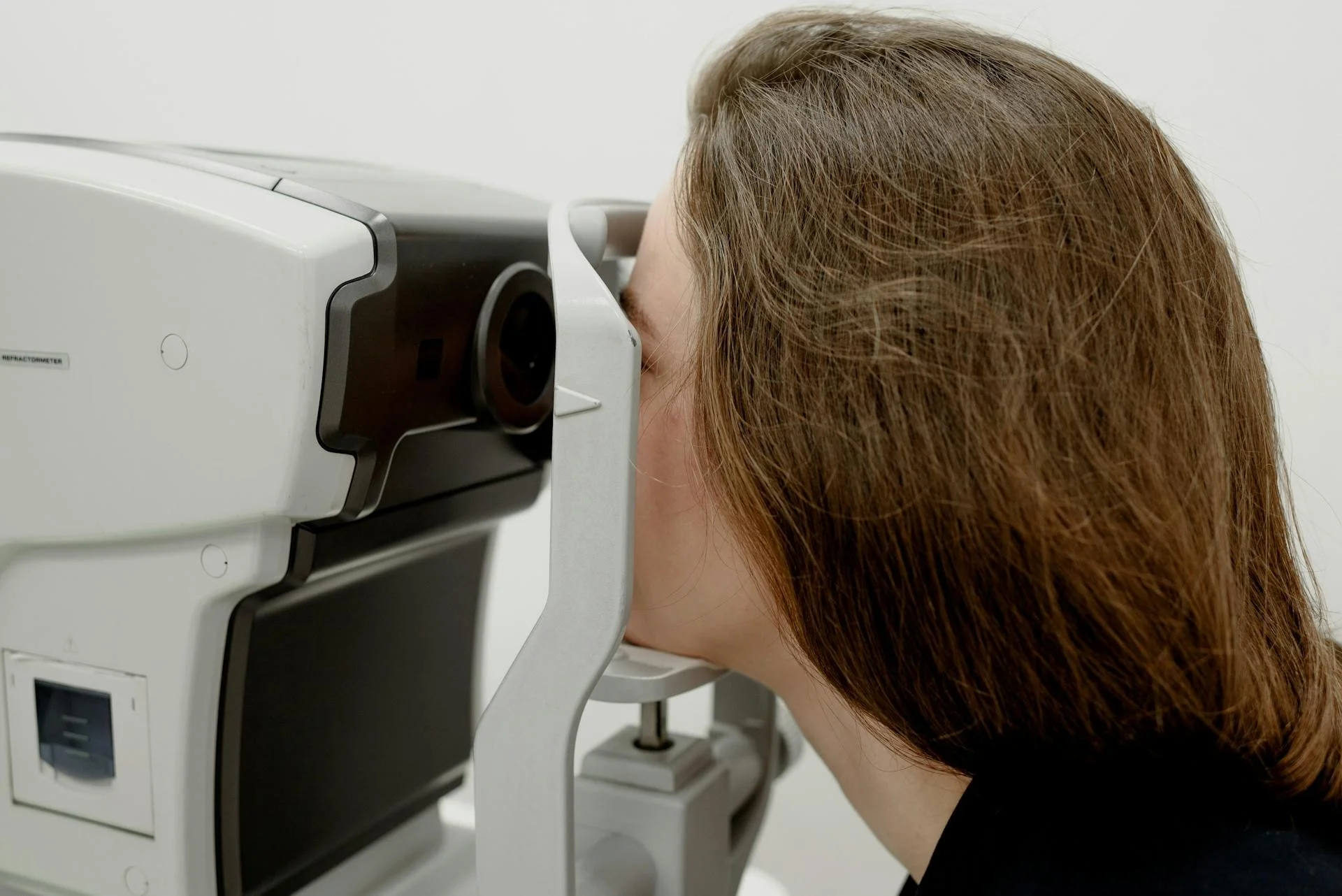
Posts in Ophthalmology
How to Recognize When Eye Care Is an Emergency

When Sudden Eye Symptoms Need Fast Action

When something changes in your eyes, it can feel scary fast. Vision is how we work, drive, care for family, and enjoy life, so knowing when a problem is an emergency really matters. Getting the right help quickly can protect sight, ease pain, and lower the chance of long-term damage.

Not every red, itchy, or tired eye needs a trip to the ER. But some symptoms should never wait to be checked. Here in St. Cloud, with the bright Florida sun, long days on the water, yard work, sports, and plenty of pollen in the air, our eyes face extra stress almost all year.

In this guide, we will walk through the warning signs that mean you should treat St. Cloud eye care as an emergency visit, the kinds of injuries that should be checked right away, and how to decide where to go for help.

Red Flag Eye Symptoms You Should Never Ignore

Some eye changes are so serious that waiting even a day can make things worse. These are signs to take very seriously.

Sudden vision loss or big changes should always be treated as urgent. This may look like:

  • Partial or complete loss of sight in one or both eyes  

  • Sudden blurry or hazy vision  

  • A dark “curtain” or shadow sliding over part of your view  

These changes can be linked with problems in the retina, bleeding in the eye, or even stroke and other serious health issues. Do not wait to “see if it clears up.” Same-day care is important.

Severe pain, redness, or strong light sensitivity are also red flags. This is different from mild burning or dry eye. Emergency-type pain often feels sharp, throbbing, or like strong pressure. You might notice:

  • Rapidly worsening redness  

  • Trouble opening the eye because of pain  

  • Bright light making you want to shut your eyes right away  

Over-the-counter drops are not a fix for symptoms like these and can sometimes make things harder to diagnose.

Sudden flashes, floaters, or double vision can be a sign that something is wrong inside the eye or with the nerves that control vision. Watch for:

  • A sudden shower of new floaters that look like spots, cobwebs, or squiggly lines  

  • Brief bursts of light, like tiny lightning streaks, especially in the side vision  

  • Double vision or trouble focusing even when you are not tired  

If any of these show up out of nowhere, seek urgent eye care or emergency help.

Injuries and Accidents That Require Immediate Eye Care

Everyday life in Central Florida brings risk to our eyes, from yard work on the weekend to time at the lake or pool. Some eye injuries should always be treated as emergencies.

Foreign objects and trauma at home or on the job can be very serious, especially with tools. Risky situations include:

  • Yard work, like weed trimming or mowing  

  • Sand or debris blowing on a windy day  

  • Home projects with hammering, drilling, or grinding  

If metal, glass, wood, or any object is stuck in the eye, do not rub, squeeze, or try to pull it out. Cover the eye lightly if you can and go for urgent care.

Chemical splashes are also an emergency. Common culprits include pool chemicals, cleaning sprays, bleach, fertilizer, pesticides, and car fluids. If this happens:

  • Start flushing the eye right away with clean water or saline  

  • Keep rinsing for at least 15 minutes if possible  

  • Then seek emergency care, even if things feel better  

Some chemical burns can keep harming the eye quietly, even when pain seems to ease.

A blow to the eye or face, like getting hit with a ball, elbow, or falling, can cause damage you cannot see on the surface. Warning signs after a hit include:

  • A “black eye” with blurry or double vision  

  • Blood pooling inside the front of the eye  

  • Severe swelling, nausea, or headache after the impact  

Any strong hit around the eye should be checked, especially in children or older adults who may not describe symptoms clearly.

When Pink Eye and Infections Are More Serious Than They Look

Pink, goopy eyes are common and often linked with mild conjunctivitis, also called pink eye. Many cases are uncomfortable but not an emergency. Typical mild conjunctivitis may involve:

  • Mild to moderate redness  

  • Itching or burning  

  • Some watery or sticky discharge  

But some infections are much more aggressive and can threaten vision, especially if they affect the cornea. This is a special concern for contact lens wearers, who are more likely to have serious infections.

Infection warning signs that should not wait include:

  • Thick green or yellow discharge  

  • Eyelids stuck shut in the morning  

  • Swelling around the eye or eyelids  

  • Fever or feeling sick at the same time  

  • White or gray spots on the clear front part of the eye  

  • Trouble keeping the eye open or worsening vision  

Avoid reusing old contacts or makeup, and do not rely on leftover prescription drops. Eye infections need fresh evaluation.

Children and older adults deserve extra attention. Kids might not explain pain well but may rub their eyes a lot, refuse bright light, or become fussier than usual. Older adults may already have eye problems or other health issues that hide symptoms. For both groups, early care helps protect vision and day-to-day independence.

How to Decide Between Urgent Care, ER, and Your Eye Doctor

When something is wrong with your eyes, it can be hard to know where to go first. A few simple guidelines can help.

Calling your eye doctor is often the best first step for:

  • New floaters without a clear loss of vision  

  • Mild infections with light discharge  

  • Worsening dry eye or irritation  

  • Ongoing discomfort that is not sudden or severe  

Eye clinics are set up with special tools to look closely at the front and back of the eye. Many practices in the St. Cloud eye care community leave room in the schedule for urgent visits.

Urgent care or the ER is a better option when:

  • There is serious trauma to the eye or face  

  • You have a chemical splash or burn  

  • There is sudden complete or near-complete vision loss  

  • Pain is very strong and your eye doctor is not available  

  • Vision changes come with slurred speech, weakness, or a severe headache  

If you can, call ahead to ask if the facility can connect with an eye specialist.

When you go for emergency eye care, bring a list of your:

  • Current medications and eye drops  

  • Allergies  

  • Past eye surgeries or conditions  

Also try to note when symptoms started, what you were doing, and anything you tried at home. These details give the doctor a head start.

Protecting Your Vision Year-Round with Local Expert Care

Living in St. Cloud means a lot of bright, sunny days on the water, at the park, or in the yard. All of that is great, but it can be tough on your eyes. To lower risk:

  • Wear sunglasses that block UV light during boating, fishing, or outdoor sports  

  • Use safety glasses or goggles for yard work and home projects  

  • Take screen breaks to rest your eyes  

  • Manage allergies and dry eye so you are less tempted to rub your eyes  

Regular eye exams are just as important. Many serious problems, like glaucoma, diabetic eye disease, and some retinal issues, start quietly with no pain at all. With routine checks, eye doctors can catch changes early, when treatment is usually easier and outcomes are often better.

Different ages and medical histories call for different exam schedules, and people who already have eye disease may need more frequent visits. Keeping up with follow-up care helps prevent small changes from turning into emergencies later.

Protect Your Vision With Expert Local Eye Care

If you are ready to take the next step toward healthier eyes, our team at Eye Florida is here to help. Explore our comprehensive St. Cloud eye care options to find the right solutions for your vision needs. We will guide you through every choice so you feel confident about your eye health. Have questions or want to schedule an appointment? Simply contact us and we will follow up promptly.

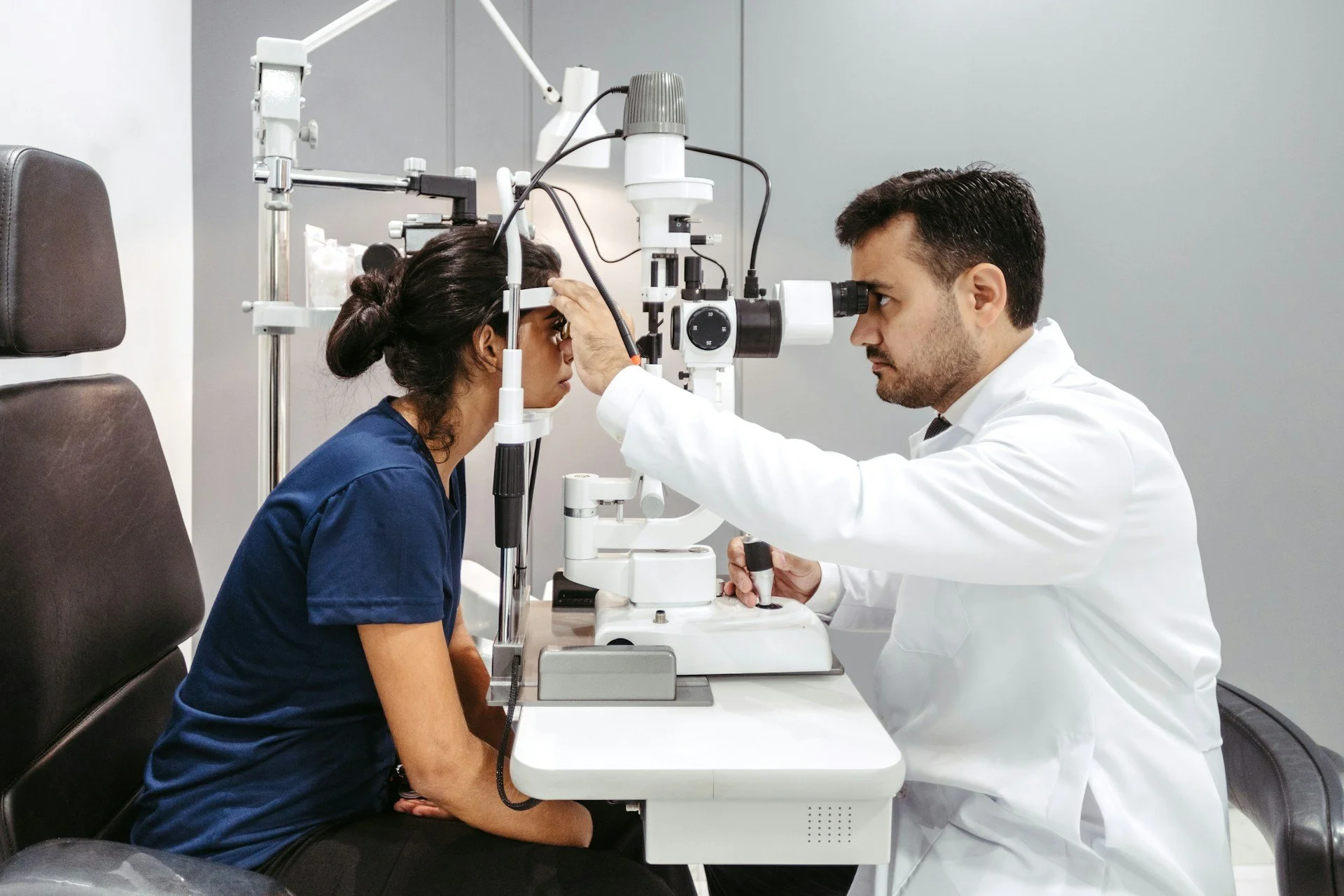
Central Florida Eye Care Tips for Allergy Season Protection

Late spring in Central Florida usually brings more than just warmer mornings and longer days. For many, it also means itchy eyes, stuffy noses, and daily choices that affect how we feel. Allergy season sweeps in quietly but sticks around, often making everyday tasks like walking the dog or picking up groceries feel harder than they should be.

We know that for a lot of people, eye discomfort is what gets noticed first. That burning, gritty feeling or constant watering can turn a nice day outdoors into an uncomfortable chore. Local residents often look for practical Central Florida eye care strategies to protect their eyes during this high-pollen season. Knowing what helps, what triggers symptoms, and when deeper care might be needed can make a real difference in how comfortable your spring and early summer feel.

Understanding How Allergies Affect the Eyes

When the trees and grasses start blooming, the impact isn’t always visible, but it’s definitely felt. Allergens like pollen and mold float through the air, landing on the eyes and triggering an immune response. That’s when symptoms show up quickly, often within minutes of being outside.

Common signs include:

  • Itchy or burning eyes that don’t stop even after rubbing

  • A persistent watering feeling, even when you’re not crying

  • Eye redness or puffiness that gets worse on dry, windy days

In Central Florida, these symptoms tend to spike during late spring, especially when pollen counts climb. Things like mowing the lawn or pulling weeds without sunglasses can worsen the problem, and even sitting under a tree at the park can leave your eyes irritated for hours. Mold can add another layer too, especially after rainfall that leads to damp yard debris. Everyday activities like gardening, walking on trails, or cleaning the garage may stir up more allergens than expected.

It’s not always just the visible blooms or grass that create problems, sometimes even a quick trip outside is enough to start symptoms for those who are sensitive. Knowing your own triggers and being ready to adjust your routine can help you react quickly and limit discomfort.

Protective Habits for Outside Activities

The good news is, small changes to your outdoor routine can help protect your eyes and reduce flare-ups during allergy season. It doesn’t mean you need to avoid the sunshine or stay indoors all day. It just means being a little more mindful when pollen is high.

Try these outdoor tips:

1. Wear wraparound sunglasses to block pollen and wind from reaching your eyes

2. Check pollen forecasts and plan errands or exercise for times right after a rain or during early morning

3. Change clothes and shower soon after spending time outside to remove pollen that might have settled on your skin and hair

Even quick errands like walking through a parking lot or pumping gas can expose you to pollen. Keeping your sunglasses on and avoiding touching your face until you can wash your hands goes a long way. And on those extra dry or breezy days, it may be worth putting off the yardwork until conditions settle down.

If you love being outside or need to work outdoors, it helps to keep these habits top of mind. Using a wide-brimmed hat and washing up promptly when you get back inside can make the transition from outdoors to indoors a lot more comfortable for your eyes.

Eye Florida offers prescription sunglasses and recommendations for outdoor allergy relief, helping reduce exposure to pollen and irritants during Central Florida's high-pollen months.

Simple Indoor Changes That Help

While outdoor pollen gets a lot of attention, allergies don’t always stop at the doorstep. Indoor air can carry irritants too, especially if windows are open or filters are overdue for a change. Taking a few steps inside your home can give your eyes a break from allergens that sneak in.

Helpful indoor habits include:

  • Running an air purifier with a HEPA filter, especially in bedrooms or places where you spend long stretches of time

  • Keeping windows closed on high-pollen days and wiping down windowsills or entryways regularly

  • Avoiding the use of ceiling fans or floor fans that may blow pollen or dust around during peak allergy weeks

It’s not just about avoiding discomfort today. Keeping your indoor space cleaner during the height of allergy season may help cut down on symptoms that linger overnight or get worse first thing in the morning.

Another tip is to wash bedding, pillowcases, and curtains more frequently during allergy season. These items can easily trap pollen and dust, leading to extended exposure even when you’re just trying to rest. Taking the time to vacuum carpets and wipe down surfaces adds another level of protection, making it less likely for pollen to build up around you.

Our eye care team at Eye Florida recommends regular HVAC maintenance and updated home air filters to help reduce indoor allergen exposure.

Eye Care Habits That Make a Difference

One of the fastest ways to make allergy symptoms worse is also the most tempting. Rubbing your eyes brings short-term relief but often leads to redness, swelling, and even more irritation. When eyes itch, the goal should be soothing them, not upsetting them more.

Some easy-to-follow care tips include:

  • Never rubbing your eyes, no matter how itchy they feel

  • Using a soft, cold compress to ease discomfort without medication

  • Choosing artificial tears or allergy-friendly eye drops only with advice from an eye care provider

Some over-the-counter options may seem helpful at first but can dry out your eyes or lead to more frequent use than needed. It’s always better to talk with a care provider if you’re unsure what’s helping or not. That way, you can avoid mistaking allergy symptoms for something else and end up with the right plan for your eyes.

If your eyes tend to dry out at work or in air-conditioned rooms, try to keep a bottle of preservative-free artificial tears at your desk or in your bag. Applying them as recommended can help rinse away irritants and keep eyes feeling more comfortable throughout the day.

Eye Florida provides guidance on safe use of tear supplements and allergy eye drops, and can recommend prescription-strength solutions when necessary for persistent symptoms.

When to Ask for Professional Help

Most spring allergy symptoms come and go, but there are times when they linger or feel different than expected. If you’re dealing with eye discomfort that lasts more than a few days with no relief, it may be a sign that something more is going on. Blurred vision, swelling around the eye, or pain when blinking are not typical signs of allergies.

Some warning signs to watch for include:

  • Vision that seems cloudy or inconsistent

  • Swelling or bulging that affects how your eye looks or moves

  • Discomfort that doesn’t lessen with home care or rest

In those cases, it’s smart to make time for an evaluation instead of waiting it out. Seasonal allergens are common, but not everything that irritates your eyes is tied to pollen or mold. Knowing when symptoms fall outside the "normal" window helps protect your eye health long-term. That’s where personalized Central Florida eye care can make a difference during this part of the year.

Don’t hesitate to get clarity, especially if new or more severe symptoms arise. Addressing changes sooner rather than later gives your provider a better chance of identifying the issue and getting you back to feeling comfortable.

Clearer Eyes and Better Days Ahead

Spring in Central Florida doesn’t have to be the season when your eyes run, burn, and ache every other day. With a bit of planning and awareness, you can lower irritation without giving up time outdoors or comfort inside your home. Sustainable habits, like wiping down surfaces, using sunglasses more often, and keeping filters clean, play a big role in how your eyes feel after a full day.

Whether you’re pulling weeds or keeping the windows shut during peak pollen hours, these small changes matter. Managing eye symptoms during allergy season comes down to being aware of your space, adjusting your activities, and paying attention when something doesn’t feel right. With the right habits in place, the spring and early summer months around Central Florida can feel a lot clearer.

When spring allergens leave your eyes feeling irritated, our team understands how frustrating persistent symptoms can be. While small changes at home may offer some relief, personalized care is key to lasting comfort. Discover how our approach to Central Florida eye care can help you find real relief. Reach out to Eye Florida and schedule your visit today.

OphthalmologyEye Florida
Everything to Know About an Eye Clinic in Kissimmee This Spring

Spring is a beautiful time in Kissimmee. By April, longer days and warmer air draw more of us outside. The trees are fuller, the sun feels more direct, and pollen starts floating through the breeze. While these shifts make local parks and trails more inviting, they can also make your eyes feel extra tired or irritated.

A quick walk or a few hours in the yard might leave you squinting or rubbing your eyes. Bright light mixes with dry air and allergens, which can affect how your eyes feel from morning to evening. That’s where visiting an eye clinic in Kissimmee can help. Getting ahead of seasonal changes makes it easier to keep your eyes feeling good through the spring months.

What to Expect During a Spring Visit to an Eye Clinic

Spring brings more than just flowers and warm weather. For many people, it also brings dry eyes, puffiness, and new light sensitivity. A spring visit to an eye clinic takes those things into account.

  • We usually look at how your eyes are handling the sudden shift in lighting and outdoor conditions

  • Eye exams during this time may focus more on dryness, allergies, and any early signs of irritation

  • We ask about time spent outdoors, how your eyes feel after those activities, and if you notice any new discomfort

In Kissimmee, pollen often peaks in early to mid-spring. That can hit hard, especially if you already deal with contacts or screen fatigue. A visit helps us look for patterns and adjust care based on what spring tends to stir up here. That way we can spot small problems before they start affecting your vision or comfort long-term.

Eye Florida provides personalized spring eye care, including solutions for dry eye, eye allergies, and custom recommendations for contact lens wearers at our Kissimmee location.

Why Spring Weather Matters for Eye Comfort

Humidity, wind, and temperature shift quickly this time of year. Even within a single day, your eyes might go from damp and relaxed in the morning to dry and strained by afternoon. That’s not just your imagination, spring weather patterns directly affect your eyes.

  • The jump in heat and sunlight can dry out your eyes if you're outside often

  • Wind picks up pollen and dust, blowing it into your face, lashes, or lenses

  • Higher UV levels mean stronger reflections from pavement, water, and cars

Even a short time outside without protection can change how your eyes feel later in the day. If you live in Kissimmee and wear lenses, walk a lot, or have sensitive eyes in general, spring conditions may affect you more than other seasons.

We offer prescription sunglasses, dry eye evaluation, and treatments to help shield your eyes from spring's environmental triggers.

Common Eye Symptoms in Kissimmee During Spring

Spring in Kissimmee doesn’t feel extreme, but the symptoms it creates can be bothersome. Some people feel the effects right away. Others don’t notice until dry or blurry vision becomes common.

  • Allergies may show up as itchy or watery eyes, even when you’re indoors

  • Some people experience scratchiness from dry air or swelling due to pollen

  • Light sensitivity often increases, especially near midday or after outdoor exposure

If you spend time on screens, these symptoms may combine with digital eye strain. The end result is eyes that feel tired earlier, harder to focus with, or extra irritated before bed.

During spring, these symptoms may take on a pattern. You may notice that your eyes feel fine in the early morning but get steadily worse through the day, particularly after time spent outside or using digital devices. For contact lens wearers, springtime discomfort can show up sooner than expected. Lenses can trap allergens and make dry air feel even more pronounced, leading to gritty or sticky sensations well before your normal replacement schedule.

Preparing for Outdoor Time the Smart Way

Spending time outside doesn’t have to make your eyes miserable. With just a little planning, you can keep your outdoor routine while protecting your vision. The idea is to reduce what reaches your eyes before discomfort builds.

  • Wear wraparound sunglasses that can block both UV rays and wind

  • Rinse your face and eyelids when you come inside to remove pollen that sticks to skin or lashes

  • Keep a small bottle of preservative-free drops or artificial tears if dry air tends to affect you

Try to take short breaks in shaded areas or look down occasionally when the sun feels overbearing. This gives your eyes a chance to relax without needing to go indoors completely.

Practical habits like these can help minimize how much pollen or debris gets near your eyes in the first place. Wraparound sunglasses not only shield against sunlight but also act as a barrier against wind and airborne irritants. Cleansing your face and eyelids after being outside reduces allergy triggers, while lubricating drops help restore moisture lost to exposure and heat. Remember, the key is consistency, making these tasks a regular part of your routine during spring can make a difference in your daily comfort.

When to Visit an Eye Clinic for Help

Sometimes no matter how careful you are, your eyes still feel off during spring. That’s not a reason to tough it out, it's a good time to get checked.

  • If you’re rubbing your eyes often or waking up feeling like your lashes are glued shut, it's worth getting it looked at

  • Contact lens users may notice their eyes feel gritty or dry much sooner in the day

  • Blurry vision that doesn’t clear up after rest can suggest something more than seasonal irritation

The value of working with an eye clinic in Kissimmee is knowing we understand how spring works here. We look at how heat, pollen, sun, and schedule changes all affect your comfort. If dryness, allergies, or brightness are wearing on you, we can help you manage it before it becomes something more serious.

At Eye Florida, our team is experienced in treating spring-specific eye issues with advanced diagnostics and a range of in-office and at-home treatment options to keep your eyes healthy.

Symptoms that persist or become more severe could signal an underlying issue that needs professional care. Early evaluation can make it easier to get relief with simple treatments, rather than waiting until irritation becomes disruptive to your daily life.

Give Your Eyes the Best Start This Season

Spring is a time when many people in Kissimmee start spending more hours outside, enjoying the weather. As that happens, those little shifts in air and light can catch you off guard. Your eyes may feel more tired, more sensitive, or harder to manage at the end of the day. Recognizing those signs early and adjusting your habits can go a long way.

You don’t have to avoid the outdoors or struggle through squinting. A few smart adjustments and the right kind of care can keep your eyes feeling sharp and comfortable all spring. When the weather starts to shift, think of it as a reminder, it’s time to check on your vision too.

As spring brings warmer air, more pollen, and stronger sunlight, you may notice your eyes feeling more sensitive in Kissimmee, FL. A quick visit to an eye clinic in Kissimmee can help identify the cause of your new symptoms and offer solutions to keep you comfortable. At Eye Florida, we’re here to help you get the care you need before irritation affects your day, call us to schedule your visit today.

OphthalmologyEye Florida