
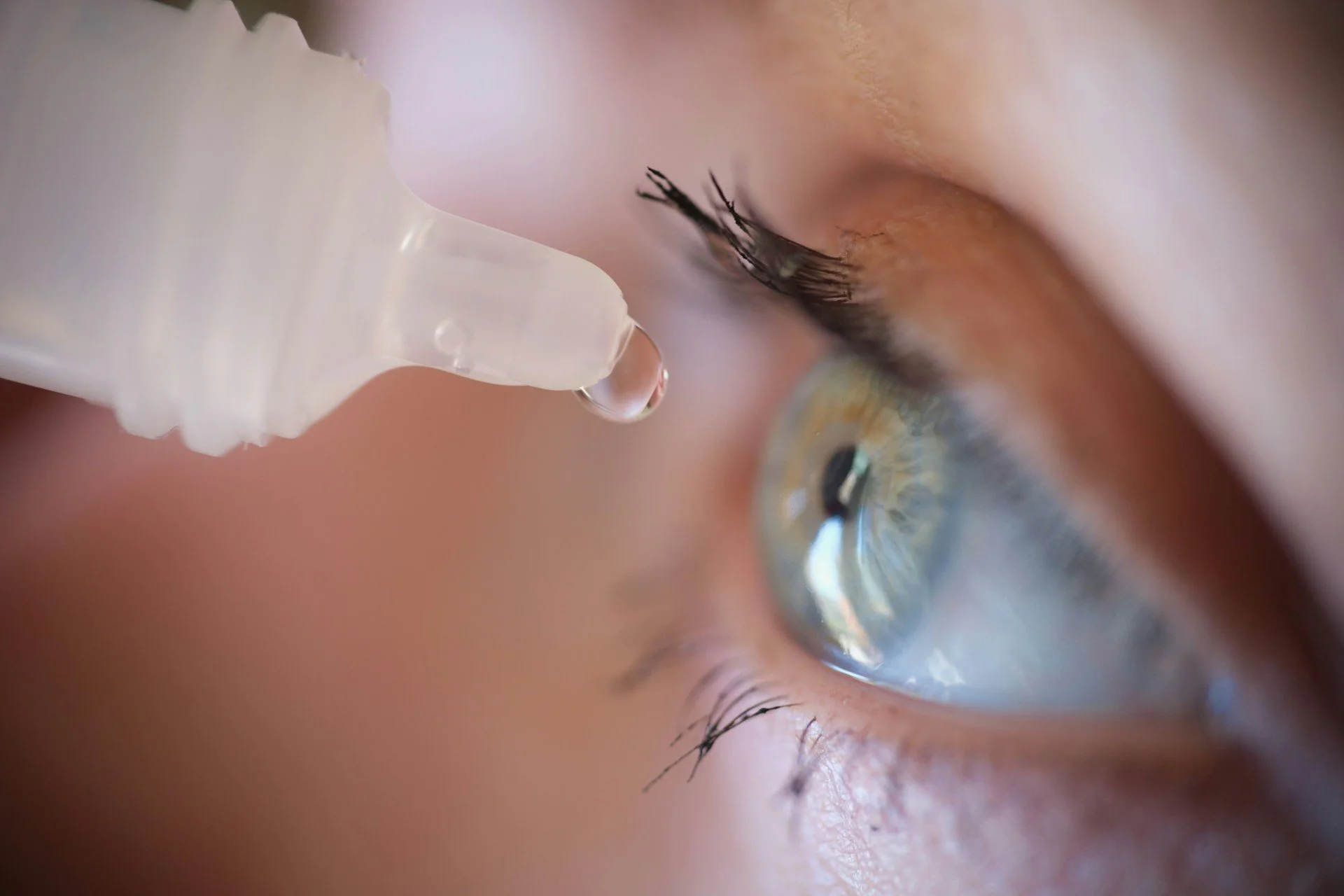
Posts in Ophthalmology
Allergy vs. Dry Eye in St. Cloud, FL: How to Tell the Difference

Spring and Summer Eye Relief Starts with the Right Diagnosis

Itchy, burning eyes can take the fun out of sunny days around St. Cloud. You might step outside for a walk by the lake or some yard work, and your eyes start to sting, water, and turn red. The big question is, are you dealing with allergies, dry eye, or both?

When eye allergies and dry eye get mixed up, people often grab the wrong drops or try home fixes that do not really match the problem. That can keep you uncomfortable for a long time. Understanding the difference helps you choose better care and protect your vision over time.

Allergy irritation and dry eye feel similar in many ways, but they come from very different causes. One is your immune system reacting to triggers in the air. The other is a problem with the tear film that coats and protects the eye. An experienced eye doctor in St. Cloud, FL, can sort through your symptoms, consider our Central Florida climate and pollen patterns, and guide you toward the right relief.

Allergy Eyes in St. Cloud, FL: What Is Really Going On

Eye allergies, often called allergic conjunctivitis, happen when your immune system overreacts to something harmless in the environment. In Central Florida, common triggers include oak, grass, and ragweed pollen, plus mold and pet dander. When these particles touch the surface of the eye, your body releases chemicals that cause swelling and irritation.

Typical allergy eye symptoms include:

  • Strong, almost irresistible itching  

  • Redness that may spread across the whole white of the eye  

  • Watery discharge that can drip or run down your cheeks  

  • Puffy eyelids, especially along the edges  

  • A burning or prickly feeling that gets worse when you rub

Patterns also offer big clues. Allergy symptoms often:

  • Flare in spring and early summer or during high pollen days  

  • Get worse after mowing the lawn, gardening, or spending time outside  

  • Come along with sneezing, a stuffy nose, or a runny nose  

  • Feel better in cool, filtered indoor air

People with eye allergies sometimes get quick relief from over-the-counter antihistamine drops, cool compresses, or simply staying inside with the AC and good air filters. But if symptoms keep coming back or get stronger, it is time for a closer look.

Dry Eye Basics: When Your Tears Are Not Enough

Dry eye disease happens when the eyes do not make enough tears, or the tears they make break up too fast. A healthy tear film has water, oil, and mucus layers that keep the eye smooth and clear. When any part of that mix is off, the surface dries out and becomes irritated.

Common dry eye symptoms include:

  • Burning, stinging, or a hot feeling in your eyes  

  • A gritty or sandy sensation, like something is stuck under your eyelids  

  • Fluctuating blurry vision that clears when you blink  

  • Sensitivity to light, especially bright sun or headlights  

  • Paradoxically, episodes of watery eyes from reflex tearing

In St. Cloud, certain everyday habits and settings can make dry eye worse:

  • Long hours on phones, tablets, or computers with few breaks  

  • Ceiling fans or vents blowing air toward your face  

  • Time in air-conditioned cars, offices, and stores  

  • Intense sunlight and heat that speed up tear evaporation

Unlike allergies, dry eye problems often feel fairly constant. Many people notice symptoms getting worse:

  • Late in the day  

  • While reading or doing close work  

  • During long drives  

  • After long stretches of screen use

Allergy vs. Dry Eye: How to Tell the Difference

Allergy eyes and dry eyes share redness, irritation, and watering, so no wonder they get confused. Looking closely at how your eyes feel and when they bother you can point you in the right direction.

Think about the main sensation:

  • Strong itch with a need to rub usually points to allergy  

  • Burning, heaviness, or a gritty feeling leans more toward dry eye

Look at when symptoms flare:

  • Worse outdoors, on breezy or high pollen days, or after yard work suggests allergy  

  • Worse indoors, with screens, AC, fans, or long drives suggests dry eye

Check what you see in the mirror:

  • Puffy eyelids, especially the upper lids, and stringy mucus can mean allergy  

  • General redness on the white of the eye and a dull, filmy look over the eye can match dry eye

One more twist: many people in our area actually have both. Allergies can inflame the eye surface, which then affects the tear film and leads to dry eye. Dry, irritated eyes can also react more strongly to allergens. Because of that overlap, an eye doctor in St. Cloud, FL, can be very helpful in sorting out which problem is playing the bigger role and how to address each one safely.

Treatments That Actually Work for Allergy and Dry Eye

The right treatment depends on the right diagnosis. What helps one condition might not help the other, and some drops that feel soothing at first can cause more irritation with long-term use.

For allergy-focused care, options may include:

  • Preservative-free artificial tears to gently rinse away allergens  

  • Cold compresses to calm swelling and reduce itching  

  • Prescription antihistamine and mast-cell stabilizer drops to control allergic reactions  

  • Practical pollen control, like keeping windows closed on high pollen days and showering after outdoor time

Dry eye treatment often targets both moisture and inflammation. Your eye doctor may talk with you about:

  • Lubricating drops and gels designed for frequent use  

  • Prescription medicines that help the eyes make more of their own tears  

  • Warm compresses and eyelid hygiene to support the oil glands in your lids  

  • In-office options, like tiny plugs placed in the tear ducts to help tears stay on the eye surface longer

Simple lifestyle changes can support both allergy and dry eye care:

  • Wearing UV-blocking sunglasses when outdoors  

  • Taking regular breaks from screens to blink fully and rest your eyes  

  • Drinking water through the day  

  • Using a humidifier indoors if the air feels very dry  

  • Avoiding fans blowing directly at your face

It can be tempting to try random over-the-counter drops until something seems to work. The problem is that some redness relievers or multi-purpose drops only hide the redness while the real issue continues. Others have preservatives that may sting or bother sensitive eyes, especially with frequent use. Personalized guidance from an eye doctor helps you avoid those traps and move more quickly toward comfort.

Protecting Your Vision and Comfort with Local Expert Care

Ongoing eye irritation is not just a small annoyance. Whether the root cause is allergy, dry eye, or both, it can affect reading, driving, work, and time outside with friends and family. Rubbing your eyes all day can also break tiny blood vessels, stretch delicate skin around the lids, and keep the surface of the eye inflamed.

In our St. Cloud community, we enjoy long days, bright sun, and plenty of outdoor events. It is hard to relax and enjoy those moments if your eyes are burning or watering. At Eye Florida, we provide routine, medical, surgical, and aesthetic eye services, including evaluation and care for allergy and dry eye problems. With careful testing and a clear plan, you can step into the next sunny day with more comfort and confidence.

Protect Your Vision With Trusted Local Eye Care

If you are ready to take control of your eye health, our team at Eye Florida is here to help with personalized care and advanced solutions. Schedule a visit with our experienced eye doctor in St. Cloud, FL to find the right lenses, treatments, and eye care products for your needs. If you have questions or want to book an appointment, simply contact us and we will walk you through the next steps.

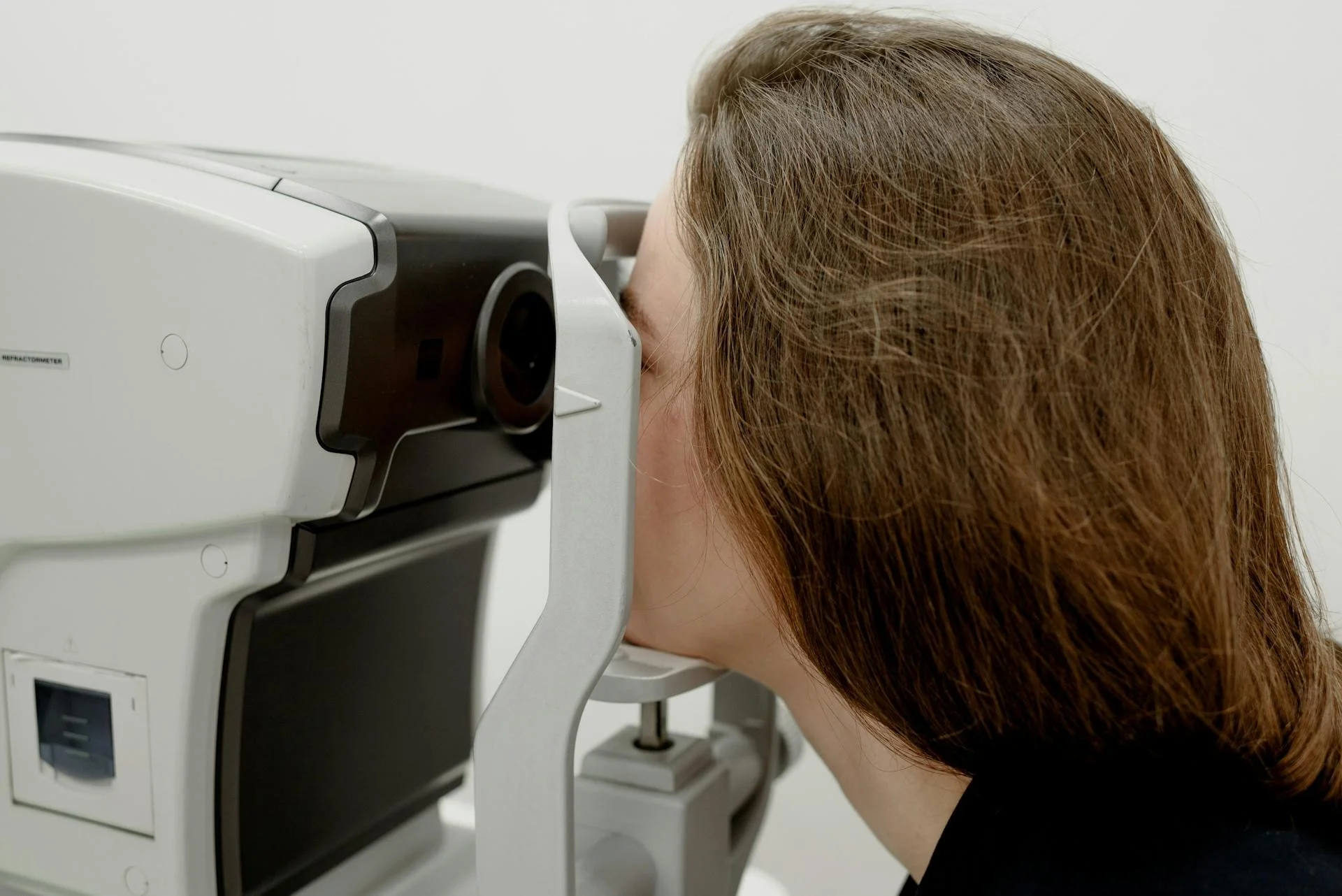
Question-Based Eye Exams Orlando FL: What Locals Should Know

See Clearly This Summer with Smarter Eye Exams

Good eye exams do more than tell you a new glasses number. They help protect your sight, catch eye disease early, and match your vision to the way you actually live each day.

As late spring rolls into summer in Central Florida, kids are out of school; there is more time outside, more UV exposure, and usually a lot more screen time too. It is a perfect time to check in on your family’s vision before vacations, sports, and back-to-school sneak up. A question-based eye exam is a visit where your eye doctor and team guide you through simple but focused questions about your vision, health, and lifestyle, then use those answers to shape your testing and care.

In this guide, we will walk through what that kind of eye exam looks like, how to prepare, which questions matter most, and how it all connects to long-term eye health for people in Orlando, St. Cloud, Kissimmee, Lake Nona, and nearby communities.

What a Question-Based Eye Exam Really Looks Like

A quick vision check at a store mainly measures how well you see letters across the room. A full, question-based medical eye exam with an ophthalmologist is different. It looks at eye health from front to back and connects what you see to your overall health.

Here is how a visit usually flows:

  • Check-in and paperwork  

  • Medical and vision history questions  

  • Lifestyle and work questions  

  • Testing and imaging  

  • Review of findings and plan

At check-in, you share basic details, insurance information, and any current concerns. Then a team member asks about your:

  • Past eye problems or surgeries  

  • Glasses and contact lens history  

  • Medical conditions like diabetes or high blood pressure  

  • Medications and allergies

Next come questions about how you use your eyes every day. This part is key in a question-based exam. You might be asked about:

  • Hours on phones, tablets, or computers  

  • Driving at night or on I-4 often  

  • Time outside in bright sun  

  • Hobbies like fishing, golf, gaming, reading, or crafting  

  • Contact lens wear, including swimming or sports

The answers guide what happens next. For example:

  • If you have diabetes, you may need special imaging to look at the retina.  

  • If glaucoma runs in your family, the doctor may order extra pressure tests and scans.  

  • If you have heavy screen use, your exam may focus more on eye strain and dry eye.

Many full exams include dilation so the ophthalmologist can look at the back of the eye. This can help find early signs of conditions that affect sight. At the end, you review the findings together, talk through any issues, and leave with a clear plan, such as updated glasses, eye drops, follow-up testing, or a schedule for your next exam.

Smart Questions to Ask About Eye Exams in Orlando, FL

Before you book an eye exam in Orlando, FL, or nearby, it helps to ask a few smart questions. This makes sure you are getting the level of care you need.

Good questions include:

  • Who will perform my eye exam, an optometrist or an ophthalmologist?  

  • What kind of testing and imaging is usually part of a full exam?  

  • If something medical or surgical is found, can that be managed at the same clinic?  

For Central Florida families, it is also helpful to ask:

  • How often should children, adults, and seniors in this area be seen?  

  • Are there options for same-day or urgent visits for red eyes, sudden vision changes, or eye injuries?  

  • Can you help during heavy allergy periods or after storms when eye irritation may be worse?

You can also ask about practical details, such as:

  • Do you take my insurance plan?  

  • Can I use HSA or FSA funds for exam fees or glasses and contacts?  

  • Can your office share notes with my primary care doctor or specialists who manage conditions like diabetes or high blood pressure?

These questions help you find care that fits both your health needs and your daily life in Orlando, St. Cloud, or surrounding areas.

Local Factors Orlando and St. Cloud Eyes Have to Face

Living in Central Florida is great for sunshine, but all that light and heat can be tough on eyes. A thoughtful eye exam should factor that in.

Some common local issues include:

  • Strong UV exposure that can speed up cataracts or cause growths on the eye surface  

  • Dry eye from constant AC in homes, offices, and cars  

  • Irritation from pool chemicals, lake water, and more frequent swimming  

  • Red, itchy, watery eyes during high-pollen times

Late spring and early summer often bring allergy flare-ups, more sports leagues, and more contact lens wear. Kids and teens may sleep less, use screens more, and be in and out of pools, which can raise the risk of eye infections, especially if contacts stay in too long.

A question-based approach means your eye team asks about:

  • How many hours you spend outside most days  

  • Whether you wear sunglasses and if they block UV  

  • Your work setting, like hot outdoor jobs or dry office air  

  • Swimming habits, exercise routines, and contact lens use  

  • How many hours you and your kids spend on screens

From there, you might get tailored advice such as stronger UV protection, specific types of sunglasses, artificial tears, different contact lenses, or counsel on when to take screen breaks. The goal is to fit eye care to Orlando and St. Cloud life, not some generic checklist.

How Question-Based Care Personalizes Every Visit

When we listen closely to your answers, your care becomes much more personal and practical. The same exam will not look identical for a child who does online learning, a daily commuter on crowded roads, and a retiree enjoying more time outside.

For example, your plan might shift based on whether you are:

  • A student focusing on reading comfort and screen strain  

  • A driver worried about glare, halos, or night vision  

  • Someone with diabetes who needs careful retina checks  

  • A person thinking about cataract surgery in the future  

  • Someone who cares about eyelid appearance or bothersome dry, tired eyes

From your questions and concerns, we connect you with the right types of care, such as routine eye exams, medical eye care for conditions like diabetes or glaucoma, cataract evaluation and surgery planning, or support for dry, irritated eyes.

Many people feel nervous sharing symptoms like light sensitivity, floaters, flashes of light, or trouble with night driving. Some are shy bringing up cosmetic worries, like heavy lids or dark circles. In a question-based visit, we ask about these topics directly so you do not have to guess what matters. Honest answers can help catch problems while they are still easier to manage and before they cause lasting vision loss.

Take the First Step Toward Clearer Vision in Central Florida

Early summer is a smart time to get the whole family in for eye exams in Orlando, FL and nearby cities. Fresh prescriptions, healthy eyes, and a clear plan make vacations, pool days, and back-to-school prep much smoother.

A simple way to prepare for a question-based visit is to bring:

  • Your current glasses and contact lenses  

  • A list of medications and eye drops you use  

  • Any past eye records you may have  

  • A note with your family eye history, such as glaucoma or macular issues  

  • Written questions, symptoms, or changes you have noticed since your last exam  

By planning ahead and being open with your answers, you help your eye doctor see the full picture of your life in Central Florida. That is how a question-based eye exam turns into a long-term plan to protect your sight, season after season.

Protect Your Vision With Expert Eye Care Today

Your eyes deserve attentive, personalized care, and we are here to make that easy and convenient. Schedule your comprehensive exam and learn how our eye exams in Orlando, FL can help you see more clearly and comfortably every day. If you have questions or need help booking an appointment, simply contact us and a member of the Eye Florida team will be happy to assist.

How to Recognize When Eye Care Is an Emergency

When Sudden Eye Symptoms Need Fast Action

When something changes in your eyes, it can feel scary fast. Vision is how we work, drive, care for family, and enjoy life, so knowing when a problem is an emergency really matters. Getting the right help quickly can protect sight, ease pain, and lower the chance of long-term damage.

Not every red, itchy, or tired eye needs a trip to the ER. But some symptoms should never wait to be checked. Here in St. Cloud, with the bright Florida sun, long days on the water, yard work, sports, and plenty of pollen in the air, our eyes face extra stress almost all year.

In this guide, we will walk through the warning signs that mean you should treat St. Cloud eye care as an emergency visit, the kinds of injuries that should be checked right away, and how to decide where to go for help.

Red Flag Eye Symptoms You Should Never Ignore

Some eye changes are so serious that waiting even a day can make things worse. These are signs to take very seriously.

Sudden vision loss or big changes should always be treated as urgent. This may look like:

  • Partial or complete loss of sight in one or both eyes  

  • Sudden blurry or hazy vision  

  • A dark “curtain” or shadow sliding over part of your view  

These changes can be linked with problems in the retina, bleeding in the eye, or even stroke and other serious health issues. Do not wait to “see if it clears up.” Same-day care is important.

Severe pain, redness, or strong light sensitivity are also red flags. This is different from mild burning or dry eye. Emergency-type pain often feels sharp, throbbing, or like strong pressure. You might notice:

  • Rapidly worsening redness  

  • Trouble opening the eye because of pain  

  • Bright light making you want to shut your eyes right away  

Over-the-counter drops are not a fix for symptoms like these and can sometimes make things harder to diagnose.

Sudden flashes, floaters, or double vision can be a sign that something is wrong inside the eye or with the nerves that control vision. Watch for:

  • A sudden shower of new floaters that look like spots, cobwebs, or squiggly lines  

  • Brief bursts of light, like tiny lightning streaks, especially in the side vision  

  • Double vision or trouble focusing even when you are not tired  

If any of these show up out of nowhere, seek urgent eye care or emergency help.

Injuries and Accidents That Require Immediate Eye Care

Everyday life in Central Florida brings risk to our eyes, from yard work on the weekend to time at the lake or pool. Some eye injuries should always be treated as emergencies.

Foreign objects and trauma at home or on the job can be very serious, especially with tools. Risky situations include:

  • Yard work, like weed trimming or mowing  

  • Sand or debris blowing on a windy day  

  • Home projects with hammering, drilling, or grinding  

If metal, glass, wood, or any object is stuck in the eye, do not rub, squeeze, or try to pull it out. Cover the eye lightly if you can and go for urgent care.

Chemical splashes are also an emergency. Common culprits include pool chemicals, cleaning sprays, bleach, fertilizer, pesticides, and car fluids. If this happens:

  • Start flushing the eye right away with clean water or saline  

  • Keep rinsing for at least 15 minutes if possible  

  • Then seek emergency care, even if things feel better  

Some chemical burns can keep harming the eye quietly, even when pain seems to ease.

A blow to the eye or face, like getting hit with a ball, elbow, or falling, can cause damage you cannot see on the surface. Warning signs after a hit include:

  • A “black eye” with blurry or double vision  

  • Blood pooling inside the front of the eye  

  • Severe swelling, nausea, or headache after the impact  

Any strong hit around the eye should be checked, especially in children or older adults who may not describe symptoms clearly.

When Pink Eye and Infections Are More Serious Than They Look

Pink, goopy eyes are common and often linked with mild conjunctivitis, also called pink eye. Many cases are uncomfortable but not an emergency. Typical mild conjunctivitis may involve:

  • Mild to moderate redness  

  • Itching or burning  

  • Some watery or sticky discharge  

But some infections are much more aggressive and can threaten vision, especially if they affect the cornea. This is a special concern for contact lens wearers, who are more likely to have serious infections.

Infection warning signs that should not wait include:

  • Thick green or yellow discharge  

  • Eyelids stuck shut in the morning  

  • Swelling around the eye or eyelids  

  • Fever or feeling sick at the same time  

  • White or gray spots on the clear front part of the eye  

  • Trouble keeping the eye open or worsening vision  

Avoid reusing old contacts or makeup, and do not rely on leftover prescription drops. Eye infections need fresh evaluation.

Children and older adults deserve extra attention. Kids might not explain pain well but may rub their eyes a lot, refuse bright light, or become fussier than usual. Older adults may already have eye problems or other health issues that hide symptoms. For both groups, early care helps protect vision and day-to-day independence.

How to Decide Between Urgent Care, ER, and Your Eye Doctor

When something is wrong with your eyes, it can be hard to know where to go first. A few simple guidelines can help.

Calling your eye doctor is often the best first step for:

  • New floaters without a clear loss of vision  

  • Mild infections with light discharge  

  • Worsening dry eye or irritation  

  • Ongoing discomfort that is not sudden or severe  

Eye clinics are set up with special tools to look closely at the front and back of the eye. Many practices in the St. Cloud eye care community leave room in the schedule for urgent visits.

Urgent care or the ER is a better option when:

  • There is serious trauma to the eye or face  

  • You have a chemical splash or burn  

  • There is sudden complete or near-complete vision loss  

  • Pain is very strong and your eye doctor is not available  

  • Vision changes come with slurred speech, weakness, or a severe headache  

If you can, call ahead to ask if the facility can connect with an eye specialist.

When you go for emergency eye care, bring a list of your:

  • Current medications and eye drops  

  • Allergies  

  • Past eye surgeries or conditions  

Also try to note when symptoms started, what you were doing, and anything you tried at home. These details give the doctor a head start.

Protecting Your Vision Year-Round with Local Expert Care

Living in St. Cloud means a lot of bright, sunny days on the water, at the park, or in the yard. All of that is great, but it can be tough on your eyes. To lower risk:

  • Wear sunglasses that block UV light during boating, fishing, or outdoor sports  

  • Use safety glasses or goggles for yard work and home projects  

  • Take screen breaks to rest your eyes  

  • Manage allergies and dry eye so you are less tempted to rub your eyes  

Regular eye exams are just as important. Many serious problems, like glaucoma, diabetic eye disease, and some retinal issues, start quietly with no pain at all. With routine checks, eye doctors can catch changes early, when treatment is usually easier and outcomes are often better.

Different ages and medical histories call for different exam schedules, and people who already have eye disease may need more frequent visits. Keeping up with follow-up care helps prevent small changes from turning into emergencies later.

Protect Your Vision With Expert Local Eye Care

If you are ready to take the next step toward healthier eyes, our team at Eye Florida is here to help. Explore our comprehensive St. Cloud eye care options to find the right solutions for your vision needs. We will guide you through every choice so you feel confident about your eye health. Have questions or want to schedule an appointment? Simply contact us and we will follow up promptly.