

Posts in Ophthalmology
Vision-Safe Outdoor Fun in St. Cloud with Routine Eye Exams

See More of Summer Safely in St. Cloud

Clear, comfortable vision makes every summer day in St. Cloud more fun. When our eyes feel good, it is easier to enjoy the bright water at East Lake Tohopekaliga, a picnic at Lakefront Park, or a late evening walk along the shoreline.

Summer means kids out of school, more time at the lake, and long afternoons at ballfields and playgrounds. It also means stronger sun and more UV exposure than many people realize, even when clouds roll in. Keeping up with a routine eye exam in Florida is one simple way to protect your vision and stay ready for all that outdoor fun.

Regular eye exams help keep your sight clear, your eyes comfortable, and your family safer during outdoor activities, from boating and fishing to cheering at Little League games. A trusted local eye care team can check for early changes, give personal tips, and support your eyes through every sunny season.

Hidden Summer Risks to Your Eyes in Central Florida

Our Florida sun is beautiful, but it can be tough on the eyes. In late summer, the UV index is often very high during the late morning and afternoon. Over time, that extra UV can lead to problems inside the eye, and it can also affect the eye’s surface.

Prolonged UV exposure may contribute to things like cataracts and changes in the retina. It can also lead to growths on the white part of the eye, sometimes called surfer’s eye, that feel gritty and look red. These changes usually happen slowly, so many people do not notice until their vision or comfort starts to slip.

Local summer life can also be hard on the surface of the eyes. Common irritants include:

  • Lake water and pool chemicals  

  • Sand blowing around at the beach or park  

  • Sweat and sunscreen dripping into the eyes  

  • Pollen and other outdoor allergens  

Any of these can leave eyes red, watery, or burning. If germs get involved, they can sometimes cause infections, especially when eyes are rubbed with unwashed hands.

There is also the flip side of summer: screen time. On hot afternoons, many families stay indoors with TVs, tablets, and phones. Long periods of close-up work can strain the eyes and lead to blurry vision or headaches. When you then step into very bright sunlight, it can feel even harsher and more uncomfortable.

How a Routine Eye Exam in Florida Protects Summer Vision

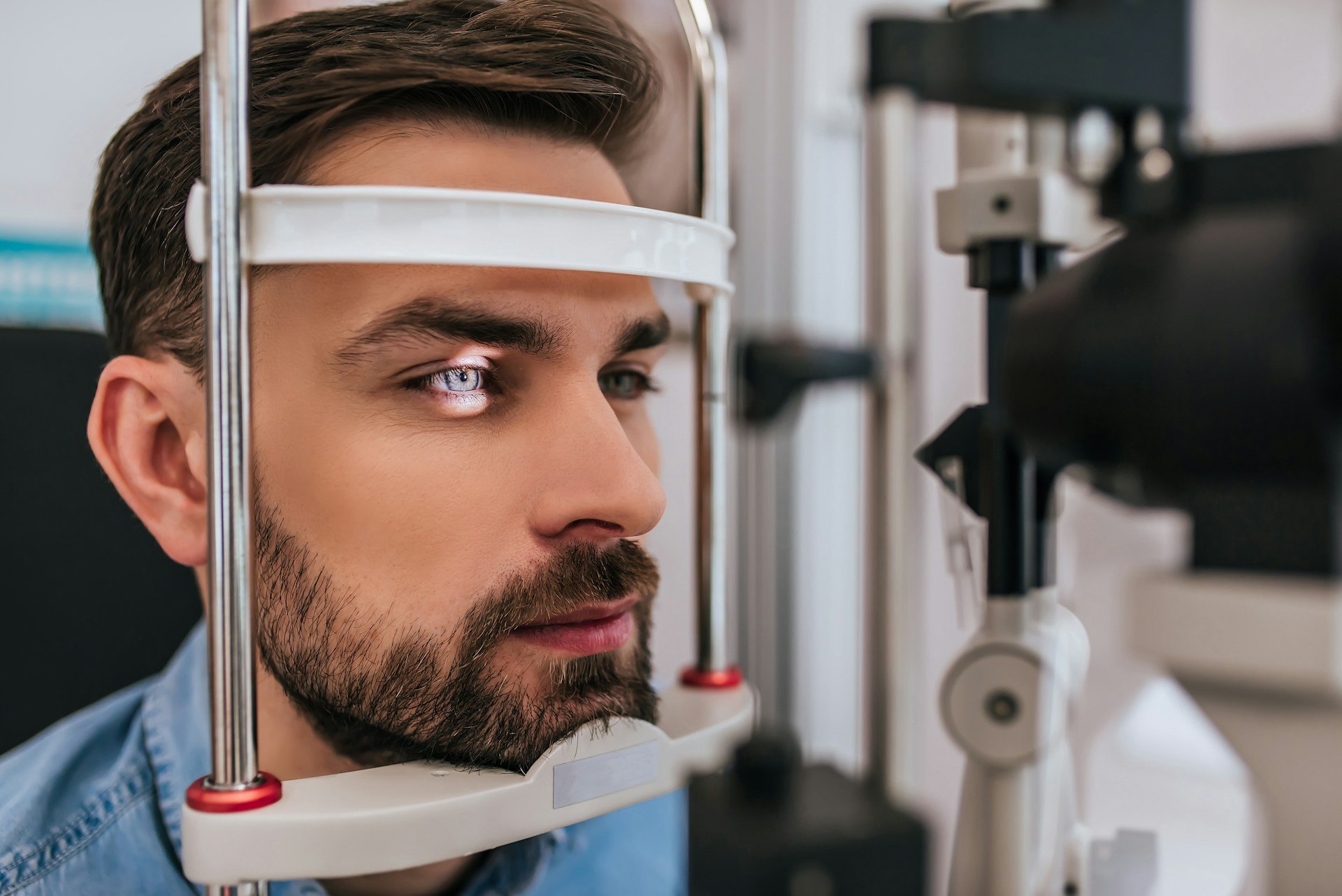
A routine eye exam in Florida is about much more than reading letters on a chart. In a modern eye care practice, a comprehensive exam usually includes:

  • Checking how clearly each eye sees at different distances  

  • Measuring eye pressure to screen for problems like glaucoma  

  • Examining the front of the eye for dryness, irritation, or growths  

  • Looking at the retina and optic nerve at the back of the eye  

For people who spend a lot of time in the sun, we also pay close attention to signs of UV-related changes. We look for early cataracts, small spots or growths on the surface, and areas that may be more prone to dryness or irritation. When we find things early, we can often make simple changes to help protect your sight and comfort.

Regular exams can uncover issues that might be holding you or your child back outdoors. Some examples include:

  • A small prescription change that makes it easier to see the ball, scoreboard, or boat markers  

  • Early UV damage that calls for better sun protection  

  • Dry eye that flares in wind, on the water, or after pool time  

  • Kids who are having trouble tracking a ball or reading signs at a distance  

Florida’s strong sun is here all year, not just in summer. That means our eyes get more total exposure over time. Sticking with an annual exam schedule, or the timing your eye doctor recommends, helps protect your long-term vision and keeps your eyes ready for the active outdoor lifestyle many of us enjoy in Central Florida.

Smart Sun Safety for Eyes at St. Cloud Hotspots

Good sun habits do not have to be complicated. Small choices can make a big difference when you are at your favorite St. Cloud spots.

On East Lake Toho, the water acts like a big mirror that bounces light back into your eyes. When boating, fishing, or just relaxing on the pier, try to:

  • Wear a wide-brimmed hat to shade your face and eyes  

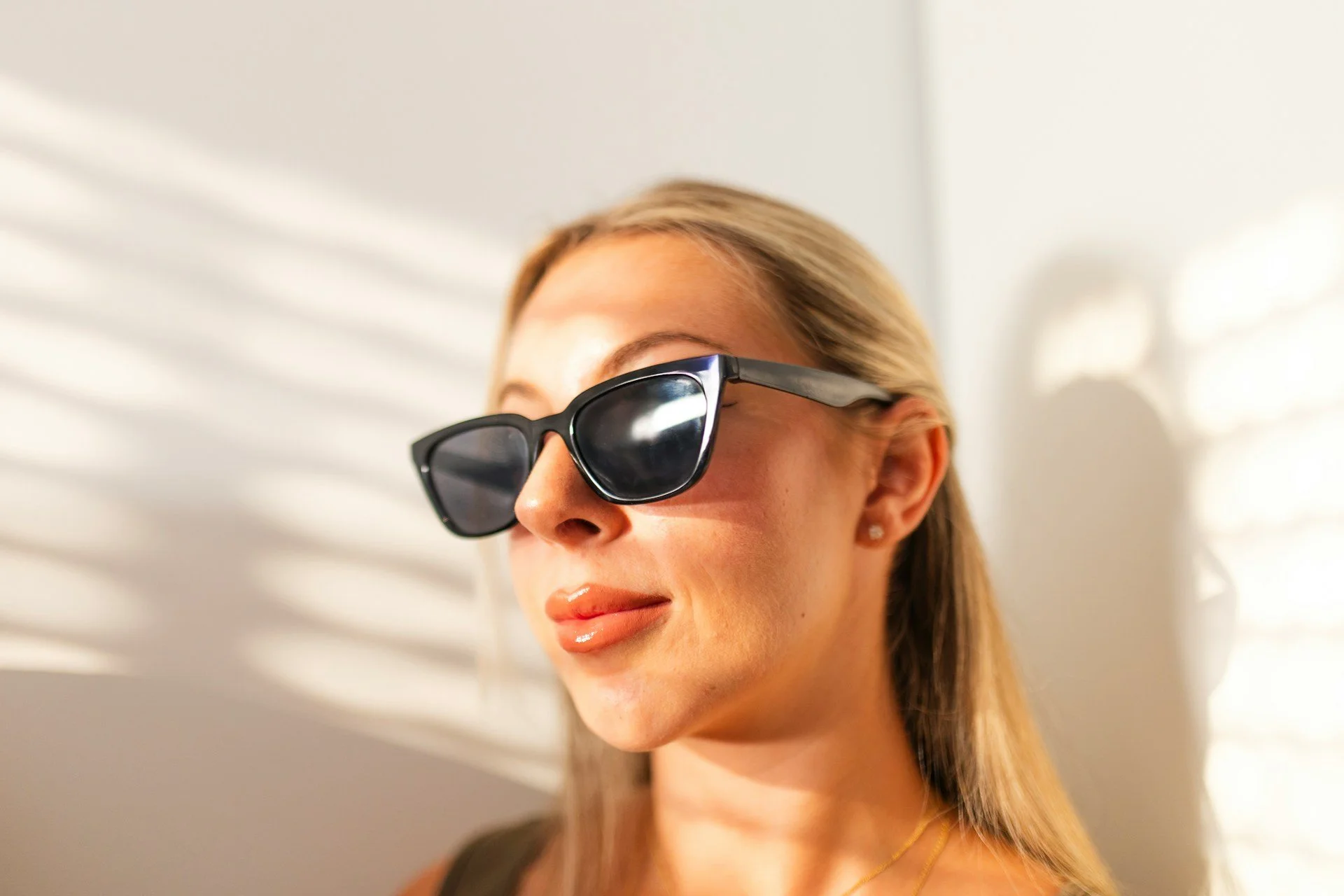
  • Choose polarized sunglasses to reduce glare off the water and pavement  

  • Look for lenses that block 100% of UVA and UVB rays  

  • Pick frames large enough to cover the skin around the eyes  

At St. Cloud Lakefront Park, wraparound sunglasses can help block wind, dust, and stray sand, especially on breezy days. This can keep eyes from feeling dry and irritated later.

For kids, eye safety should be as normal as sunscreen. Simple habits help, like:

  • Letting them pick fun “sport” sunglasses they like to wear  

  • Using sunglasses that are impact-resistant for playgrounds and ballfields  

  • Keeping artificial tears on hand for post-pool dryness, if your eye doctor recommends them  

  • Reminding them not to rub their eyes after sand play, sunscreen application, or lake time  

If eyes do get irritated, it is usually better to gently rinse them and then ask a professional for guidance, instead of trying home fixes that might make things worse.

Back-to-School Eye Checkups for Active Kids

Late July is when many families in Osceola County start thinking about back-to-school lists. One of the most helpful “supplies” a child can have is clear, comfortable vision. It supports reading, computer work, and after-school sports.

Some signs that a child may need an eye exam before school starts include:

  • Squinting at the TV or classroom-style screens  

  • Sitting very close to devices or holding books near the face  

  • Frequent headaches, especially after reading or screen time  

  • Avoiding outdoor ball games or having trouble catching and throwing  

  • Losing track of the ball in bright sunlight  

Pediatric eye exams can check for nearsightedness, focusing problems, and how well the eyes work together as a team. When we catch these issues early, we can recommend solutions that help kids see the board, follow the ball, and feel more confident in the classroom and on the field.

For kids who play sports, protective eyewear and the right prescription can also help prevent injuries and support better performance. A clear view makes it easier to judge distance, react quickly, and enjoy the game.

Keep Your Eyes Summer-Ready with Local Expert Care

Healthy eyes help you enjoy every season in St. Cloud, from sunrise fishing trips on East Lake Toho to evening walks by the water. Building a simple eye-safety routine into your day can keep your vision more comfortable, even during the brightest months.

Think of it like a summer checklist: sunscreen, water bottle, sunglasses, and hat. Adding regular eye exams to that list supports your eyes through long days of sun, screen time, and outdoor fun. A local eye care team that understands Central Florida life can tailor your exam and guidance to your habits, whether you spend weekends on the lake, coaching youth sports, or relaxing at the park with family.

At Eye Florida, we provide medical, surgical, and routine vision care, along with aesthetic services, for people in and around St. Cloud. We are here to help keep your vision clear and comfortable, so you can keep enjoying the outdoor activities you love, all year long.

Protect Your Vision With Expert Eye Care Today

Scheduling an eye exam in Florida with Eye Florida is a simple step that can make a lasting difference in your vision and overall health. We take the time to understand your needs and recommend solutions that fit your lifestyle. If you have questions or are ready to book your appointment, just contact us and our team will help you get started.
Everyday Eye Habits That St. Cloud Residents Overlook in the Florida Sun

Everyday Eye Habits St. Cloud Residents Overlook in Florida Sun

Strong Florida sun is part of daily life in St. Cloud, from walking around East Lake Toho to quick trips through parking lots that feel like ovens. Our eyes work hard in this bright light, even when we are just running errands or sitting by a window.

Many people worry about eye problems only when something hurts or vision suddenly changes. But most eye damage builds slowly over time from small habits we barely notice. In our warm, sunny climate, those habits add up even faster. In this article, we will walk through common everyday choices that quietly put eyes at risk and share simple, realistic changes that fit a Central Florida lifestyle.

Small Everyday Habits That Put St. Cloud Eyes at Risk

Think about a hot July afternoon in St. Cloud. The sky is bright, the lake is shining, kids are splashing, and people are moving from car to store to field. The light bounces off water, pavement, and cars. Your eyes are working hard, even if you do not feel it in the moment.

Many residents are used to the heat and humidity and learn to live with squinting, headaches, or tired eyes. It can feel normal. But long-term sun, glare, and heavy screen time can slowly affect:

  • How clearly you see  

  • How comfortable your eyes feel each day  

  • The skin around your eyes  

Serious eye problems rarely appear overnight. They usually grow from the same small habits repeated over months and years. The good news is that small changes can protect your eyes in powerful ways. Local eye care teams in St. Cloud see these patterns every day and know what tends to cause trouble in our area.

Sunglasses Mistakes That Quietly Damage Your Vision

Many people use sunglasses for the beach, the boat, or a long day at the theme parks, then skip them at other times. But UV exposure does not care if you are at the coast or just driving along Highway 192 to the grocery store. Every quick walk to the mailbox, every dog walk, every kids’ game at the park adds to the total dose of sun your eyes receive.

A few common mistakes we see often:

  • Wearing sunglasses only for “big sun days,” not daily errands  

  • Choosing glasses based only on how dark they look  

  • Letting kids go without sunglasses most of the time  

Lens quality matters more than how dark the tint is. For better protection in Central Florida sun, it helps to choose:

  • Lenses that block 100% of UVA and UVB (often labeled UV400)  

  • Wraparound or larger frames to block side glare  

  • Polarized lenses for driving on bright roads or near water  

Another habit that quietly shortens the life of sunglasses is leaving them in a hot car all day. Heat can warp lenses and damage coatings, making protection less reliable. Heavily scratched lenses can also cause more eye strain. Fashion-only sunglasses that do not block UV can even be misleading, because your pupils open wider behind dark lenses while the UV still gets in.

Sunscreen, Hats, and the Forgotten Skin Around Your Eyes

Most people are pretty good about sunscreen on shoulders, arms, and nose. The thin skin on the eyelids and under the eyes often gets skipped, though it is right in the line of the sun. Over time, that area can show early wrinkles and is also at risk for sun-related skin changes.

Safe habits around the eyes can include:

  • Using mineral sunscreens made for face or sensitive skin  

  • Gently patting a small amount around, not into, the eyes  

  • Picking wide-brimmed hats that actually shade the eyes, not just the scalp  

Spray sunscreens can be handy at the splash pad or pool, but spraying directly on the face can sting and irritate eyes. Spraying into hands, then applying around the eyes, is usually safer.

Regular eye exams do more than check glasses prescriptions. A full exam lets us look at the eyelids, the white of the eye, and the surface where sun damage can show early. In St. Cloud, with so much time near water and bright pavement, we often watch for signs of growths on the eye surface and other changes that most people cannot see in a mirror.

Screen Time, AC, and Dry Eyes in Central Florida Heat

Many of us move from one air-conditioned space to another all day long. AC is a relief from the heat, but it also dries the air inside homes, cars, and offices. Dry air can make tears evaporate faster, which can lead to dry, burning, or watery eyes.

Add long hours on phones, tablets, and computers, and the problem grows. Common daily habits include:

  • Staring at GPS on phones while driving  

  • Binge-watching TV after a long day outside  

  • Working from home with no real screen breaks  

When we stare at screens, we blink less, and the tear film that protects the eye surface becomes unstable. Over time, this can lead to feelings of sandiness, burning, or even watery eyes that many people blame on “Florida allergies.”

Simple changes can help, such as:

  • Using the 20-20-20 rule: every 20 minutes, look at something 20 feet away for 20 seconds  

  • Pointing AC vents away from your face, in the car and indoors  

  • Asking about preservative-free artificial tears during seasons when your eyes feel most irritated  

During a St. Cloud eye care visit, it is helpful to mention any regular burning, stinging, or blurry vision that clears after blinking. These symptoms are important clues for dry eye, not just something you have to live with.

Contact Lenses, Pools, and Lake Days Gone Wrong

Long, sunny days at pools, lakes, and water parks are a big part of Central Florida life. But they can be rough on contact lens wearers. Fresh water, pool water, and even tap water can carry germs, including bacteria and tiny amoebas that do not belong in your eyes.

Risky habits many contact lens wearers fall into include:

  • Swimming with contacts in pools, lakes, or rivers  

  • Rinsing lenses or cases with tap water  

  • “Topping off” old solution instead of using fresh each time  

  • Sleeping in lenses after a long, tiring day on the water  

These habits make infections more likely. Some eye infections can be serious and may leave lasting damage. Safer routines for Florida water activities often include:

  • Removing contact lenses before swimming or showering  

  • Using daily disposable lenses during heavy pool or lake seasons  

  • Having prescription sunglasses for days on the boat or at the beach  

  • Reviewing cleaning routines with an eye care professional before peak swim time  

Small changes in how and when you wear lenses can make a big difference in eye safety, especially with how much time many St. Cloud residents spend near water.

Turn Better Eye Habits Into a St. Cloud Lifestyle

Protecting your eyes in our bright, sunny climate does not have to be complicated. It often comes down to a few everyday choices that become part of your normal routine:

  • Wearing truly UV-protective sunglasses whenever you are outside, not just at the beach  

  • Giving the skin around your eyes real shade and sunscreen, not skipping it  

  • Balancing screen time with breaks and small changes to AC use  

  • Treating contact lenses carefully, especially around pools, lakes, and water parks  

At Eye Florida in St. Cloud, we see how these simple habits can protect comfort and vision over time. When you treat your yearly eye exam like you would a regular dental cleaning, we can catch small changes early, talk through your daily routine in the Florida sun, and suggest eye care products and strategies that fit the way you actually live, work, and play.

Protect Your Vision With Personalized Eye Care Today

If you are ready to take the next step toward healthier eyes, our team at Eye Florida is here to help with comprehensive St. Cloud eye care tailored to your needs. We will walk you through the best options for your lifestyle, from everyday eye care products to specialized recommendations. Have questions or need to schedule an appointment? Simply contact us and we will help you get started.

Common Mistakes with Eye Exams in Florida’s Summer Heat

Don’t Let Florida’s Summer Heat Sabotage Your Eye Exam

Strong sun, heavy air, and quick storms are everyday life in St. Cloud during July. You walk from blazing parking lots into chilly AC over and over. That fast switch can leave your eyes feeling dry, foggy, or overly sensitive to light, right when you need them to work their best.

Those same conditions can also affect how comfortable you feel during an eye exam in Florida and may even change how you perform on certain tests. Many people make small mistakes before, during, and after their appointment without realizing it. With a little planning that fits Florida life, you can get clearer results and keep your eyes feeling better all summer.

Arriving Dehydrated and Sun-Stressed

In Florida heat, your body loses fluid quickly through sweat, even when you do not feel soaked. Mild dehydration can leave your eyes feeling:

  • Dry or gritty  

  • Tired or heavy  

  • More sensitive to light  

  • Prone to blurry vision from time to time  

If you spend the hour before your visit in direct sun, your pupils stay smaller, you squint more, and your eyes work harder to control glare. Then you walk into a calm exam room, and we are trying to measure your natural vision while your eyes are still recovering from the bright light.

To show up with eyes that are ready to be tested:

  • Drink water regularly the morning of your appointment, not just one big bottle in the car  

  • Skip heavy outdoor exercise right before your visit  

  • Wear a wide-brimmed hat and UV-blocking sunglasses on the way  

  • Give yourself a few extra minutes in the waiting room so your eyes can relax after the sun  

These simple steps help your eyes feel more like they do on a normal day, which makes testing more accurate and more comfortable.

Wearing Contact Lenses and Eye Makeup at the Wrong Time

Hot, humid air outside and cool, dry AC inside can be hard on contact lenses. Lenses may dry out faster, shift slightly on the eye, or feel sticky. When that happens, any measurements we take while you are wearing them can be less dependable.

For many tests, we ask patients to remove their contacts anyway. If you have already worn them for hours in the heat, your corneas might be a little swollen or dry when the lenses come off. That can affect:

  • The way we measure your prescription  

  • The fit of your lenses  

  • How comfortable new lenses feel later  

Eye makeup adds another layer of trouble in Florida summer. Heavy waterproof mascara, thick eyeliner, and long wear products can:

  • Smear with sweat and humidity  

  • Flake into the tear film  

  • Block oil glands along the lids  

  • Move around when we place drops for dilation  

All of this can lead to irritation or make it harder to see tiny details during the exam.

To keep things simple and safe:

  • Wear glasses instead of contacts for several hours before your eye exam if you can  

  • Arrive with no eye makeup, or keep it very light and away from the waterline  

  • Bring your contact lenses, case, and solution with you so we can still check lens fit and comfort  

Your eyes will feel better, and we will get a clearer picture of your true vision needs.

Ignoring Sunglasses and Sun Protection After Dilation

Many eye exams in Florida include dilating drops. Dilation makes your pupils bigger for a few hours so we can see the back of your eye more clearly. While the drops are working, bright light can feel extra harsh, especially when it bounces off water, pavement, sand, or even shiny car hoods.

A common mistake is walking out of the office with no real sun protection, then stepping into noon sun or getting behind the wheel. Some people feel:

  • Strong glare and washed-out colors  

  • Trouble focusing up close  

  • Uncomfortable or unsafe while driving  

Good sunglasses are not just an accessory here; they are a tool.

  • Lenses that block 100 percent of UVA and UVB rays  

  • Polarized lenses if you are often around water or on bright roads  

  • Bigger frames or wrap styles that cover more of the eye area  

  • A hat with a brim for extra shade  

Planning also helps. Mid-morning or late afternoon exams can make the ride home easier during peak summer. If you know bright light really bothers you, consider arranging a ride. Even if your eye doctor offers disposable shields, bring your own comfortable sunglasses so you are ready for the Florida sun.

Overlooking Summer Allergies, Chlorine, and Screen Time

Florida does not really get a break from allergens. Pollen, dust, and mold can hang around and flare in different months. Add pool time, saltwater, and extra screen hours inside, and your eyes may feel off even before you reach the exam chair.

Allergies can cause:

  • Red, itchy, watery eyes  

  • Swollen lids  

  • A burning or sandy feeling  

  • Extra mucus or stringy discharge  

Chlorine and saltwater may leave your eyes dry and irritated. If you arrive right after swimming without sharing that detail, those symptoms might look like a different eye problem. On top of that, long screen sessions in AC can cut down your blink rate, which means more dryness and fatigue, especially by afternoon.

To help us understand what is really going on, try this:

  • Notice when your eyes feel worst, for example after the pool, during yard work, or late on workdays  

  • Pay attention to what makes them feel better or worse  

  • Share your allergy history, pool habits, and screen use patterns with your eye doctor  

At Eye Florida, this kind of real life information helps us make a plan that fits how you actually spend your days in St. Cloud, from outdoor chores to office hours to weekend swims.

Turn Your Next Summer Eye Exam Into a Vision Upgrade

Your daily environment in a Florida summer, with its strong sun, heavy humidity, and quick jumps between outside and AC, has a direct effect on how your eyes feel and how well they test. When you know that, you can turn a regular eye exam in Florida into a chance to check your vision under the best conditions possible.

Small changes add up. Stay hydrated, avoid intense sun right before your visit, skip heavy eye makeup, and use glasses instead of contacts for a while before testing when you can. Bring UV-blocking sunglasses for after dilation, be honest about allergies, pool time, and screen use, and do not be shy about mentioning anything that feels off.  

At Eye Florida in St. Cloud, we understand how Florida weather and lifestyle shape your eye health all year. With a little preparation and open conversation, your summer eye exam can be clearer, more comfortable, and a real step toward better vision every day.

Protect Your Vision With Expert, Personalized Care

Prioritize your eye health by scheduling an eye exam in Florida tailored to your unique needs. At Eye Florida, we use advanced diagnostics to help you see clearly and catch potential issues early. Our team is here to answer your questions and guide you to the right solutions for your lifestyle. If you are ready to take the next step, contact us to book your appointment today.