
Posts in Ophthalmology
Choosing a St. Cloud Eye Clinic for Long-Term Family Care

Building Lifelong Vision Care in St. Cloud

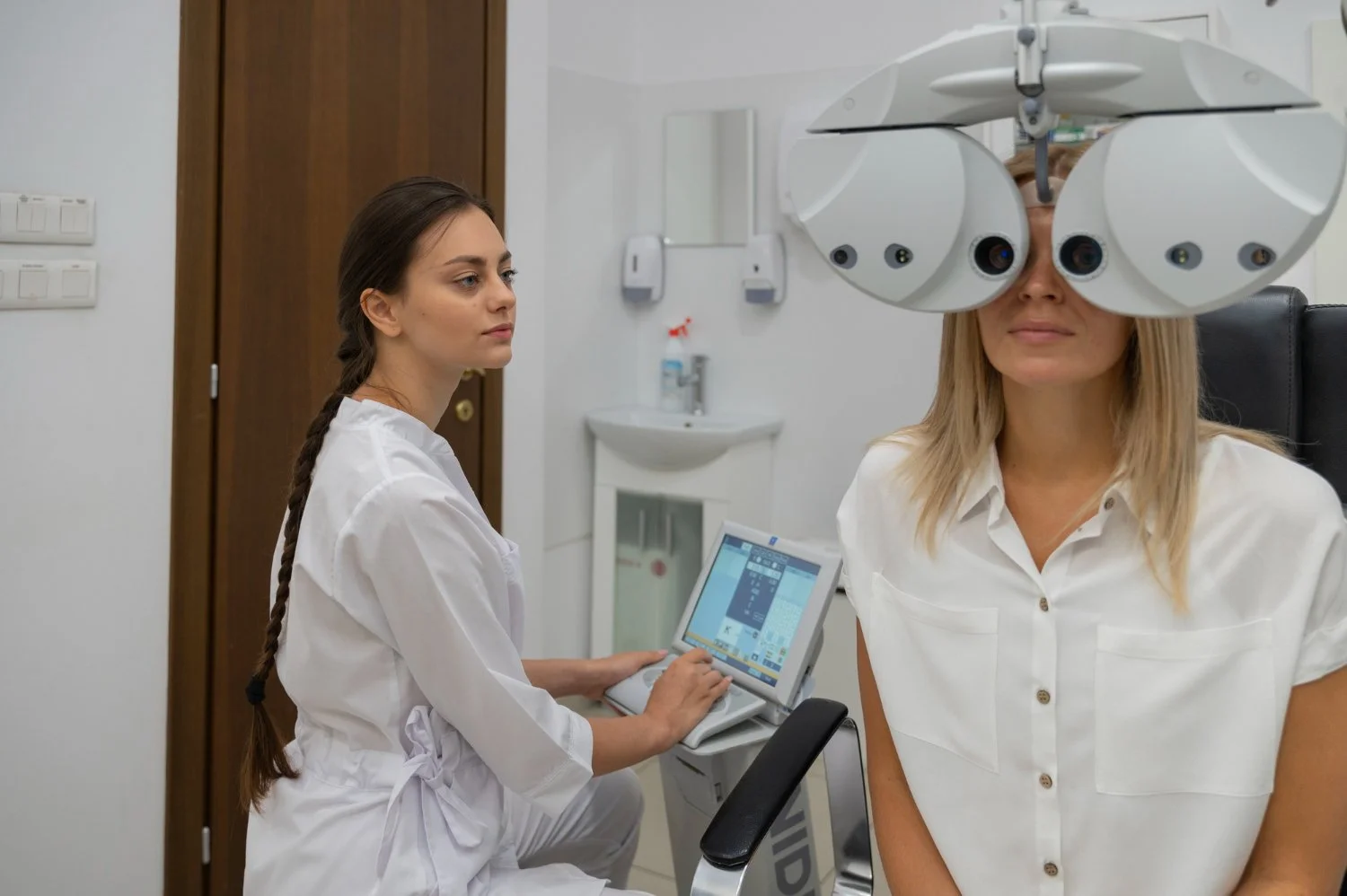
Choosing a St. Cloud eye clinic is more than picking a place for a quick glasses check. It is a long-term choice that can shape how your whole family sees and experiences life, from the first day of school to retirement and beyond. When you find a clinic that knows your history and your goals, eye care feels simpler and less stressful.

Long-term vision care means your child’s first exam, your busy work years, and your parents’ aging eyes are all cared for in one trusted place. You are not starting over with new doctors or repeating your story every time. As an ophthalmology and eye care clinic here in St. Cloud, we see how steady care over many years helps families stay ahead of small problems before they grow into bigger ones.

Why Long-Term Family Eye Care Matters

Our eyes change through every stage of life. Kids’ eyes are growing and learning to focus. Teens often struggle with screen time and sports demands. Adults start to notice strain, dryness, or early signs of eye disease. Older adults face new changes in vision that can affect driving, hobbies, and independence.

Having one St. Cloud eye clinic follow your family over time helps with things like:

  • Tracking prescriptions and vision changes year after year  

  • Spotting patterns that might point to inherited eye conditions  

  • Catching early signs of disease before they cause vision loss  

When one team knows your family’s full picture, they can watch for concerns like glaucoma or macular problems that may run in families. They can also build care plans around your health history, other medical conditions, and your daily life. This kind of steady, lifelong care often means fewer surprises and fewer emergencies, because eyes are checked on a regular schedule and changes are caught sooner.

What to Look for in a St. Cloud Eye Clinic

Choosing a long-term home for eye care is not only about location. It is about what happens once you walk through the door and how that care can grow with your family.

First, look for comprehensive services under one roof. A strong family clinic can help with:

  • Routine eye exams and prescriptions for glasses or contact lenses  

  • Medical eye care for things like infections, allergies, or injuries  

  • Ongoing management of eye diseases  

  • Referrals and care planning for surgical needs  

Access to both “everyday vision” services, like eyeglasses and contacts, and medical and surgical eye care helps your family avoid bouncing between multiple offices. Subspecialty support, like care for diabetes-related eye changes, cataract evaluation, dry eye treatment, and pediatric exams, can make life easier when different family members need different things.

Next, think about qualifications and technology. It helps to know that your care is led by trained eye doctors and an experienced clinical team. Modern testing tools, such as advanced imaging and digital photos of the back of the eye, can give a clearer view of eye health and help catch problems earlier. When a clinic offers testing on-site, it often means fewer extra appointments and faster answers about what is going on.

Finally, pay close attention to the patient experience. A clinic that feels like family will usually show it in simple ways:

  • Clear, down-to-earth explanations of diagnoses  

  • Time for questions, without feeling rushed  

  • A respectful attitude toward every age and background  

Family-friendly touches, like flexible scheduling, a kind front desk team, and a calm exam style with kids and seniors, can make each visit less stressful. When kids grow up feeling safe at the eye doctor, they are more likely to keep caring for their eyes as adults.

Matching Eye Clinic Services to Every Stage of Family Life

Vision care for kids and teens starts early. Regular exams can help catch issues like lazy eye, focusing problems, or nearsightedness that might affect reading, sports, or classroom learning. Around back-to-school time, many children spend extra hours on tablets, phones, and computers. This can lead to digital eye strain, headaches, and blurry vision if their eyes are working too hard.

Parents can ask a St. Cloud eye clinic questions such as:

  • Do you see many children and teens?  

  • How do you make testing comfortable for younger kids?  

  • What options do you offer if my child’s nearsightedness keeps getting worse?  

For busy adults, eye care often fits around work, caregiving, and daily tasks. Common needs include updated prescriptions, help with dry, irritated eyes, or support with allergies and contact lenses in Florida’s heat and humidity. A clinic that offers convenient hours, online forms, and efficient visits can make it easier to keep vision on the to-do list instead of always pushing it off.

Adults with health conditions like diabetes or high blood pressure benefit from regular eye checks. These conditions can affect the small blood vessels in the eyes before any symptoms appear. Having one clinic follow you over time means they can compare today’s exam with previous years and adjust your care as needed.

For aging eyes, long-term relationships become even more important. Many older adults face cataracts, glaucoma, or macular changes that slowly affect clarity, contrast, and depth perception. Early detection can help protect vision and support safe driving, reading, and daily tasks. When the same clinic guides you through surgical decisions, follow-up care, and options for low-vision support if needed, the process often feels less confusing. Compassionate, senior-focused care can make a big difference in helping older adults stay independent and confident.

How Eye Florida Serves Central Florida Families

Here in St. Cloud, we see how local life shapes eye needs. Bright Florida sunshine, long days by the pool or lake, sports fields, and seasonal pollen all play a role. Families need help with UV protection, frequent outdoor time, and eye comfort in humid weather. A clinic that understands this lifestyle can give advice that fits real life, like choosing the right sunglasses or handling irritation after long days outside.

Being close to neighborhoods, schools, and main roads also matters. Easy parking, a straightforward drive, and a location that works for both work and home can be the difference between keeping appointments and putting them off.

At Eye Florida, we provide a full range of services for Central Florida families, from comprehensive eye exams and medical eye care to cataract evaluation and surgery planning. We also offer aesthetic eye services, such as certain eyelid and cosmetic options, for adults who want to care for both eye health and appearance in one place. Having routine, medical, surgical, and aesthetic services in one St. Cloud eye clinic can simplify referrals and long-term planning, since your care stays connected under a single team.

Our focus is on relationships, not just prescriptions. We take time to explain what we see, what it means, and what choices you have. We build care plans that fit your season of life, whether you are planning back-to-school exams, managing long summer days outdoors, or helping a parent adjust to changing vision. By staying in touch with your family year after year, we can help you stay proactive, protect your sight, and enjoy clear vision through every stage of life in Central Florida.

Protect Your Vision With Personalized Eye Care Today

If you are ready to take the next step toward clearer, more comfortable vision, our team at Eye Florida is here to help. Explore the full range of frames, lenses, and other solutions available at our St. Cloud eye clinic to find options tailored to your needs. For questions or to schedule an appointment, simply contact us and we will guide you through every step of your eye care journey.
OphthalmologyEye Florida
Understanding GLP-1 and Semaglutide at St. Cloud Eye in Florida

Discover How GLP-1 Can Support Your Health Journey

GLP-1 is a natural hormone your body already makes. It helps control your blood sugar, your appetite, and your weight. When GLP-1 is working well, you tend to feel fuller after meals, have steadier energy, and snack less between activities.

Semaglutide is a prescription medicine that works like GLP-1 in your body. It was first used for people with type 2 diabetes, and doctors later saw that it can also support weight management and metabolic health in the right patients. For many people, this kind of help can make healthy habits easier to keep up.

Here in Central Florida, life often means year-round shorts, swimsuits, and outdoor fun. Many people want to feel lighter, more confident, and more energized for walks around the neighborhood, days at the lake, and busy school and work schedules. That is why our clinic in St. Cloud now offers medically supervised GLP-1 treatments, including Semaglutide, as part of a more complete focus on wellness, aesthetics, and eye care.

What GLP-1 Is and How It Works in Your Body

GLP-1 stands for glucagon-like peptide-1. It is a hormone released in your gut after you eat. Your body uses it to help manage:

  • How much insulin you make  

  • How your blood sugar rises and falls  

  • How hungry or full you feel  

When GLP-1 signals your brain and digestive system, several helpful things happen. It slows stomach emptying a bit, so food stays in your stomach longer. This can help you feel satisfied with smaller portions and reduce constant grazing. GLP-1 can also help lessen cravings, which supports steady, realistic weight loss over time.

GLP-1 medications were first created to help people with type 2 diabetes control blood sugar. Over time, doctors noticed that many patients on these medicines also lost weight. That led to special GLP-1 medicines, including Semaglutide, that are now used for chronic weight management in certain adults.

Better metabolic health is about more than a number on the scale. When blood sugar, weight, and inflammation are more balanced, it may support long-term wellness in many areas of the body. This can include heart health, energy levels, and even some aspects of eye health, since conditions like diabetes and high blood pressure can affect the eyes.

Understanding Semaglutide and GLP-1 Treatment Options

Semaglutide is a type of GLP-1 medication that acts like your body’s natural hormone. It attaches to GLP-1 receptors to help:

  • Improve how your body responds to insulin  

  • Support lower blood sugar in people with type 2 diabetes  

  • Reduce appetite and support weight management in eligible adults  

Most Semaglutide plans use a once-weekly injection. The dose usually starts very low. Over time, and only if you tolerate it well, the dose is slowly increased. This gentle approach helps your body adjust and can lower the chance of strong side effects. Many people start to notice changes in appetite within a few weeks, while weight changes often build slowly over several months.

People who may be candidates for GLP-1 or Semaglutide often include adults who:

  • Have obesity  

  • Have extra weight plus certain health risks, such as blood sugar concerns  

  • Are ready to pair treatment with nutrition, movement, and lifestyle support  

At our clinic, GLP-1 and Semaglutide are used in a medically supervised setting. That means our team reviews your medical history, current medications, and health goals before recommending anything. We want these tools to fit safely into your overall care, not work against it.

GLP-1 Care at St. Cloud Eye Florida

Your first visit for GLP-1 care is a full, in-office consultation. We talk through your health history, including any past issues with blood sugar, digestion, or hormones. We also ask about your goals: weight changes, more stable energy, better sleep, or feeling more confident in your own skin.

From there, we build a personalized care plan that may include:

  • A custom dosing schedule if GLP-1 therapy is right for you  

  • Regular follow-up visits or virtual check-ins  

  • Coordination with your primary care doctor or specialists when helpful  

Because we offer aesthetics as well as medical eye care, we think about how you look and feel as a whole person. For many people, weight loss is only part of the picture. We may also talk with you about:

  • Skin health and changes that come with weight loss  

  • Body confidence as you adjust to a new shape  

  • Simple ways to keep energy and hydration up for active Central Florida days  

We know life gets busy, especially around late summer and back-to-school time. Our team focuses on patient education and coaching, so you know what to expect during the first weeks of GLP-1 therapy. We explain common side effects, how to respond if they show up, and how to keep going with your plan when your schedule feels packed.

Safety, Side Effects, and Realistic Expectations

Like all prescription medicines, GLP-1 drugs and Semaglutide can cause side effects. Common ones are usually related to the stomach and may include:

  • Nausea  

  • Mild stomach upset or discomfort  

  • Bloating or gas  

  • Constipation or loose stools  

Starting with a low dose and increasing slowly is very important. This gives your body time to adjust so symptoms are more likely to stay mild and short-lived. If you have side effects that bother you, our team can adjust your plan or talk through other options.

Some people should not use GLP-1 medications. It is important to tell us if you have a history of:

  • Pancreatitis  

  • Certain thyroid conditions  

  • Complex eye disease linked to diabetes  

  • Significant kidney problems  

We also need to know about all your current medicines, including over-the-counter products and supplements. That helps us look for possible interactions and decide if GLP-1 therapy is a good fit.

Results with Semaglutide are not overnight. Most people see gradual changes over many weeks and months. Healthy eating, regular movement, good sleep, and staying hydrated in our Florida heat all support safer, more steady progress. Our role is to keep an eye on your health, adjust your dose when needed, and be available for questions between visits so you never feel alone in the process.

Take the Next Step Toward Confidence and Wellness

As late summer moves into the busy school season and the holidays start to show up on the calendar, many people in Central Florida start thinking about long-term habits. GLP-1 therapy, including Semaglutide, can be one useful tool as you work toward more comfort in your clothes, more ease in daily movement, and more trust in your overall health.

At Eye Florida, we combine medical eye care, aesthetics, and wellness under one roof in St. Cloud. Our goal is to support how you look, how you feel, and how your body functions over time. When GLP-1 treatment is a match, it becomes part of a thoughtful, personalized plan focused on your safety, your comfort, and your real life here in the warmth and sunshine.

Protect Your Vision With Personalized GLP-1 Eye Care Support

If you are using or considering GLP-1 medications, we are here at Eye Florida to help safeguard your eyesight with careful monitoring and tailored eye care. Our team will work with you and your prescribing provider to track any vision changes early and keep your eyes as healthy as possible. To schedule an appointment or ask questions about how these medications may affect your vision, please contact us today.

OphthalmologyEye Florida
St. Cloud Optometrists vs. Ophthalmologists: Which Do You Need?

Choosing the Right Eye Expert in St. Cloud

Good eye care matters anywhere, but it matters even more when you live in a bright, sunny place like Central Florida. Between long days on the lake, outdoor sports, afternoons at the park, and daily driving in strong sunlight, your eyes are always working hard. UV exposure and glare can affect both how well you see and how comfortable your eyes feel.

When people start looking for an eye doctor in St. Cloud, they usually see two titles: optometrist and ophthalmologist. Both care for eyes, but they do different jobs and have different training. Knowing the difference can help you feel calmer and more confident when you pick who to see.

Our goal here is simple: explain what each type of provider does, when one might be a better fit than the other, and why a practice that brings both together can make life easier for you and your family.

What an Optometrist in St. Cloud Really Does

An optometrist is often the first eye care provider people visit. Think of an optometrist as your primary eye doctor. They provide comprehensive eye exams, prescribe and update glasses and contact lenses, check for signs of eye disease, and manage many common eye conditions.

During a routine exam, an optometrist checks how clearly you see, how your eyes work together, and how healthy the front and inside of your eyes look. They also talk with you about your daily habits, like screen time, driving, and outdoor activities.

Late summer is a busy time to see an optometrist in St. Cloud because many families schedule back-to-school eye exams for kids, update prescriptions before fall routines start, and check for vision changes after long months in strong sunlight. This is a smart time to catch small issues before the school year gets busy again. Simple things, like a slight prescription change or mild dry eye from sun and wind, can affect reading, sports, and comfort.

There are limits to what optometrists can do in Florida. While they handle many common concerns, there are times they will refer you to an ophthalmologist. That may happen if:

  • You need eye surgery

  • You have a complex or advanced eye disease

  • You have a serious eye injury

  • You need certain types of specialized treatment

Good optometrists know when your eyes need a higher level of care. That referral is a sign that they are putting your long-term vision first.

When You Need an Ophthalmologist Instead

An ophthalmologist is a medical doctor who focuses on eyes. They complete medical school, a residency in eye care, and training in surgery. Ophthalmologists can do everything an eye doctor needs to do, from a medical and surgical point of view.

People usually see an ophthalmologist for more complex problems, such as:

  • Cataracts that affect daily activities

  • Glaucoma that needs advanced treatment

  • Diabetic eye disease

  • Retinal problems, like tears or detachments

  • Severe eye injuries or trauma

  • Complicated infections or sudden, serious vision changes

If you have symptoms like sudden eye pain, flashes of light, a lot of new floaters, a curtain or shadow over your vision, or a strong chemical splash in your eye, you need emergency care from an ophthalmologist right away.

Having an ophthalmologist close to home makes a big difference. When you live in St. Cloud, it is helpful to get advanced eye care without having to drive to another city. Local care can mean faster treatment, easier follow-up visits, and less stress for you and your family.

Comparing Care: Optometrist vs. Ophthalmologist in St. Cloud

Optometrists and ophthalmologists are not in competition. They are more like teammates who work on the same goal: keeping your eyes healthy and your vision as clear as possible.

Here is a simple way to look at the differences:

Training:

  • Optometrist: Doctor of Optometry degree with clinical training in primary eye care

  • Ophthalmologist: Medical doctor with full medical and surgical training in eye diseases

Main focus:

  • Optometrist: Routine exams, glasses and contacts, and many common eye conditions

  • Ophthalmologist: Eye surgery, advanced disease treatment, and serious eye problems

Scope of care:

  • Optometrist: First stop for most vision needs

  • Ophthalmologist: Next step when things get more complex

Real-life examples make this easier. If you need new glasses or contact lenses, start with an optometrist. If you have sudden eye pain, an injury, or vision loss, you need an ophthalmologist. Seeing new flashes and floaters is another reason an ophthalmologist should check your retina. If you are interested in cosmetic changes around your eyes, this may involve an ophthalmologist, especially if any procedure is surgical. And if you are living with a long-term disease like diabetes or glaucoma, optometrists and ophthalmologists often share care, with regular checks and specialist visits as needed.

In an integrated practice, optometrists handle many routine and follow-up visits, while ophthalmologists step in when medical or surgical care is needed. That way, your care feels smooth and connected, from the first exam to any treatment and follow-up.

Eye Florida’s Comprehensive Care for Every Season

In St. Cloud, eye needs change during the year, even if the weather stays warm. At Eye Florida, we see patterns as seasons shift and schedules change.

Before school starts, families often focus on routine eye exams for kids and teens, vision checks for sports and activities, and updating glasses and contact lenses. As the months move along, other concerns show up, like allergy-related eye irritation, dry eye from air conditioning and screens, and ongoing disease management. Throughout the year, consistent UV exposure and outdoor fun keep your eyes working overtime.

To support local residents, Eye Florida provides:

Routine exams and vision correction

  • Comprehensive eye exams for all ages

  • Prescriptions for glasses and contact lenses

Disease management

  • Monitoring and treatment plans for many eye conditions

  • Regular follow-up to track changes over time

Advanced medical and surgical care

  • Care for complex eye diseases

  • Surgical options when needed

Aesthetic eye procedures

  • Cosmetic treatments focused on the eye area

Because our optometrists and ophthalmologists work in the same practice, your care is coordinated. If your exam shows something that needs a deeper look, your next step can be arranged without sending you far away. That gives many people peace of mind, knowing they are always with the right provider at the right moment.

How to Decide Your Next Step for Clear, Healthy Vision

Choosing where to go can feel confusing, so here is a simple guide:

Start with an optometrist if:

  • You are due for a routine exam

  • You or your child need glasses or contacts

  • You notice gradual vision changes or eye strain

  • You have mild irritation, dryness, or redness that is not an emergency

Go straight to an ophthalmologist if:

  • You have sudden vision loss or a big drop in vision

  • You feel strong eye pain or see a lot of flashes and floaters

  • You have a serious eye injury or chemical exposure

  • You have been told you need eye surgery

Choose a practice with both under one roof if:

  • You want one trusted home for all your eye needs

  • You or a family member have a condition that may need surgery one day

  • You like the idea of smooth handoffs between doctors that share your records

As summer winds down and schedules fill up, late-season eye exams are a smart way to reset. Long sunny days, outdoor glare, and constant screen use can all change how your eyes feel and see. Checking in before fall routines pick up can catch small problems early and keep your vision clear for whatever comes next.

Protect Your Vision With Personalized Eye Care Today

If you are ready to prioritize your eye health, our experienced team at Eye Florida is here to help with a trusted optometrist in St. Cloud. We offer comprehensive eye exams and tailored treatment plans to keep your vision clear and comfortable at every age. Schedule an appointment or ask a question through our contact page so we can help you see your best.