Brands We Carry

Drape James

BCBG

Anne Klein

Bebé

Calvin Klein Jeans

Guess

Steve Madden

Ellen Tracy

Covergirl

Carolina Herrera

Marc Jacobs

Cole Haan

Kenneth Cole

Diesel

Izod

Harley Davidson

OP (Ocean Pacific)

Kilter

Candies

Michael Lord

Ray ban

Tommy Hilfiger

Oakley

Noah

Genesis

Altair

Police

Joseph Abboud

Gucci

Joe

Van Heusen

Tom Ford 

Timberland

Skecher 

Nickelodeon

Modern Time l

Lucky Brand

Juicy Couture

Jones New York

Jessica McClintock

Danny Gokey

Converse

Carrera 

Cantera

Banana Republic

Armani Exchange

Ly Nguyen
When was your last eye exam?

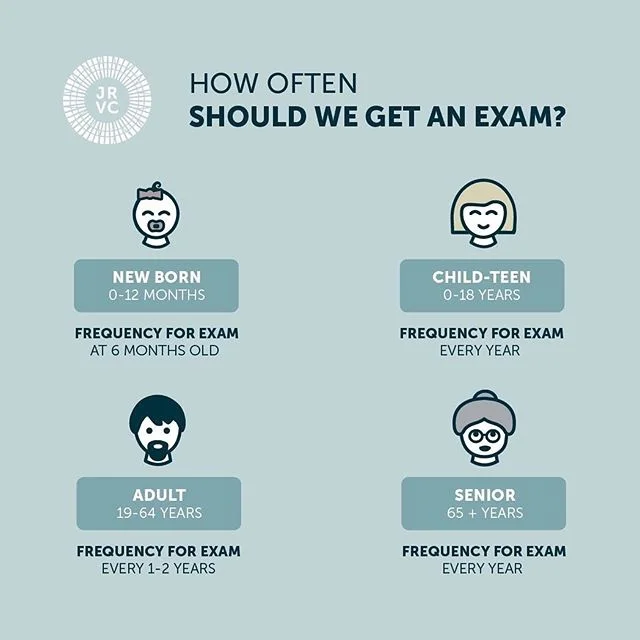
The American Optometric Association recommends adults without existing vision problems should get their eyes examined every two years up to age 60, while anyone over 60 years needs yearly exams.

Most opticians and optometrists recommend anyone who’s currently wearing prescription glasses get yearly checkups.

Why do you need to get a vision check so often? Your eyes change over time and to make sure you get the correct type of glasses, a recent prescription is necessary. If you use an old prescription to order glasses you may end up with a pair that doesn’t allow you to see clearly. Wearing glasses with the incorrect prescription can cause blurry vision, double vision and headaches.

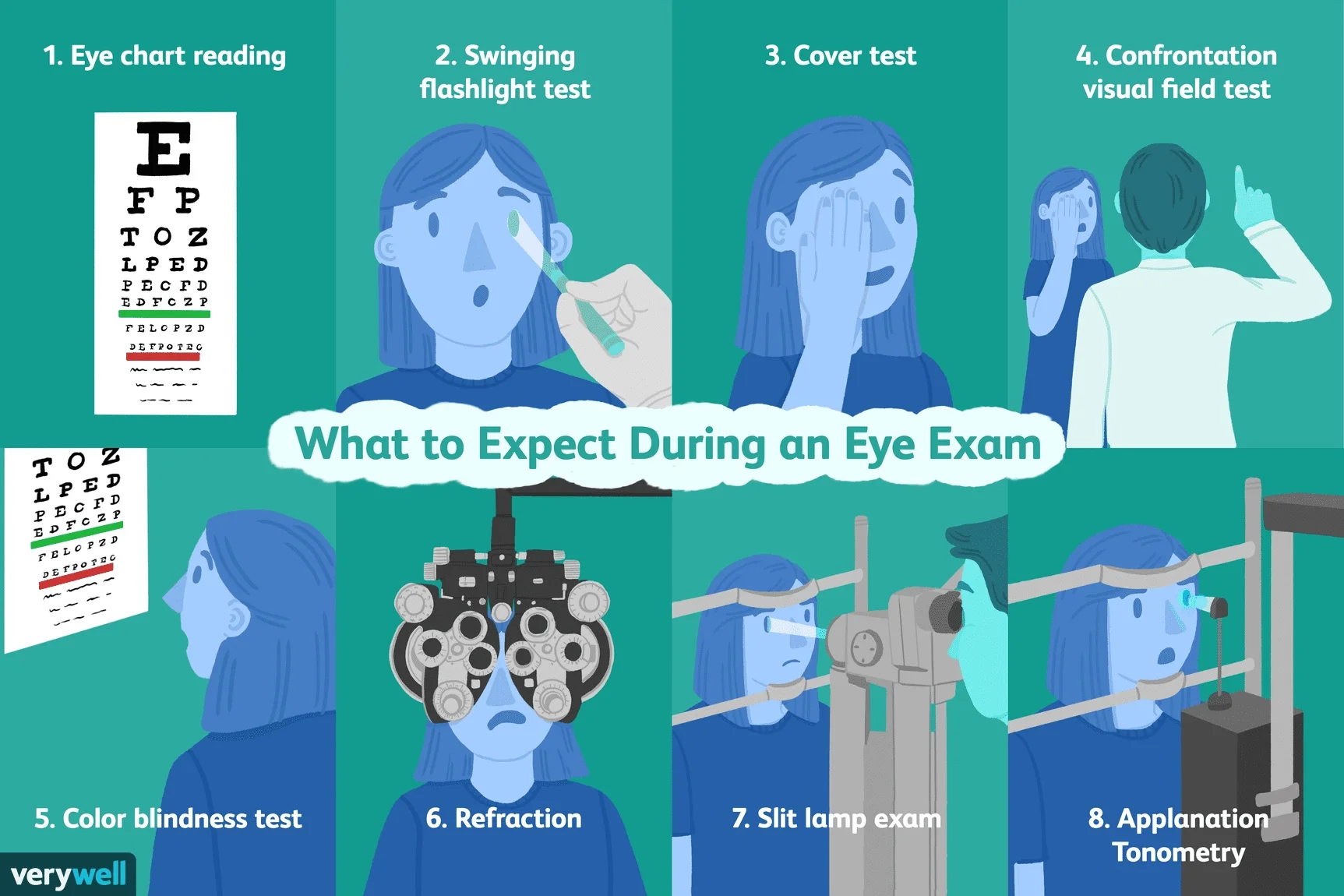
Eye exams detect routine vision problems such as nearsightedness, farsightedness and astigmatism.

Call us to schedule an appointment. We accept most insurance.

public.jpeg
public.jpeg

source: verywellhealth.com and myeyelab.com

Ly Nguyen
Fireworks Eye Safety

Written By: Dan Gudgel

Reviewed By: Thomas L Steinemann MD

Original Publication:
AAO

The numbers are clear: fireworks are dangerous, and the month around July 4th is the most dangerous time. According to the U.S. Consumer Product Safety Commission's most recent annual fireworks injury report (PDF) fireworks caused eight deaths and nearly 13,000 injuries in 2017. Two-thirds of the fireworks injuries treated in emergency rooms happened between mid-June and mid-July.

Fireworks may be advertised like toys around the Fourth of July. You may think you know how to handle them safely. But playing with fireworks can blind you or your loved ones. Leave fireworks to the professionals.

Facts About Eye Injuries

The most recent Consumer Product Safety Commission report found that 14% of fireworks injuries were eye injuries. In the most severe cases, fireworks can rupture the globe of the eye, cause chemical and thermal burns, corneal abrasions and retinal detachment — all of which can cause permanent eye damage and vision loss.

Children and young adults are frequent victims. Children age 15 and under accounted for 36% of the total injuries, according to the commission's report. And half of the injuries requiring an emergency room visit were to people age 20 or younger.

Even sparklers can be dangerous, as they burn at more than 2,000 degrees Farenheit. Sparklers were responsible for 1,200 of the injuries in the latest report, and a sparkler mishap caused one of the fireworks deaths reported in 2017.

The people injured by fireworks aren't necessarily handling the explosives themselves. In fact, 65% of people injured by fireworks were bystanders, according to another study. The statistics don't lie. Children and people not handling fireworks themselves are in as much danger as the people actually lighting fireworks.

What to Do for a Fireworks Eye Injury

Fireworks-related eye injuries can combine blunt force trauma, heat burns and chemical exposure. If an eye injury from fireworks occurs, it should be considered a medical emergency.

Seek medical attention immediately.

  • Do not rub your eyes.

  • Do not rinse your eyes.

  • Do not apply pressure.

  • Do not remove any objects that are stuck in the eye.

  • Do not apply ointments or take any blood-thinning pain medications such as aspirin or ibuprofen unless directed by a doctor.

Fireworks Safety Tips

The best way to avoid a potentially blinding fireworks injury is by attending a professional, public fireworks show rather than purchasing fireworks for home use.

If you attend or live near a professional fireworks show:

  • Respect safety barriers, follow all safety instructions and view fireworks from at least 500 feet away.

  • Do not touch unexploded fireworks; instead, immediately contact local fire or police departments to help.

For those who decide to purchase and use consumer fireworks in states where they are legal (PDF), follow these safety tips from the Consumer Product Safety Commission:

  • Do not allow young children to play with fireworks. Sparklers, a firework often considered by many to be the ideal "safe" device for the young, burn at very high temperatures and should be not be handled by young children. Children may not understand the danger involved with fireworks and may not act appropriately while using the devices or in case of emergency.

  • Older children should be permitted to use fireworks only under close adult supervision.

  • Do not allow any running or horseplay.

  • Set off fireworks outdoors in a clear area, away from houses, dry leaves, or grass and other flammable materials.

  • Keep a bucket of water nearby for emergencies and for pouring on fireworks that fail to ignite or explode.

  • Do not try to relight or handle malfunctioning or "dud" fireworks. Soak them with water and throw them away.

  • Be sure other people are out of range before lighting fireworks.

  • Never light fireworks in a container, especially a glass or metal container.

  • Keep unused fireworks away from firing areas.

  • Store fireworks in a cool, dry place.

  • Check instructions for special storage directions.

  • Observe local laws.

  • Never have any portion of your body directly over a firework while lighting.

  • Do not experiment with homemade fireworks.

Juley