
Foods to Boost Eye Health
If you’re looking for a diet that’s healthy for your eyes, here’s some good news: The same diet that helps your heart and the rest of your body will help your eyes. Plus, you’ll enjoy many delicious choices.For 2020: The Year of the Eye, the America…

If you’re looking for a diet that’s healthy for your eyes, here’s some good news: The same diet that helps your heart and the rest of your body will help your eyes. Plus, you’ll enjoy many delicious choices.

For 2020: The Year of the Eye, the American Academy of Ophthalmology list 36 foods that boost eye health. It’s a diet rich in fruits, vegetables, beans and fish.

Why Is Nutrition Important for Good Vision?

“Some nutrients keep the eye healthy overall, and some have been found to reduce the risk of eye diseases,” said Rebecca J. Taylor, MD, an ophthalmologist in Nashville, Tennessee.

Eating a diet low in fat and rich in fruits, vegetables and whole grains can help not only your heart but also your eyes. This isn't surprising: Your eyes rely on tiny arteries for oxygen and nutrients, just as the heart relies on much larger arteries. Keeping those arteries healthy will help your eyes.

What Should I Focus On for Eye-Healthy Eating?

Orange-colored vegetables and fruits with vitamin A

Perhaps the best-known eye-healthy nutrient is vitamin A. Your retina needs plenty of vitamin A to help turn light rays into the images we see. Also, without enough vitamin A, your eyes can’t stay moist enough to prevent dry eye.

Carrots are a well-known source of vitamin A. Sweet potatoes provide even more vitamin A, Dr. Taylor said. “A sweet potato has more than 200% of the daily dose of vitamin A doctors recommend.” Fruits, including cantaloupe and apricots, can be a good source of vitamin A.

Fruits and veggies rich in Vitamin C

Vitamin C is critical to eye health. As an antioxidant, vitamin C helps protect the body from damage caused by some things we eat, unhealthy habits and environmental factors. Fried foods, tobacco smoke and the sun’s rays can produce free radicals--molecules that can damage and kill cells. Vitamin C helps repair and grow new tissue cells.

Good sources of vitamin C include citrus fruits, such as oranges, tangerines, grapefruit andlemons. Lots of other foods offer vitamin C, including peaches, red bell peppers, tomatoes and strawberries. Antioxidants can prevent or at least delay age-related macular degeneration (AMD) and cataracts, according to the Age-Related Eye Diseases Study (AREDS).

Vitamin E

Another important antioxidant is vitamin E, which helps keep cells healthy. Vitamin E can be found in avocados, almonds and sunflower seeds.

Cold-water fish with omega-3 fatty acids

Diets rich in omega-3 fatty acids from cold-water fish may help reduce the risk of developing eye disease later in life, research suggests. These fish include salmon, tuna, sardines, halibut and trout. “Omega-3’s are good for tear function, so eating fish may help people with dry eye,” Dr. Taylor said.

Leafy green vegetables rich in lutein and zeaxanthin

Lutein and zeaxanthin are antioxidants found in the pigments of leafy green vegetables and other brightly colored foods. They are key to protecting the macula, the area of the eye that gives us our central, most detailed vision. Kale and spinachhave plenty of these nutrients. Other foods with useful amounts of lutein and zeaxanthin include romaine lettuce, collards, turnip greens, broccoli and peas. And while not leafy and green,eggs also are a good source of these nutrients.

Beans and zinc

The mineral zinc helps keep the retina healthy and may protect your eyes from the damaging effects of light. However, zinc can lower the amount of copper in your body, which we need to help form red blood cells. Fortunately, you can increase both at once with all kinds of beans (legumes), including black-eyed peas, kidney beans and lima beans. Other foods high in zinc include oysters, lean red meat, poultry and fortified cereals.

Should I Get Eye-Healthy Nutrients Through Vitamin Supplements?

Eating the right food is the best way to get eye-healthy nutrients, Dr. Taylor said. “In general, most Americans can and should get enough nutrients through their diet without needing to take supplements.”

People who have macular degeneration are an exception. “In this case, taking supplements is recommended by the Age Related Eye Disease Study 2, a follow-up to the AREDS (Age-Related Eye Disease) Study. Talk with your ophthalmologist if you or a family member has AMD,” Dr. Taylor said.

No matter your age, it’s not too late to start eating healthy, she said. “So many of my patients focus on a healthy diet only after they’ve been diagnosed with a serious health problem. Start eating well now to benefit your vision and your health for the rest of your life.”

Written By: Celia Vimont

Source: AAO
Ly Nguyen
20 Reasons to See an Ophthalmologist
American Academy of Ophthalmology presents 20 reasons to see an ophthalmologist.Why an ophthalmologist?1. Ophthalmologists are trained physicians and surgeons, who are well-versed in health conditions beyond just those related to the eye. This means…

American Academy of Ophthalmology presents 20 reasons to see an ophthalmologist.

Why an ophthalmologist?

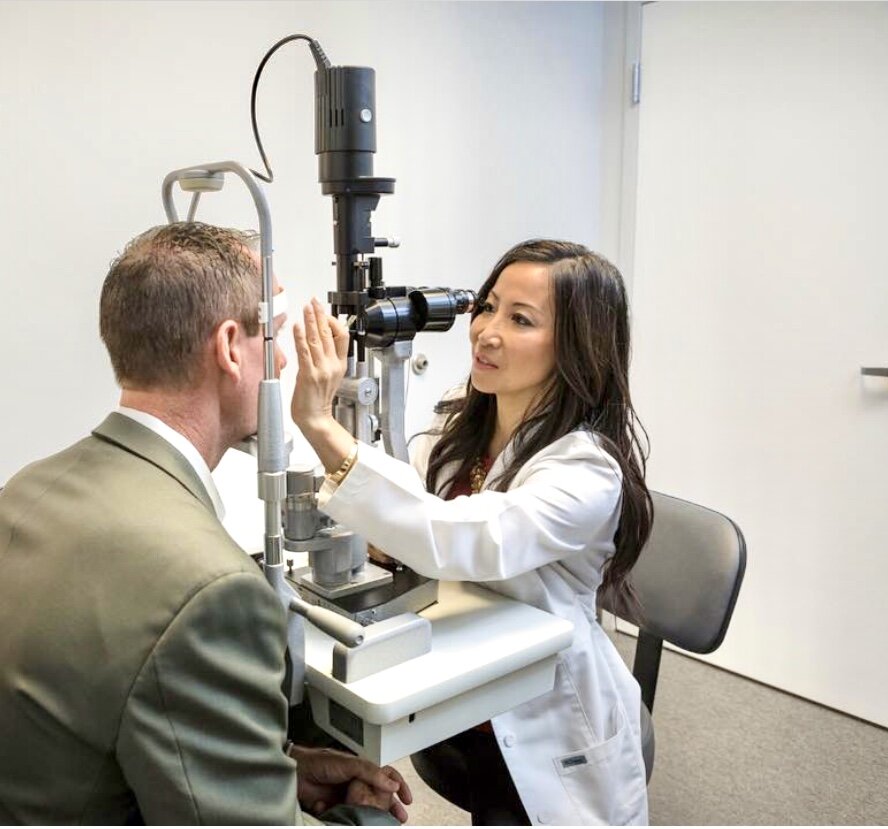
1. Ophthalmologists are trained physicians and surgeons, who are well-versed in health conditions beyond just those related to the eye. This means they can diagnose and treat eye diseases and can sometimes diagnose systemic diseases that a specialist or primary care physician can help treat. The Academy recommends all healthy adults have their eyes dilated and see an ophthalmologist for a comprehensive eye exam by age 40. This can prevent vision problems later in life.

How will regular eye exams boost my health?

2. An ophthalmologist evaluates and considers your personal risk of disease, which is influenced by race, age and family history. They’ll steer you toward the proper health screenings at the right times.

3. Ophthalmologists can spot eye disease early and take steps to protect your sight. Many eye conditions are silent: By the time you notice symptoms, your vision may be partially impaired. This is true for potentially blinding eye diseases, such as age-related macular degeneration, ocular melanoma or glaucoma.

4. An ophthalmologist can also guide healthy lifestyle choices. You can protect your vision by eating eye-healthy foods, exercising, and protecting your eyes from UV light. Cigarette smoke in particular can worsen eye conditions such as cataracts and macular degeneration. Your doctor will suggest personalized tips.

5. There are pros and cons to dietary supplements for eye health. Consult with an ophthalmologist before adding new supplements or vitamins to your routine. They’ll help you understand the potential risk and benefits.

When should I seek medical attention right away?

6. Every so often, eye infections lead to complications, including blindness. If you think you have an eye infection, consider skipping the urgent care center. Get treated by an ophthalmologist right away.

7. Always seek emergency medical attention after an acute eye injury. Hospital emergency departments work closely as first line medical care in emergency settings and may consult ophthalmologists for conditions which can impair vision. So, whether you caught a hockey stick to the face or splashed cleaning spray in your eye, your ophthalmologist can help in the process of medical care to rule out and treat potentially serious damage.

Though not always a sign of serious disease, there are a few changes you should never ignore. See an ophthalmologist immediately if you notice any of these symptoms:

8. A change in vision, or sudden blurriness, could be a sign that you need treatment for a condition such as cataracts, age-related macular degeneration, retina or systemic disease.

9. New floaters or flashes in your vision could signal a serious problem such as a retinal detachment.

10. Double vision sometimes warns of systemic brain conditions or nerve injury.

11. Sudden loss of vision should be checked right away. Even if your vision darkens for a few seconds and then comes back, you may need to go to the emergency room or make an urgent appointment with your ophthalmologist. This may be a symptom of a potentially blinding eye condition.

What else warrants a visit to my ophthalmologist?

12. People with diabetes should get regular eye checks. High blood sugar can damage blood vessels in the eye and cause vision loss. Controlling your blood sugar and going in for regular medical checkups are two ways you can protect your eyes from diabetes.

13. Vision changes during pregnancy. An ophthalmologist can help treat common eye conditions of pregnancy, such as dry eye. Some women develop pregnancy-related diabetic eye diseases or high blood pressure — ophthalmologists are part of the treatment team for these conditions, too!

14. Considering LASIK or other refractive surgery? An ophthalmologist can make sure you’re a good candidate before you spend the money.

15. What about brow lifts and nose jobs? If you’re on the market for cosmetic surgery on the face, consider an ophthalmologist who specializes in oculoplastics. These doctors are highly skilled at operating on eyelids and the delicate bones around the eye.

16. Certain cosmetic products, such as eyelash growth serums or contact lenses, require a prescription from a doctor. An ophthalmologist can discuss risk factors and safety tips.

17. If you suffer from dry eye and can’t find relief in home remedies, an ophthalmologist can pinpoint the cause and find a treatment that can help.

18. There are lots of myths out there about our eyes and vision. Before buying blue light-blocking glasses or other over-the-counter products that are advertised to save your sight, get the facts straight. Your ophthalmologist can provide solid advice backed by the latest research.

19. If you’re already living with low vision, add an ophthalmologist to your vision rehabilitation team. They’ll collaborate on the best ways to preserve your sight and boost your independence in day-to-day life.

20. Many people say vision is the sense they rely on most. Protect your sight throughout your lifetime by following the Academy’s recommended schedule for eye exams based on your age, family history and heritage.

Source: AAO

Ly Nguyen
Reduce Anxiety & Stress

Know that feeling of your heart beating faster in response to a stressful situation? Or perhaps, instead, your palms get sweaty when you’re confronted with an overwhelming task or event.

That’s anxiety — our body’s natural response to stress.

These quick tips and tricks can help manage stress levels and calm anxiety.

1. Drink less caffeine

2. Exercise

3. Practice yoga

4. Listen to music

5. Practice mindfulness meditation

6. Practice diaphragmatic breathing

IMG_5820.png
IMG_5821.jpeg
Ly Nguyen