April is Women’s Eye Health Month

DID YOU KNOW WOMEN ARE AT GREATER RISK FOR EYE DISEASE AND VISUAL IMPAIRMENTS?

• More common in women than men are: glaucoma, cataracts, age-related macular degeneration (AMD), and dry eye

• Two thirds of individuals who are blind or going blind are women. 

Almost 80% of conditions leading to visual impairment are preventable or treatable.

Steps Women Can Take to Help Maintain Healthy Eyes and Vision:

• Live a healthy lifestyle: maintain a good weight, don’t smoke, eat a diet rich in green leafy vegetable and fleshy fish, protect eyes from the sun

• Know your family’s health history and risk factors. Glaucoma, AMD, and other eye diseases may be hereditary. The earlier these conditions are detected, the sooner they can be treated to reduce the chance of vision loss.

• Have annual comprehensive eye exams and discuss your general health and family health history with Dr. Nguyen.

Call (407) 891-2010 to schedule an appointment.

More information on women’s eye health at: http://www.w-e-h.org/

BCDA1593-5D23-40D3-A93E-7C41E57E1549.jpeg
Ly Nguyen
Spring break and your eyes

The weather is warming up, and spring break is here! As you travel to the hottest vacation spots, make sure to pack your sunglasses!

Just as the sun’s UV rays can cause sun burns and skin cancer, they're also strong enough to harm unprotected eyes. Even a full day outside without UV protective eyewear can cause immediate and temporary issues like swollen or red eyes and hypersensitivity to light. Combined with years of cumulative exposure, it can cause cancer of the eye or eyelid and accelerate conditions like age-related macular degeneration and cataracts.

IMG_2916.png
Ly Nguyen
Home Eye Safety
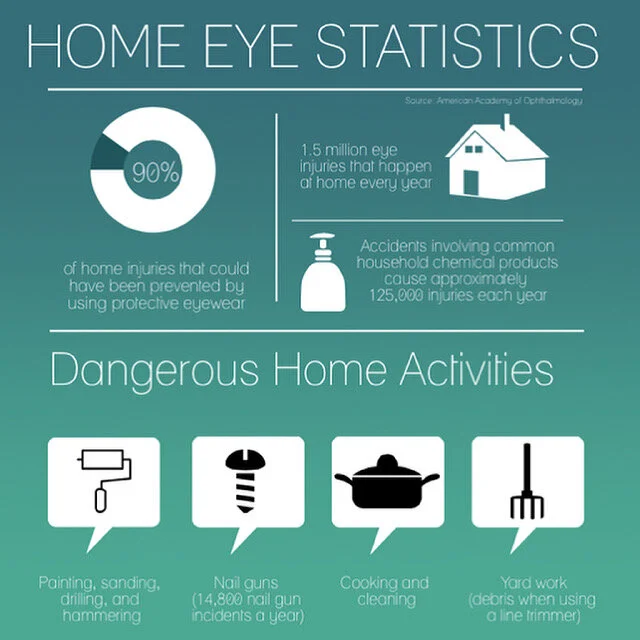
Most people do not think about wearing eye protection while cleaning, cooking, doing yard work or working in the garage. However, half of all eye injuries occur when doing these everyday chores, according to the American Academy of Ophthalmology (AA…

Most people do not think about wearing eye protection while cleaning, cooking, doing yard work or working in the garage. However, half of all eye injuries occur when doing these everyday chores, according to the American Academy of Ophthalmology (AAO). Although 90 percent of all eye injuries are preventable by wearing the proper eye protection, the AAO reports that 78 percent of those injured were not wearing any protective eyewear.

Ly Nguyen