Low vision is the term used to describe a significant visual impairment that can't be fully corrected with glasses, contact lenses, medication or eye surgery.
Low vision can include one or more of the following:
A best-corrected visual acuity measurement of 20/70 or worse, in the better eye.
Significant visual field loss. Blind spots and tunnel vision (the loss of your peripheral vision) are two examples of visual field loss.
Legal blindness. In the United States, legal blindness is typically defined as 20/200 vision or worse, in the better eye, with the best possible vision correction. It can also include a field of view that is reduced to 20 degrees or less.
What causes low vision?
Many patients who have been diagnosed with low vision are interested in learning what has caused their condition. There are several reasons why this condition may develop. Common risk factors that increase one’s chances of developing low vision include:
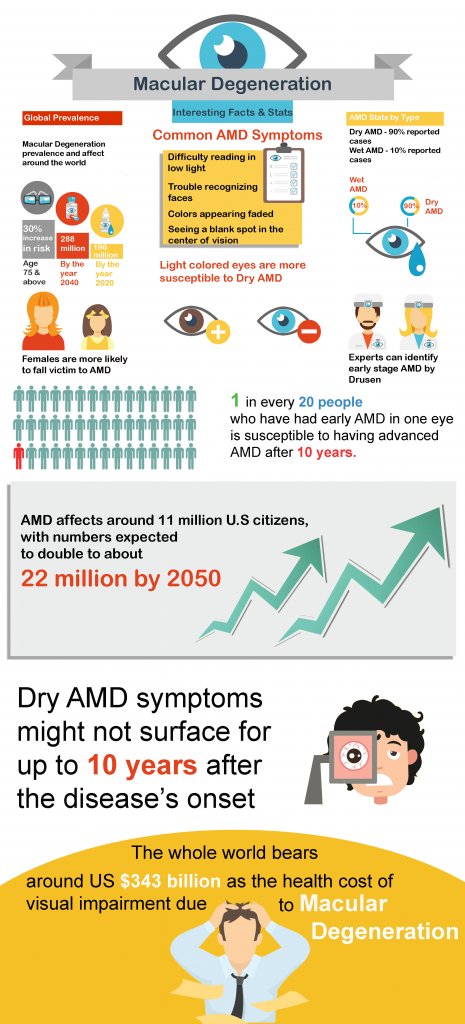
AMD (age-related macular degeneration) – as patients age, their vision can naturally change due to deterioration of the macula. Macular degeneration can impact the ability for patients to read, drive, and recognize others, often causing a blind spot to develop in the center of one’s vision.
Glaucoma – glaucoma is an eye disorder that can cause damage to the optic nerve and result in vision loss. It is often a result of high internal fluid pressure in the eye caused by a build-up. Glaucoma is the second-leading cause of blindness to adults in the United States.
RP (Reinitis pigmentosa) – damage to the light-sensitive cells in the eyes can destroy one’s night vision and peripheral vision. This inherited disease may develop in the teenager or early adult years and can lead to total blindness by 40.
Amblyopia (lazy eye) – lazy eye is not due to an actual eye problem, but can develop in children and is often detected by the age of 6-years-old. Early diagnosis and correction can reverse this condition, but if left untreated, it can become impossible to address in adulthood.
Diabetic retinopathy – patients with diabetes should work with their eyecare provider to ensure they are managing their condition properly to avoid diabetic retinopathy which can lead to total blindness without treatment.
Cataracts – cataract result in cloudy vision and loss of vision over time. It may be caused by UV rays, genetics, disease, or injury. However, most patients who experience this condition are of advancing age may require surgery to address the problem.
TBI (traumatic brain injury) – patients who have experienced a TBI may be at an increased risk of developing low vision, and should be assessed regularly by an eye physician to monitor their eye health.
Make sure to see your eye doctor before any eye condition becomes so serious that vision loss occurs.
If you think you need a low vision evaluation, please let us know. We would be happy to review your situation and help you arrange to see a low vision specialist. A low vision specialist is a eye care profession with specialized training in helping patients with low vision. Every patient is unique.
Resources and Links for People with Low Vision
https://www.aao.org/eye-health/diseases/low-vision-resources
¿Qué es la baja visión?
La baja visión se refiere a una pérdida de visiónque no se puede corregir con tratamientos médicos o quirúrgicos ni con anteojosconvencionales. Una persona con baja visión tiene que aprender a adaptarse a su baja visión.
Las buenas noticias son: Que hay muchas formas de ayudar a que quienes tienen baja visión puedan seguir haciendo lo que es importante para ellos. Perder visión no significa renunciar a las actividades sino que puede significar aprender a realizarlas de otra manera.
La rehabilitación de la visión ayuda a los pacientes a aprender nuevas estrategias y encontrar nuevos dispositivos que pueden ayudarles.
source - all about vision, aao