March is Protect Your Vision: Essential Eye Safety Tips for Workplace Eye Wellness Month 👁️🦺

Each year, nearly 25,000 Americans visit the emergency room due to workplace eye injuries. March is Workplace Eye Wellness Month, a reminder from the American Academy of Ophthalmologyabout the importance of wearing certified eye protection to prevent injuries and maintain healthy vision.

Your eyes are one of your most valuable assets, and protecting them should be a priority. Here are the top ways to maintain optimal eye health and prevent vision loss.

🩺 Get a Comprehensive Dilated Eye Exam

Many common eye diseases—including glaucoma, diabetic eye disease, and age-related macular degeneration—often have no early symptoms. A dilated eye exam is the only way to detect these conditions early and prevent irreversible damage.

During this exam, an eye care professional uses special drops to widen the pupils, allowing for a thorough examination of the retina and optic nerve. This early detection can save your sight!

👨‍👩‍👧‍👦 Know Your Family’s Eye Health History

Many eye diseases have a genetic component. If your family has a history of conditions like glaucoma or macular degeneration, you may be at a higher risk. Share this information with your eye doctor to take preventive steps early.

🥗 Eat Right to Protect Your Sight

A nutrient-rich diet can help maintain eye health and reduce the risk of vision problems. Foods that support good vision include:

✔ Dark leafy greens (spinach, kale, collard greens)

✔ Omega-3-rich fish (salmon, tuna, halibut)

✔ Carrots, oranges, and nuts for essential vitamins

⚖️ Maintain a Healthy Weight

Being overweight or obese increases the risk of developing diabetes, which can lead to diabetic eye disease and vision loss. Regular exercise and a balanced diet can help maintain a healthy weight and protect your eyes.

🦺 Wear Protective Eyewear at Work & Home

Eye injuries are 100% preventable with the right safety gear! Whether you’re on the job, playing sports, or doing home repairs, always wear protective eyewear like:

✔ Safety glasses with polycarbonate lenses

✔ Goggles or face shields for high-risk environments

✔ Sports eye guards for impact protection

Employers are required to provide protective eyewear—make sure you use it!

🚭 Quit Smoking (or Never Start!)

Smoking isn’t just bad for your lungs—it increases your risk of:

❌ Macular degeneration (leading cause of blindness)

❌ Cataracts (clouding of the eye’s lens)

❌ Optic nerve damage

Quitting smoking can significantly reduce these risks and protect your vision long-term.

🕶️ Wear Sunglasses Year-Round

UV rays can cause serious eye damage over time, leading to cataracts, macular degeneration, and photokeratitis. Choose sunglasses that:

✔ Block 99-100% of UV-A and UV-B rays

✔ Offer polarized lenses to reduce glare

✔ Wrap around your face for full protection

💻 Reduce Digital Eye Strain

Spending long hours on a screen? Try the 20-20-20 Rule:

⏳ Every 20 minutes

👀 Look at something 20 feet away

⏳ For 20 seconds

This helps reduce eye strain and dryness caused by prolonged screen exposure.

👐 Keep Hands & Contact Lenses Clean

Poor contact lens hygiene can lead to eye infections and even vision loss. Follow these steps:

✔ Always wash your hands before handling lenses

✔ Disinfect contacts as directed

✔ Replace them according to your eye doctor’s recommendations

🏢 Prioritize Workplace Eye Safety

Employers must provide a safe work environment that meets OSHA standards for eye protection. If protective eyewear is required for your job, wear it consistently and encourage coworkers to do the same.

🔍 Take Action for Healthier Vision

Your eye health matters! By following these simple steps, you can reduce your risk of vision loss, prevent injuries, and maintain healthy eyesight well into your golden years.

🔹 Schedule your next eye exam today!

🔹 Share this post to spread awareness about workplace eye wellness.

#WorkplaceEyeWellness #EyeHealth #ProtectYourVision #Ophthalmology #EyeCareTips #EyeSafety #HealthyEyes #VisionProtection #BlueLightBlocking #MacularDegeneration #DiabeticEyeDisease #OrlandoOphthalmology #PreventBlindness

Ly Nguyen
Effective Tips for Managing Dry Eyes in Humid Climates

Living in humid climates can sometimes make our eyes feel dry and irritated, even though it seems like the moisture in the air should help. Dry eyes can be uncomfortable, causing itching, burning, and even blurry vision. It's important to understand why this happens and how we can manage these symptoms effectively.

Humidity affects different people in different ways, and finding a solution that works for you can be a bit of a journey. Whether it's the high pollen count, pollution, or time spent in air-conditioned spaces, each factor can play a role in your eye health. That’s why taking some proactive steps can make a big difference.

Managing dry eyes in a humid environment doesn't need to be complicated. With the right habits and eye care products, you can enjoy clear and comfortable vision. It's all about knowing what to do and making small changes to protect and care for your eyes. Let's explore some simple tips that can help you feel better and see clearly, no matter where you are.

Understanding Dry Eyes in Humid Environments

Dry eyes in humid environments seem confusing at first since moisture in the air is supposed to help. But there are several factors that can lead to dry eyes even when it's humid outside. Understanding these can help you tackle the issues more effectively.

Humidity affects your eyes in indirect ways. For instance, spending a lot of time in air-conditioned spaces can dry out your eyes. Air conditioning reduces indoor humidity, which can cause tear film on your eyes to evaporate more quickly, making your eyes feel dry and scratchy.

Pollutants and allergens also contribute to dry eyes. Humid environments often have high levels of pollen and dust, which can irritate your eyes and lead to dryness. If you live near the coast, salt from the air might also be a contributing factor.

It's also important to consider the role of screens. Spending long periods looking at computers or tablets can cause dry eyes because we tend to blink less while focusing on screens. Blinking helps keep your eyes moist, so remember to take regular breaks.

Daily Habits to Alleviate Dry Eye Symptoms

Creating healthy habits can greatly reduce the discomfort of dry eyes. These simple changes can help your eyes stay moist and comfortable, even when it's humid.

1. Blink Regularly: Make a conscious effort to blink more often, especially when using screens. Blinking spreads tears over your eyes and reduces evaporation.

2. Stay Hydrated: Drink plenty of water throughout the day. Staying hydrated helps your body, including your eyes, produce tears more effectively.

3. Use a Humidifier: If you spend a lot of time indoors with air conditioning, consider using a humidifier to keep the air around you moist.

4. Adjust Your Diet: Include foods rich in Omega-3 fatty acids, like fish and flaxseed, in your meals. These nutrients support tear production.

5. Practice the 20-20-20 Rule: Every 20 minutes, look at something 20 feet away for at least 20 seconds. This gives your eyes a break and reduces strain.

6. Wear Sunglasses: Protect your eyes from sun and wind. Sunglasses with wraparound frames can help shield your eyes from harsh elements.

Incorporating these habits into your day can make a significant difference in managing dry eye symptoms. A little care goes a long way in keeping your eyes healthy and happy.

Best Practices for Protecting Eyes Outdoors

Spending time outdoors brings fresh air and fun activities, but it can also be tough on your eyes, especially in humid environments. Protecting your eyes from different elements is key to keeping them comfortable and healthy.

First, always wear sunglasses. Choose pairs with UVA and UVB protection to shield your eyes from harmful sun rays. Polarized lenses can reduce glare, which is helpful when you're near water or driving during bright sunny days.

Wide-brimmed hats or caps provide extra protection by blocking sunlight. They also keep sweat from dripping into your eyes, which can irritate them.

Stay aware of wind direction and try to avoid areas where wind and dust are prevalent. Wind can dry your eyes out, making them uncomfortable.

And if you're swimming, consider wearing goggles. Goggles protect your eyes from chlorine in swimming pools and salty seawater that might irritate them.

By following these outdoor protection tips, you can enjoy your time outside without worrying about dry eyes

Choosing the Right Eye Care Products for Humid Climates

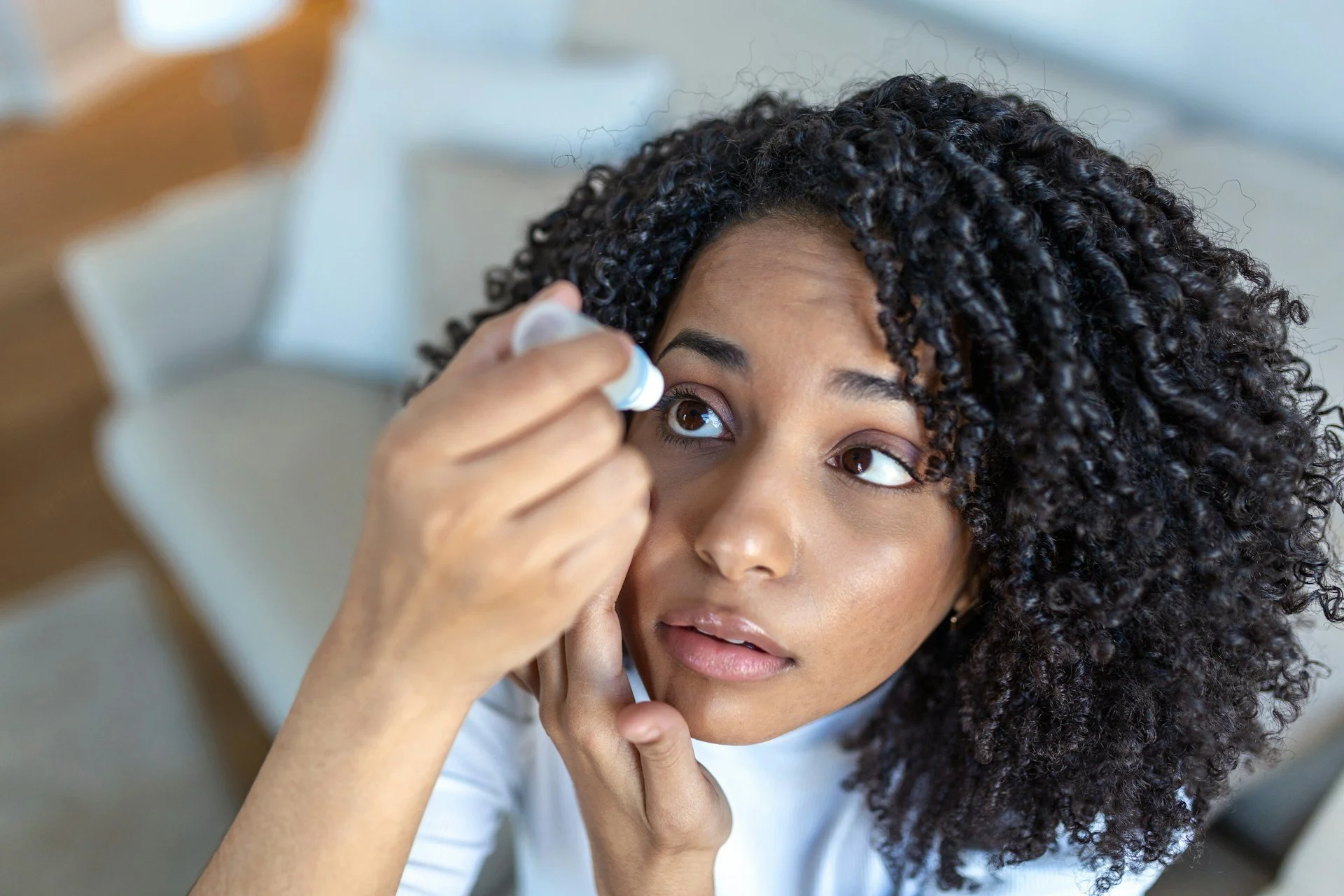
Selecting the right eye care products is essential to managing dry eyes effectively in humid climates. Products like artificial tears, gels, and other eye drops can help keep your eyes comfortable.

Start by choosing preservative-free artificial tears. These drops mimic your natural tears and provide moisture without irritation. It's safe to use them as often as needed throughout the day.

Gels or ointments may be beneficial if you experience dry eyes while sleeping. These products offer longer-lasting relief and can be applied before bed.

Look for hypoallergenic products if you have sensitive eyes. They are less likely to cause irritation and help maintain hydration.

Use a gentle cleaner to keep your eyelids clean, especially if you have conditions like blepharitis. Clean eyelids can improve tear quality and prevent discomfort.

If you wear protective glasses, choose ones with a barrier shield to retain moisture around your eyes. These can be particularly helpful if you spend a lot of time in windy conditions.

Keep your eyes comfortable all day by using these effective eye care products designed for humid environments.

Conclusion

Managing dry eyes in humid climates doesn't have to be challenging if you adopt the right habits and choose effective products. From maintaining healthy daily routines to selecting the right eye care solutions, protecting your eyes is crucial to feeling comfortable and keeping your vision clear.

Taking proactive steps to care for your eyes will ensure they stay healthy and hydrated, no matter where you are. Paying attention to your outdoor activities and choosing the right sunglasses can make outdoor adventures enjoyable. In humid settings, eye care products that suit your needs can offer relief and maintain eye comfort.

If you're looking for personalized advice or treatment options for dry eyes in humid climates, Eye Florida is here to help. Our experts can provide tailored solutions to address your unique eye care needs and ensure your eyes stay in optimal health. Visit Eye Florida and start your journey to comfortable, healthy eyes today.

Ly Nguyen
How to Choose the Right Glasses for Your Face Shape

Choosing the right glasses is about more than just seeing clearly. It's also important to pick frames that complement your face shape and fit comfortably. The right pair of glasses can enhance your features and give you a stylish look that feels just right. With so many options out there, knowing what to look for can make the process easier and more fun.

Identifying your face shape is the first step to finding glasses that suit you. Different frame styles work better with certain shapes, and understanding this helps narrow down your choices. Once you know your face shape, you can explore various frame styles, materials, and colors that will highlight your best features.

Glasses are a great way to express yourself. From classic designs to bold colors, there's something for everyone's style. Picking the perfect pair of glasses means considering not just the shape and size of your face, but also the color combinations and materials that match your personal taste. By taking these factors into account, you can find glasses that make you look and feel great every day.

Identifying Your Face Shape

Identifying your face shape is a helpful way to pick out the perfect glasses. Knowing your face shape can guide you to styles that flatter your features and feel comfortable to wear. Here's how you can figure out which shape best describes your face.

First, stand in front of a mirror with your hair pulled back. Take a good look at the outline of your face and pay attention to specific characteristics, including the width of your forehead, cheeks, and jawline, as well as the length of your face. These features help determine which shape you have.

Here are some common face shapes:

1. Round: If your face is about as wide as it is long, with curved lines and no sharp angles, you likely have a round face.

2. Oval: If your face length is greater than the width, with a balanced forehead, cheekbones, and jawline, you may have an oval face.

3. Square: A face with a strong jawline and a width that is almost equal to its length falls in the square category.

4. Heart: Characterized by a wider forehead and a pointed chin, the heart-shaped face often resembles an upside-down triangle.

5. Rectangle: This shape is similar to a square, but longer, featuring a broad forehead and jawline with a noticeably longer face length.

Once you identify your shape, you can explore glasses styles that complement these features, helping you choose frames that enhance your natural beauty.

Matching Glasses Styles to Face Shapes

Now that you know your face shape, it's time to find glasses that suit it well. Different styles enhance different features, offering balance and harmony to your overall look. Choosing the right frames can highlight your best features and keep you looking fabulous.

Here's a quick guide to matching glasses styles to face shapes:

1. Round Faces: Choose rectangular or square frames to add angles and structure. Avoid round frames which can make the face appear rounder.

2. Oval Faces: This versatile shape can wear most frame styles. Try bold shapes like cat-eye or rectangular frames which add contrast to the smooth lines of an oval face.

3. Square Faces: Go for round or oval frames to soften angular features. Avoid square frames that make the face appear wider.

4. Heart Faces: Try bottom-heavy frames or light-colored frames to balance the wider forehead. Avoid styles with too much emphasis on the top like aviators.

5. Rectangle Faces: Look for frames with depth and a low bridge to shorten the nose. Round or oval frames help add width and soften the look.

Selecting the right glasses can enhance your face shape and complement your personal style, making your frames an extension of how you express yourself every day.

Tips for Choosing the Best Frame Material

Selecting the right frame material is crucial for comfort, durability, and style. Various materials cater to different needs, so understanding the benefits of each can guide you to the perfect choice for your lifestyle and taste.

1. Plastic: Light and fun, plastic frames are available in many colors and patterns. They're affordable and great for casual or trendy looks. However, they might not be as durable as metal frames, so they're more suitable for gentle handling.

2. Metal: Metal frames are known for their durability and strength. They offer a sleek, modern look and often include features like adjustable nose pads for a custom fit. Options like titanium and stainless steel are lightweight and hypoallergenic, perfect for sensitive skin.

3. Wood: For something unique, wooden frames offer natural beauty and eco-friendliness. They're lightweight but can be less adjustable, so it's essential to find the right fit initially.

4. Acetate: This is a type of plastic known for being strong and versatile. It's often used for high-fashion eyewear due to its high-quality finish, making it great for those who want both style and resilience.

Choosing the right frame material involves considering how you will use your glasses, your comfort preferences, and how you want to express your style. Each material brings something different to the table, so finding the one that fits your needs is ideal.

Considering Color and Design for Your Glasses

Color and design can transform your glasses from a necessity into a fashion statement. When choosing the perfect pair, think about what colors complement your skin tone, hair, and personal style. Glasses should enhance your natural features while aligning with your personality and lifestyle.

Consider these tips for choosing color and design:

- Skin Tone: Generally, warm skin tones pair well with shades like gold, brown, and olive. Cool skin tones look great with silver, black, purple, or blue shades.

- Hair Color: Your hair color can also influence the color of frames that suit you. Earthy colors might blend well with darker hair, while bold frames can pop against lighter shades.

- Lifestyle Needs: If you lead a dynamic lifestyle or work in a professional setting, neutral colors might be your go-to. For a playful or artistic look, explore vibrant hues and unique patterns.

- Personal Style: Classic styles, like tortoiseshell or black, are timeless and versatile. If you love standing out, bold colors and unique shapes might express your creativity.

By considering these factors, you can pick frames that not only match your personal preferences but also add a touch of style to your daily look.

Conclusion

Choosing the right glasses is more than just a necessity; it's a chance to enhance your overall appearance and express your personal style. By understanding the shape of your face, selecting the right frame styles, and considering materials and colors, you can find glasses that are both practical and stylish. Your glasses should make you feel confident and comfortable, serving as both an accessory and a tool for great vision.

Whether you're updating your look or finding your first pair, take the time to explore your options and choose wisely. Glasses can truly complement your individuality and support your lifestyle, helping you see the world with clarity and confidence.

If you're ready to find the perfect pair of glasses tailored to your needs, Eye Florida is here to help. Our friendly team is ready to assist you in selecting glasses that perfectly fit your face shape and style. Visit our St. Cloud eye center at Eye Florida today to discover glasses that support your vision and enhance your look!

Ly Nguyen