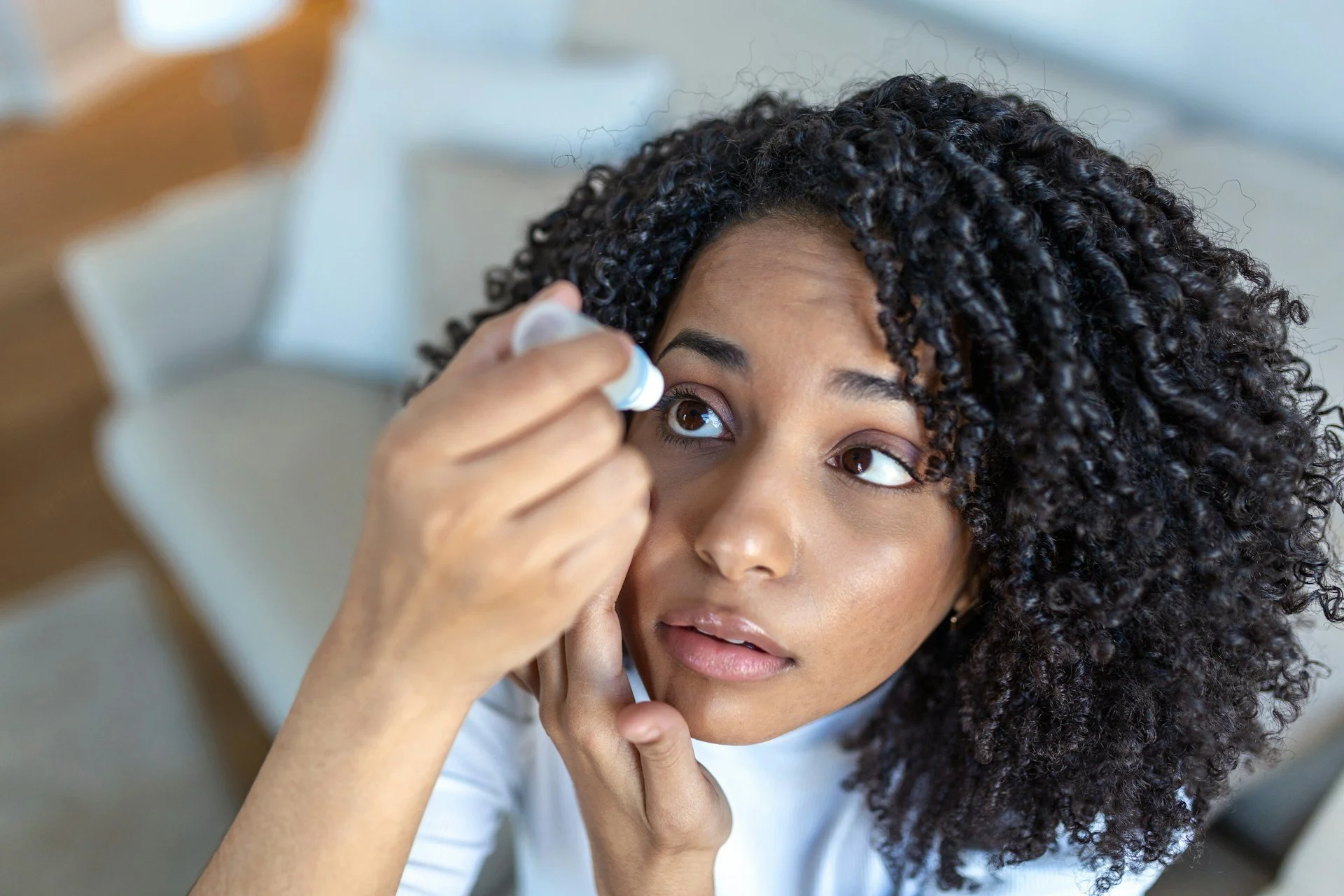
Living in humid climates can sometimes make our eyes feel dry and irritated, even though it seems like the moisture in the air should help. Dry eyes can be uncomfortable, causing itching, burning, and even blurry vision. It's important to understand why this happens and how we can manage these symptoms effectively.
Humidity affects different people in different ways, and finding a solution that works for you can be a bit of a journey. Whether it's the high pollen count, pollution, or time spent in air-conditioned spaces, each factor can play a role in your eye health. That’s why taking some proactive steps can make a big difference.
Managing dry eyes in a humid environment doesn't need to be complicated. With the right habits and eye care products, you can enjoy clear and comfortable vision. It's all about knowing what to do and making small changes to protect and care for your eyes. Let's explore some simple tips that can help you feel better and see clearly, no matter where you are.
Understanding Dry Eyes in Humid Environments
Dry eyes in humid environments seem confusing at first since moisture in the air is supposed to help. But there are several factors that can lead to dry eyes even when it's humid outside. Understanding these can help you tackle the issues more effectively.
Humidity affects your eyes in indirect ways. For instance, spending a lot of time in air-conditioned spaces can dry out your eyes. Air conditioning reduces indoor humidity, which can cause tear film on your eyes to evaporate more quickly, making your eyes feel dry and scratchy.
Pollutants and allergens also contribute to dry eyes. Humid environments often have high levels of pollen and dust, which can irritate your eyes and lead to dryness. If you live near the coast, salt from the air might also be a contributing factor.
It's also important to consider the role of screens. Spending long periods looking at computers or tablets can cause dry eyes because we tend to blink less while focusing on screens. Blinking helps keep your eyes moist, so remember to take regular breaks.
Daily Habits to Alleviate Dry Eye Symptoms
Creating healthy habits can greatly reduce the discomfort of dry eyes. These simple changes can help your eyes stay moist and comfortable, even when it's humid.
1. Blink Regularly: Make a conscious effort to blink more often, especially when using screens. Blinking spreads tears over your eyes and reduces evaporation.
2. Stay Hydrated: Drink plenty of water throughout the day. Staying hydrated helps your body, including your eyes, produce tears more effectively.
3. Use a Humidifier: If you spend a lot of time indoors with air conditioning, consider using a humidifier to keep the air around you moist.
4. Adjust Your Diet: Include foods rich in Omega-3 fatty acids, like fish and flaxseed, in your meals. These nutrients support tear production.
5. Practice the 20-20-20 Rule: Every 20 minutes, look at something 20 feet away for at least 20 seconds. This gives your eyes a break and reduces strain.
6. Wear Sunglasses: Protect your eyes from sun and wind. Sunglasses with wraparound frames can help shield your eyes from harsh elements.
Incorporating these habits into your day can make a significant difference in managing dry eye symptoms. A little care goes a long way in keeping your eyes healthy and happy.
Best Practices for Protecting Eyes Outdoors
Spending time outdoors brings fresh air and fun activities, but it can also be tough on your eyes, especially in humid environments. Protecting your eyes from different elements is key to keeping them comfortable and healthy.
First, always wear sunglasses. Choose pairs with UVA and UVB protection to shield your eyes from harmful sun rays. Polarized lenses can reduce glare, which is helpful when you're near water or driving during bright sunny days.
Wide-brimmed hats or caps provide extra protection by blocking sunlight. They also keep sweat from dripping into your eyes, which can irritate them.
Stay aware of wind direction and try to avoid areas where wind and dust are prevalent. Wind can dry your eyes out, making them uncomfortable.
And if you're swimming, consider wearing goggles. Goggles protect your eyes from chlorine in swimming pools and salty seawater that might irritate them.
By following these outdoor protection tips, you can enjoy your time outside without worrying about dry eyes
Choosing the Right Eye Care Products for Humid Climates
Selecting the right eye care products is essential to managing dry eyes effectively in humid climates. Products like artificial tears, gels, and other eye drops can help keep your eyes comfortable.
Start by choosing preservative-free artificial tears. These drops mimic your natural tears and provide moisture without irritation. It's safe to use them as often as needed throughout the day.
Gels or ointments may be beneficial if you experience dry eyes while sleeping. These products offer longer-lasting relief and can be applied before bed.
Look for hypoallergenic products if you have sensitive eyes. They are less likely to cause irritation and help maintain hydration.
Use a gentle cleaner to keep your eyelids clean, especially if you have conditions like blepharitis. Clean eyelids can improve tear quality and prevent discomfort.
If you wear protective glasses, choose ones with a barrier shield to retain moisture around your eyes. These can be particularly helpful if you spend a lot of time in windy conditions.
Keep your eyes comfortable all day by using these effective eye care products designed for humid environments.
Conclusion
Managing dry eyes in humid climates doesn't have to be challenging if you adopt the right habits and choose effective products. From maintaining healthy daily routines to selecting the right eye care solutions, protecting your eyes is crucial to feeling comfortable and keeping your vision clear.
Taking proactive steps to care for your eyes will ensure they stay healthy and hydrated, no matter where you are. Paying attention to your outdoor activities and choosing the right sunglasses can make outdoor adventures enjoyable. In humid settings, eye care products that suit your needs can offer relief and maintain eye comfort.
If you're looking for personalized advice or treatment options for dry eyes in humid climates, Eye Florida is here to help. Our experts can provide tailored solutions to address your unique eye care needs and ensure your eyes stay in optimal health. Visit Eye Florida and start your journey to comfortable, healthy eyes today.