
What Your Eye Exam Results Really Mean

Understanding your eye exam results can significantly impact your overall eye health and well-being. When you leave the eye doctor's office, you might be holding a sheet filled with numbers and terms that seem confusing. Knowing what these results mean is crucial for maintaining optimal eye health. Eye exams are more than just a routine check; they are a way to ensure that your vision stays clear and your eyes remain healthy.

In Orlando, many people rely on eye exams to keep track of their vision. Eye exams aren't just about finding out if you need glasses or contacts. They help detect underlying conditions that could affect your eyesight in the long run. It’s important to know what to expect during an exam and what your results might indicate. To start, let’s explore the basics of what happens when you sit down for an eye exam.

The Basics of Eye Exams

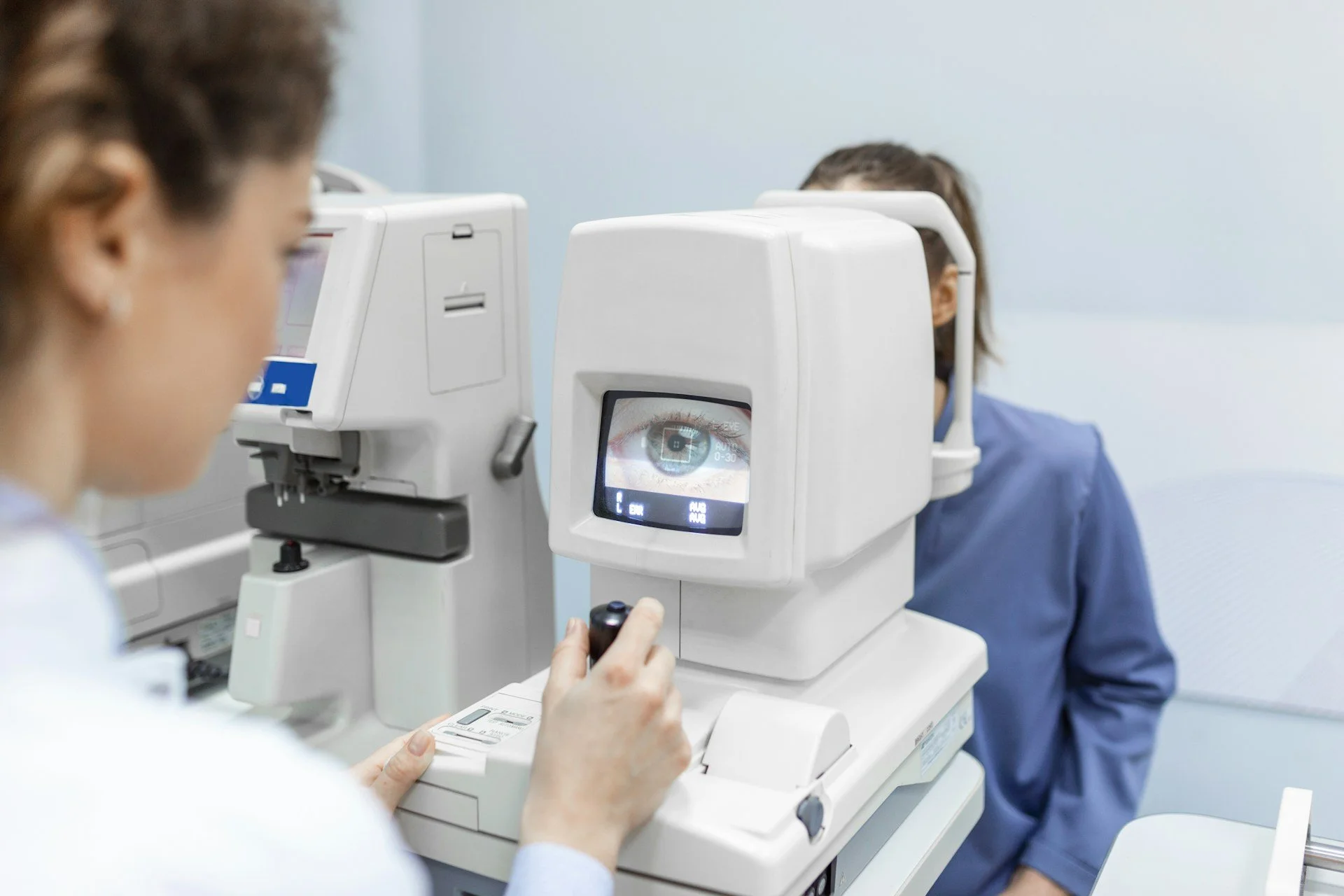
An eye exam involves several steps designed to evaluate different aspects of your vision and eye health. Typically, these exams start with a discussion about your medical history and any vision problems you might be experiencing. Then, the optometrist performs a series of tests:

1. Visual Acuity Test: This is the familiar test where you read letters on a chart. It determines how well you see from a distance and up close.

2. Refraction Assessment: You’ll be asked to look through a device called a phoropter to find out the exact prescription for your glasses or contact lenses.

3. Eye Muscle Test: This checks for problems with eye movement and alignment.

4. Pupil Response Test: The doctor checks how your pupils respond to light to ensure they react correctly.

5. Field of Vision Test: This measures your peripheral vision and helps detect issues like glaucoma.

These tests are not just about correcting your vision with glasses or contacts. They help detect other problems that might not yet show symptoms. Knowing what happens during these exams can ease any anxiety and give you a clearer picture of your eye health needs.

Understanding Your Results

Once the tests are finished, it’s time to look at your results. Understanding what they mean is important, as it guides you on what steps, if any, to take next. Here’s a breakdown of common findings:

- 20/20 Vision: This is considered normal vision. It means you can see at 20 feet what most people can see at that distance, ensuring your vision is perfect without correction.

- Nearsightedness (Myopia): This means that objects near you are clear, but faraway things appear blurry. It usually requires corrective lenses for activities like driving.

- Farsightedness (Hyperopia): Here, distant objects are clear, but nearby objects are blurry. You might need reading glasses if this is the case.

- Astigmatism: This condition causes blurred vision at all distances due to an irregular shape of the eye's cornea. Corrective lenses often help solve this issue.

By understanding these terms and what they mean for your eyesight, you can discuss your options with your eye doctor. Knowing what your results mean allows you to make informed decisions about necessary treatments or lifestyle adjustments to protect your eyesight.

Special Tests and What They Reveal

Beyond the basic tests lies a deeper insight into your eye health. Special tests like glaucoma screening and retinal exams provide valuable information that might not be immediately apparent. For instance, a glaucoma screening can catch pressure changes in the eye that could indicate potential problems long before symptoms show up. Since glaucoma often develops without noticeable signs, catching it early through these tests can prevent long-term damage.

Retinal exams are another critical component, providing a window into more than just your eyes. They can detect conditions like diabetic retinopathy or macular degeneration, where early intervention is crucial. These exams involve looking at your retina to ensure that it remains healthy and functions as it should. Sometimes, these tests utilize advanced imaging techniques, allowing eye doctors to see the very back of your eye clearly.

By understanding the significance of these tests, you gain awareness of your overall eye health and identify issues early, keeping serious conditions at bay. Discuss any questions or concerns with your eye doctor during your next visit, setting you on the path to maintaining optimal vision.

What to Do After Your Eye Exam

Once you've decoded your eye exam results, it’s time to consider your next steps. Here's a simple guide on what you might do afterward:

- Get Prescriptions Filled: If you need glasses or contacts, get your prescription filled promptly. It ensures you have the visual support needed for daily activities.

- Consider Lifestyle Adjustments: Depending on your diagnosis, lifestyle changes such as reducing screen time or adjusting lighting while reading may be advised.

- Schedule Follow-Up Appointments: Don’t wait until your next yearly checkup. If you experience any unexpected changes or have questions about your eyes, arrange a follow-up appointment.

Maintaining regular eye exams is crucial for keeping your vision sharp. An eye exam provides a snapshot of your eye health today and helps predict how it might change in the future. Responsive care ensures long-term vision happiness.

See Clearly with Eye Florida

Understanding your eye exam results allows you to make informed choices, ensuring that your vision remains a top priority. Comprehending the tests and their findings prepares you for conversations with your eye doctor and helps you decide on treatments that benefit your vision and lifestyle. If you’re in Orlando and need a reliable partner to guide you through your eye health journey, look no further. With ongoing care and an understanding of your unique needs, you can keep your eyes healthy and your vision strong.

If you're looking to maintain your eye health and understand your vision better, explore eye exams in Orlando offered by Eye Florida. By visiting the routine care section, you can learn more about the comprehensive eye exam services available. Whether you’re updating your prescription or checking for eye conditions, you can be confident that your needs are met with personalized attention and expertise.
Eye Florida
Protecting Your Vision with Diabetes: Prevention Strategies

Living with diabetes requires a lot of care and attention, especially when it comes to protecting your eyesight. Many people don’t immediately connect diabetes with vision problems, but the link is quite significant. High blood sugar levels can damage delicate blood vessels in your eyes, leading to serious conditions. Understanding this connection is crucial for anyone living with diabetes, especially in sunny places like St Cloud, FL, where eye health can be affected by seasonal factors as well. By taking preventive measures and staying informed, you can greatly reduce the risk of developing vision complications.

Preventing complications related to diabetic eye health isn't as daunting as it may seem. You can safeguard your vision by adopting manageable lifestyle changes and scheduling regular check-ups. Having a solid plan in place helps maintain not only stable vision but overall well-being too. This article will guide you through understanding how diabetes affects your eyes and the strategies you can use to protect your vision effectively.

How Diabetes Affects Your Vision

Diabetes can influence your eyesight in various ways, primarily through conditions like diabetic retinopathy, glaucoma, and cataracts. Each of these conditions stems from how high blood sugar levels weaken blood vessels in the eyes. Diabetic retinopathy, for instance, is when these weakened vessels leak fluid or bleed, affecting the central vision. Glaucoma involves increased pressure in the eye, which can damage the optic nerve. Cataracts, on the other hand, cause the eye’s lens to become cloudy, blurring vision.

The impact of high blood sugar levels on eye health can't be ignored. When blood sugar remains elevated, it leads to swelling in the eye's lens or changes the shape of structures in the eye. This can cause common symptoms like blurry vision, dark spots, or even pain in the eyes. Knowing these symptoms and getting them checked early can make a big difference.

Watching for early signs is essential. Here are some symptoms to look out for:

- Blurred or fluctuating vision

- Dark or empty spots in your field of vision

- Difficulty seeing colors or halos around lights

- Increased sensitivity to glare

Catching these conditions early through regular eye exams can help manage their progression and preserve your vision. Adopting a proactive approach in watching for these signs ensures you can take action before serious issues arise. Staying informed about symptoms and understanding their causes can prevent the unseen damage that diabetes might inflict on your vision.

Benefits of Regular Diabetic Eye Exams

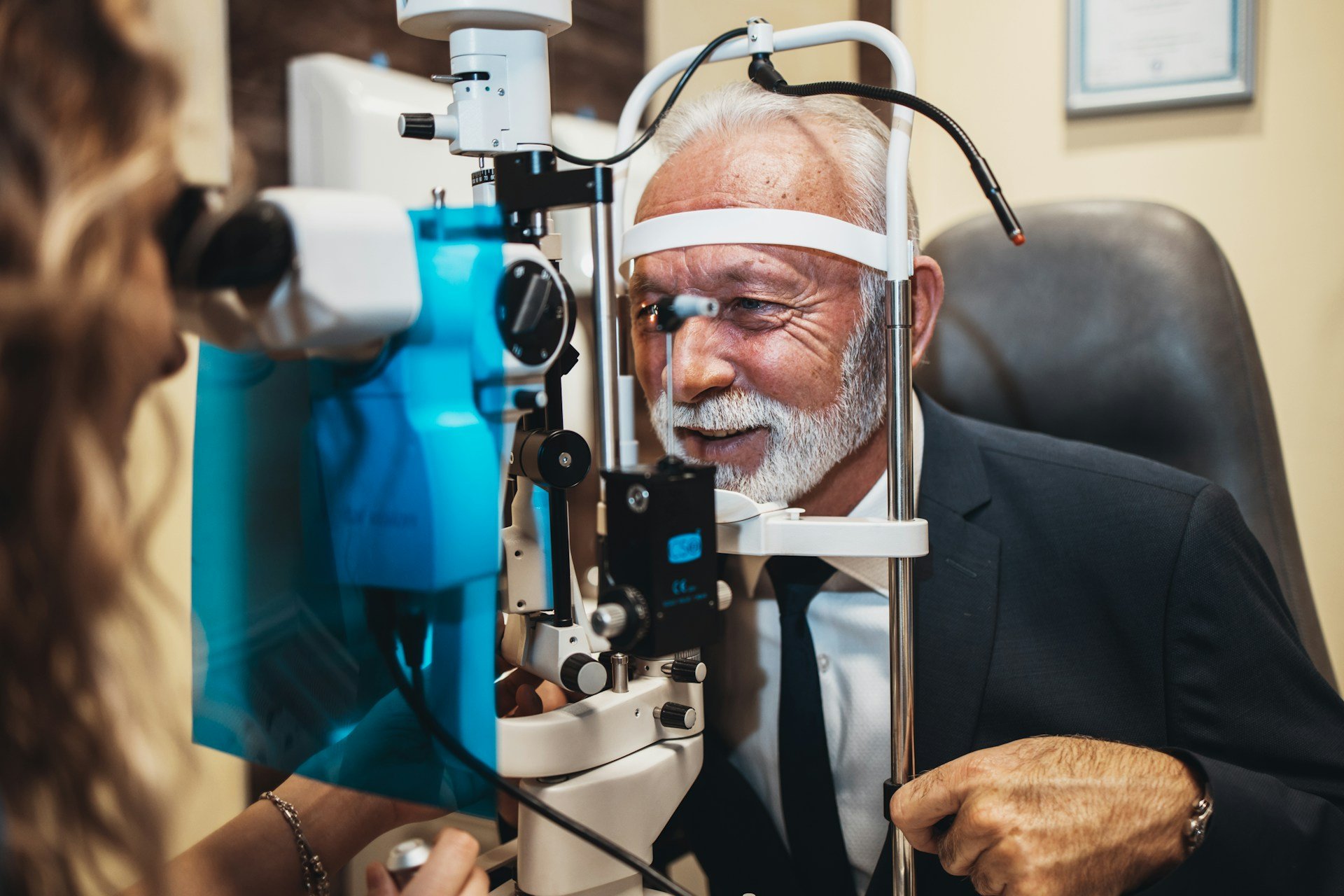
Getting regular eye exams plays a major role in protecting your sight when you have diabetes. Early detection and continuous monitoring through these exams help catch any problems before they become severe. During a diabetic eye exam, the specialist will check for signs of potential issues like diabetic retinopathy, glaucoma, or cataracts. Eye exams often include checking visual clarity, examining eye pressure, and possibly dilating the pupils for a closer look at the retina.

Knowing how often you should see an eye specialist is important. For most adults with diabetes, an annual check-up is recommended, but your doctor might suggest more frequent visits if there are existing eye issues or other risk factors. Staying on track with these appointments is a simple, yet impactful, way to maintain eye health and ensure any changes are addressed quickly. Regular examinations not only preserve your vision but also provide peace of mind knowing you’re proactively managing a significant aspect of your diabetes care.

Prevention Strategies to Protect Your Vision

Managing your diabetes effectively is key to keeping your eyes healthy. Keeping your blood sugar levels in check helps reduce the risk of eye complications. This can be achieved by consistently monitoring your glucose levels and following any prescribed medication plans. A few lifestyle adjustments can make a big difference in preventing vision problems.

Here are some easy strategies to keep your eyes protected:

- Follow a balanced diet that includes plenty of fruits and vegetables. Foods rich in omega-3 fatty acids, like fish, are great for eye health.

- Stay active by incorporating regular physical activity into your daily routine. Exercise can help maintain healthy blood sugar levels and improve circulation, which benefits eye health.

- Protect your eyes from UV rays by wearing sunglasses outdoors. This is particularly important in sunny regions like St Cloud, where exposure to sunlight is high.

- Avoid smoking, as it can increase the risk of various eye conditions linked to diabetes.

Implementing these prevention strategies can help you take charge of your vision health, minimizing the impact diabetes has on your eyes.

Tips for Managing Your Eye Health in St Cloud, FL

Living in St Cloud, FL, comes with its own set of factors when it comes to managing eye health. The sunny climate means more exposure to UV rays, which makes wearing sunglasses a must. They shield your eyes from harmful rays and reduce the risk of developing eye conditions.

Consider exploring local resources and support groups that offer assistance and education for managing diabetes. Such resources can provide valuable support and motivation to keep your health on track. To find an eye care specialist familiar with diabetic needs, consider asking for recommendations at local health centers or looking for specialists with experience in diabetic eye care.

By tailoring your approach to the unique aspects of your environment in St Cloud, you can create a supportive and effective plan for maintaining your vision health amid the challenges diabetes presents.

Take Action for Healthier Vision Today

Creating a proactive plan for eye health today makes a big difference in safeguarding your future sight. Regular eye exams, healthy lifestyle choices, and consistent blood sugar management are all steps towards protecting your vision. By understanding and implementing these strategies, you can minimize the impact diabetes may have on your eyes.

Consider making it a priority to address any vision concerns promptly, ensuring you’re always one step ahead in managing your eye health. Take charge of your health and maintain a clear view for years to come.

To keep your eyes in top condition while managing diabetes, don't overlook the importance of regular check-ups. Discover more about the benefits of scheduling diabetic eye exams with Eye Florida. By making proactive choices, you can help ensure your vision remains clear and healthy for years to come. For additional information on supporting your eye health, book an appointment today.

Eye Florida
Botox Questions Answered: What St. Cloud Residents Want to Know

Botox, a household name in cosmetic treatments, has become increasingly popular for its quick and effective results. Known for reducing the appearance of wrinkles and fine lines, Botox is often the go-to solution for those seeking a more youthful appearance. However, its applications aren't limited to just cosmetics. Many St. Cloud residents find themselves curious about Botox for various reasons, ranging from cosmetic enhancements to medical treatments.

Residents of St. Cloud often have several questions about Botox before they consider undergoing this treatment. Queries typically revolve around what exactly Botox is, how it works, and whether it's suitable for their needs. This article aims to illuminate these points and answer the pressing questions that locals have about Botox treatments. Whether you're thinking about using Botox for fine lines or exploring its medical applications, understanding the process can help you make informed decisions.

What Is Botox and How Does It Work?

Botox is a purified protein derived from the bacterium Clostridium botulinum. Despite its intimidating origin, when administered in tiny amounts, it can provide significant benefits. Primarily, Botox works by temporarily blocking the nerve signals to certain muscles, causing them to relax. This relaxation helps smooth out the skin and reduces the appearance of lines, especially the ones formed from repetitive facial movements.

In terms of applications, Botox is mostly used for cosmetic purposes. It targets areas like the forehead, around the eyes (commonly known as crow’s feet), and between the eyebrows. While these are the most common uses, Botox is also employed for treating medical conditions such as migraines, excessive sweating, and certain muscular disorders, highlighting its versatility.

Over time, Botox has become a trusted option for those aiming to maintain a youthful appearance without resorting to more invasive procedures. Its effects are temporary, lasting around three to four months, which allows individuals the flexibility to decide how often they want to undergo treatments.

Who Can Benefit From Botox Treatments?

Botox treatments are suitable for a wide range of individuals. Ideal candidates typically include adults over the age of 18 who are looking to address cosmetic concerns such as fine lines and wrinkles. But Botox isn't just for those with wrinkles. Younger individuals sometimes opt for it as a preventative measure, while others seek Botox to tackle medical issues.

Here are some common reasons people consider Botox:

- Smoothing out facial lines and wrinkles.

- Preventing the early signs of aging.

- Reducing chronic migraines.

- Managing excessive underarm sweating.

Before proceeding with Botox, potential patients in St. Cloud should consider a few factors. It is important to have a clear discussion with a healthcare provider to determine if Botox meets their specific needs. Candidacy might also depend on one's medical history, current medication, or any conditions that might interact with Botox. By addressing these points beforehand, individuals can approach Botox treatments with confidence and clarity.

What to Expect During and After the Procedure

For those new to Botox, understanding the process can help ease any apprehensions. When you schedule a Botox appointment in St. Cloud, expect a straightforward and relatively quick procedure. Typically, a Botox session begins with a brief consultation where you’ll discuss your goals and any concerns with the healthcare provider. During this consultation, the provider will determine the appropriate areas for the injections to achieve the desired results.

The actual Botox injection process is efficient. The provider will use a tiny needle to administer the treatment to the targeted muscles. Most people experience minimal discomfort, similar to a pinprick. The good news is that the procedure usually takes only about 10 to 20 minutes, making it easy to fit into a busy schedule.

Post-treatment care is simple and requires only a few precautionary steps. Patients are advised to avoid lying down or applying pressure to the treated areas for several hours after the procedure. It is also recommended to steer clear of rigorous exercise and heat exposure on the day of the treatment. These measures help ensure the best possible outcome from the Botox injections.

Common Questions About Botox in St. Cloud

When considering Botox, many individuals have specific questions they need addressed to feel comfortable moving forward. Here are some frequently asked questions:

- How long do the results last? Usually, Botox results become noticeable within a few days and can last three to four months, depending on the individual and the area treated. Regular maintenance sessions are necessary to sustain the effects.

- Are there any side effects or risks? As with any medical procedure, there are potential side effects, but they are typically mild and temporary. Common side effects include minor swelling, redness, or bruising at the injection site. Discuss any concerns with your provider to fully understand the risks.

- How often should you get Botox? It varies based on personal goals and how quickly the effects fade. Many opt for treatments every three to four months to maintain a consistent look.

Stay Confident with Botox in St. Cloud

Botox offers numerous benefits, from erasing years of facial lines to addressing medical concerns like chronic migraines. This flexibility allows individuals to tailor treatments to their unique needs. With each session, Botox users often find a renewed sense of confidence and satisfaction in their appearance.

For those in St. Cloud considering Botox, talking to a knowledgeable provider ensures you get personalized advice and care. They can guide you through the process and help determine the best plan for achieving your desired results. Whether for cosmetic reasons or to explore its therapeutic benefits, Botox remains a valuable option for many seeking non-surgical enhancement.

Considering Botox for its flexibility and benefits? Dive into how botox treatments in St. Cloud can seamlessly fit into your aesthetic needs and medical considerations by exploring the options at Eye Florida. Discover personalized advice and expert care to help you look and feel your best.

Eye Florida