
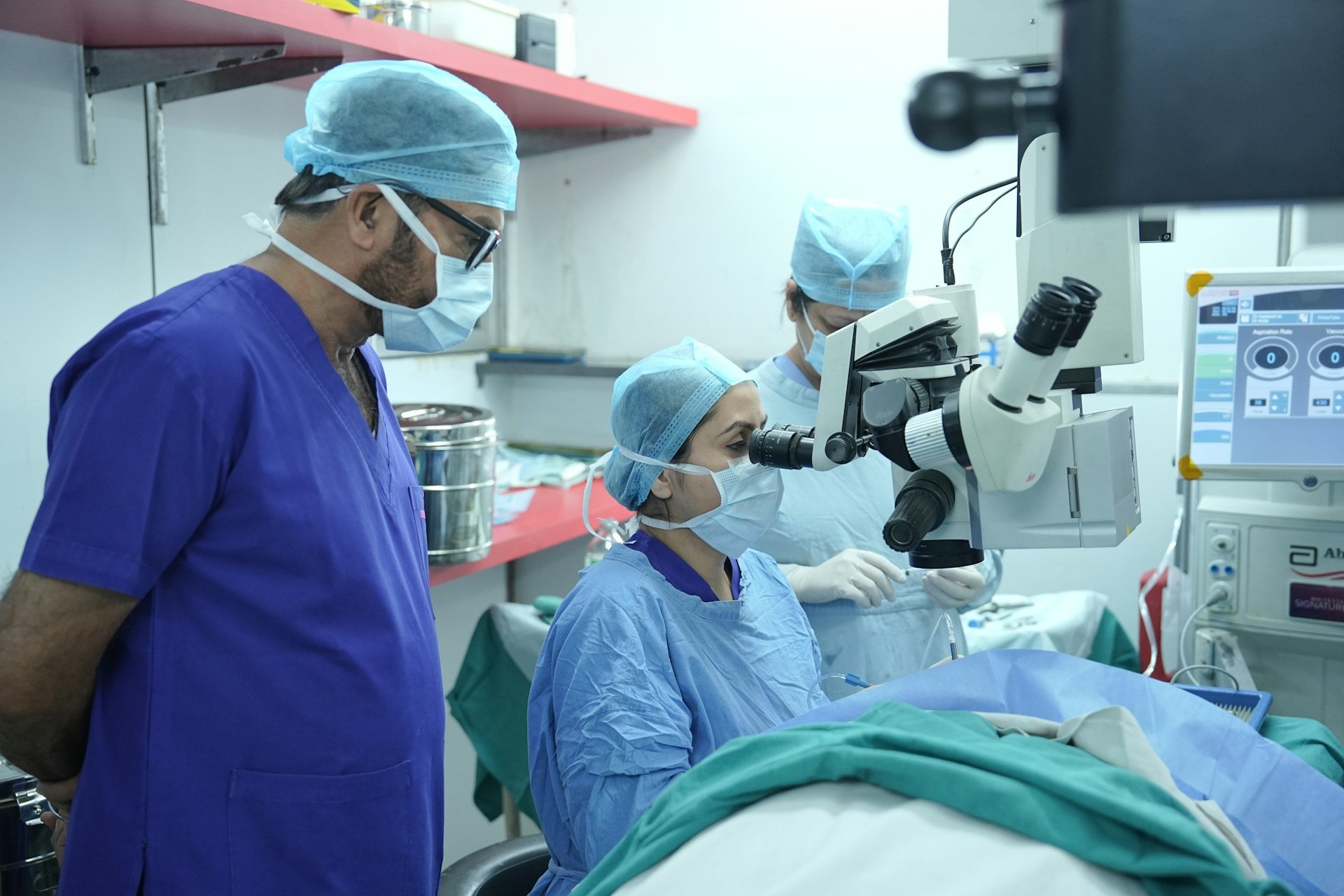
Steps to Prepare for Cataract Surgery in Central Florida This Season

Spring is a popular season for cataract surgery in Central Florida. With more daylight, warmer temperatures, and outdoor activities picking up, many people choose this time of year to schedule the procedure. If you’ve been told that it’s time to plan for surgery, it's normal to have questions about what needs to happen before the big day.

Getting prepared might feel like a lot at first, but breaking it down makes it easier to manage. Knowing what to expect in the weeks and days before surgery can help lower stress and help everything go more smoothly. From doctor visits to small changes around the house, here are the basic steps to help you feel ready.

Know Your Surgical Timeline

Once a cataract diagnosis is made, the first step is usually setting a surgery date. Since spring is a common time for appointments in St Cloud, FL, it’s a good idea to talk with your doctor early about timing. Availability can vary depending on the clinic and how many other procedures are scheduled.

  • Ask about the general wait time for surgery during this season

  • Check whether any lab work or tests must be completed beforehand

  • Coordinate with your calendar so you don’t have to rush recovery

It helps to block off time where you won’t need to drive or handle chores like shopping or lifting. If you’re working, ask about how many days off you may need. And if you rely on others for transportation, let them know your date and location well in advance.

Eye Florida uses advanced diagnostic imaging, such as optical coherence tomography (OCT), to precisely assess your eyes before recommending cataract surgery.

Prepare Your Eyes and Health Before Surgery

Your doctor will likely give you instructions to prepare in the days before cataract surgery. This can include eye drops, medication changes, or temporary limitations on what you eat or drink.

  • Take any pre-surgery eye drops exactly as directed to reduce infection risk

  • Double-check whether you should stop certain medications beforehand

  • Follow instructions about not wearing makeup or lotions near your eyes

Spring can bring a little extra irritation if you live in St Cloud, FL. Higher pollen levels might already make your eyes more sensitive. If you're prone to allergies, your pre-surgery care might include steps to help keep your eyes calm, like sticking to indoor spaces or using allergy-friendly air filters at home.

It’s always wise to ask questions about anything that’s unclear before your surgery date arrives. Before you make changes to your medications, bring your full prescription list to every care appointment. That way, your care provider can explain which medicines are safe to stop or continue. If you use drops for conditions like glaucoma, mention these so your doctor can make the safest plan.

Get Your Home Ready for Recovery

You won't feel unwell after cataract surgery, but your eyes will need rest. That means setting up a space where you can relax without strain or unnecessary distractions.

  • Choose a bright but not overly sunny spot inside for your recovery chair or bed

  • Have artificial tears, soft tissues, and a clean washcloth within reach

  • Prepare meals ahead of time, or ask someone to help with food

If your home has pets or kids, give them their own safe zones to lower the chance of someone bumping your face or touching your eyes accidentally. It’s also a good idea to make sure your space is clean and clutter-free so you're not navigating obstacles once your vision is adjusting.

Label anything that might be challenging to see without your usual eyesight, such as step-downs or kitchen tools. Move sharp or breakable items out of the way so you can rest comfortably. Reach for light blankets and extra pillows to make your rest space cozier as your body heals.

Confirm What to Do the Day Before and Morning Of

Your clinic or specialist should give you printed instructions or a reminder call a day or two before surgery. Hold on to these and check off each task so you’re not scrambling at the last minute.

  • No eating or drinking may be required after a certain time the night before

  • Avoid scented products like perfumes or lotions near your face

  • Bring ID, insurance cards, paperwork, and sunglasses for going home

Most people will not be able to drive themselves home after the procedure. That means someone you trust needs to be listed as your ride and available during the entire appointment. Make sure they know exactly where to pick you up and what time to expect.

If you use contact lenses, ask ahead if you should stop wearing them before your surgery. Wear loose, comfy clothes without zippers or buttons near the collar so changing is easy and quick. Don’t forget to bring a case for your glasses or any medications you might need while waiting for discharge.

What to Expect from Spring Recovery in Central Florida

After surgery, your eye will still be adjusting to new vision. That means you might feel extra sensitive to light or more aware of brightness in your surroundings. Recovery in spring looks a little different than recovery during other seasons.

  • Always wear sunglasses outside to protect your eye from strong UV rays

  • Skip yard work, especially mowing or gardening, until cleared by your doctor

  • Keep indoor air clear by running filters and avoiding fans that stir up pollen

Even light activity like walking is fine as long as it doesn’t raise your risk of bumping your head or getting debris in your eye. When in doubt, rest more than you think you need and listen to your doctor if something feels off.

Keep a backup pair of sunglasses handy in your car and at the door. If you start to notice itching or watery eyes, mention this at your follow-up visit, since spring allergies could be at play. Avoid bending, lifting heavy objects, or sleeping on the side of your operated eye for the first week. It’s okay to ask for extra help with shopping or errands so you can focus on your recovery.

Eye Florida provides premium intraocular lens choices and detailed post-surgical instructions specific to each patient's needs to support an easy, safe recovery.

Looking Ahead to Clearer Days

We understand that preparing for cataract surgery isn’t just about the medical side. It’s about making space in your life and your home to recover well and feel comfortable. Good preparation goes a long way in helping your body heal.

This season in Central Florida is already full of bright skies and longer days. When you prepare ahead of your surgery, you give yourself more time and comfort to enjoy them with less strain and more clarity.

Preparing for surgery in St Cloud, FL this spring means understanding the support you’ll receive after your procedure. Our care team at Eye Florida is here to answer your questions, guide you through recovery, and explain each step of the process. For anyone considering cataract surgery in Central Florida, we’re ready to walk you through our surgical care options. Reach out today to schedule an appointment or learn what to expect before and after surgery.

SurgeryEye Florida
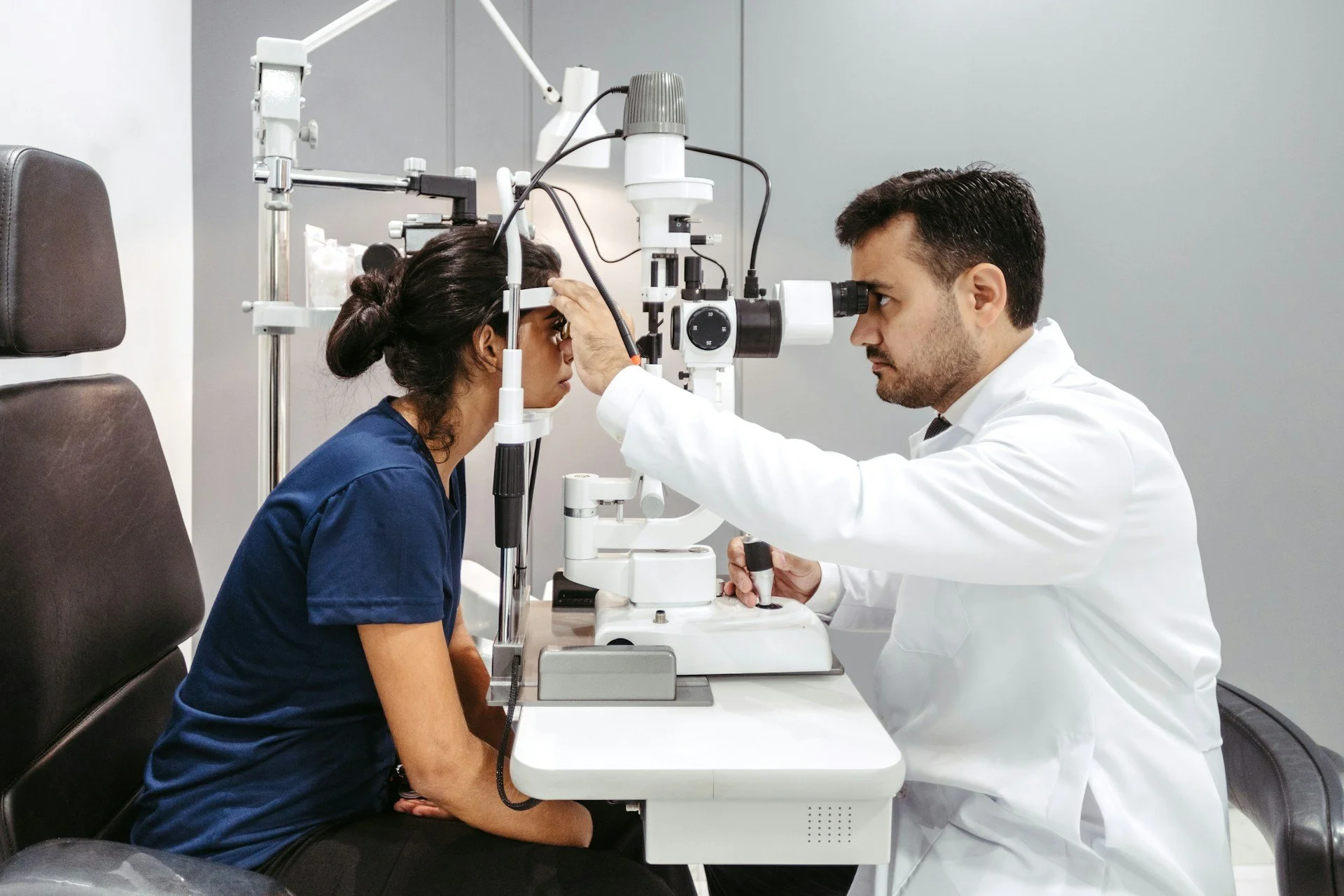
Everything to Know About an Eye Clinic in Kissimmee This Spring

Spring is a beautiful time in Kissimmee. By April, longer days and warmer air draw more of us outside. The trees are fuller, the sun feels more direct, and pollen starts floating through the breeze. While these shifts make local parks and trails more inviting, they can also make your eyes feel extra tired or irritated.

A quick walk or a few hours in the yard might leave you squinting or rubbing your eyes. Bright light mixes with dry air and allergens, which can affect how your eyes feel from morning to evening. That’s where visiting an eye clinic in Kissimmee can help. Getting ahead of seasonal changes makes it easier to keep your eyes feeling good through the spring months.

What to Expect During a Spring Visit to an Eye Clinic

Spring brings more than just flowers and warm weather. For many people, it also brings dry eyes, puffiness, and new light sensitivity. A spring visit to an eye clinic takes those things into account.

  • We usually look at how your eyes are handling the sudden shift in lighting and outdoor conditions

  • Eye exams during this time may focus more on dryness, allergies, and any early signs of irritation

  • We ask about time spent outdoors, how your eyes feel after those activities, and if you notice any new discomfort

In Kissimmee, pollen often peaks in early to mid-spring. That can hit hard, especially if you already deal with contacts or screen fatigue. A visit helps us look for patterns and adjust care based on what spring tends to stir up here. That way we can spot small problems before they start affecting your vision or comfort long-term.

Eye Florida provides personalized spring eye care, including solutions for dry eye, eye allergies, and custom recommendations for contact lens wearers at our Kissimmee location.

Why Spring Weather Matters for Eye Comfort

Humidity, wind, and temperature shift quickly this time of year. Even within a single day, your eyes might go from damp and relaxed in the morning to dry and strained by afternoon. That’s not just your imagination, spring weather patterns directly affect your eyes.

  • The jump in heat and sunlight can dry out your eyes if you're outside often

  • Wind picks up pollen and dust, blowing it into your face, lashes, or lenses

  • Higher UV levels mean stronger reflections from pavement, water, and cars

Even a short time outside without protection can change how your eyes feel later in the day. If you live in Kissimmee and wear lenses, walk a lot, or have sensitive eyes in general, spring conditions may affect you more than other seasons.

We offer prescription sunglasses, dry eye evaluation, and treatments to help shield your eyes from spring's environmental triggers.

Common Eye Symptoms in Kissimmee During Spring

Spring in Kissimmee doesn’t feel extreme, but the symptoms it creates can be bothersome. Some people feel the effects right away. Others don’t notice until dry or blurry vision becomes common.

  • Allergies may show up as itchy or watery eyes, even when you’re indoors

  • Some people experience scratchiness from dry air or swelling due to pollen

  • Light sensitivity often increases, especially near midday or after outdoor exposure

If you spend time on screens, these symptoms may combine with digital eye strain. The end result is eyes that feel tired earlier, harder to focus with, or extra irritated before bed.

During spring, these symptoms may take on a pattern. You may notice that your eyes feel fine in the early morning but get steadily worse through the day, particularly after time spent outside or using digital devices. For contact lens wearers, springtime discomfort can show up sooner than expected. Lenses can trap allergens and make dry air feel even more pronounced, leading to gritty or sticky sensations well before your normal replacement schedule.

Preparing for Outdoor Time the Smart Way

Spending time outside doesn’t have to make your eyes miserable. With just a little planning, you can keep your outdoor routine while protecting your vision. The idea is to reduce what reaches your eyes before discomfort builds.

  • Wear wraparound sunglasses that can block both UV rays and wind

  • Rinse your face and eyelids when you come inside to remove pollen that sticks to skin or lashes

  • Keep a small bottle of preservative-free drops or artificial tears if dry air tends to affect you

Try to take short breaks in shaded areas or look down occasionally when the sun feels overbearing. This gives your eyes a chance to relax without needing to go indoors completely.

Practical habits like these can help minimize how much pollen or debris gets near your eyes in the first place. Wraparound sunglasses not only shield against sunlight but also act as a barrier against wind and airborne irritants. Cleansing your face and eyelids after being outside reduces allergy triggers, while lubricating drops help restore moisture lost to exposure and heat. Remember, the key is consistency, making these tasks a regular part of your routine during spring can make a difference in your daily comfort.

When to Visit an Eye Clinic for Help

Sometimes no matter how careful you are, your eyes still feel off during spring. That’s not a reason to tough it out, it's a good time to get checked.

  • If you’re rubbing your eyes often or waking up feeling like your lashes are glued shut, it's worth getting it looked at

  • Contact lens users may notice their eyes feel gritty or dry much sooner in the day

  • Blurry vision that doesn’t clear up after rest can suggest something more than seasonal irritation

The value of working with an eye clinic in Kissimmee is knowing we understand how spring works here. We look at how heat, pollen, sun, and schedule changes all affect your comfort. If dryness, allergies, or brightness are wearing on you, we can help you manage it before it becomes something more serious.

At Eye Florida, our team is experienced in treating spring-specific eye issues with advanced diagnostics and a range of in-office and at-home treatment options to keep your eyes healthy.

Symptoms that persist or become more severe could signal an underlying issue that needs professional care. Early evaluation can make it easier to get relief with simple treatments, rather than waiting until irritation becomes disruptive to your daily life.

Give Your Eyes the Best Start This Season

Spring is a time when many people in Kissimmee start spending more hours outside, enjoying the weather. As that happens, those little shifts in air and light can catch you off guard. Your eyes may feel more tired, more sensitive, or harder to manage at the end of the day. Recognizing those signs early and adjusting your habits can go a long way.

You don’t have to avoid the outdoors or struggle through squinting. A few smart adjustments and the right kind of care can keep your eyes feeling sharp and comfortable all spring. When the weather starts to shift, think of it as a reminder, it’s time to check on your vision too.

As spring brings warmer air, more pollen, and stronger sunlight, you may notice your eyes feeling more sensitive in Kissimmee, FL. A quick visit to an eye clinic in Kissimmee can help identify the cause of your new symptoms and offer solutions to keep you comfortable. At Eye Florida, we’re here to help you get the care you need before irritation affects your day, call us to schedule your visit today.

OphthalmologyEye Florida
How IV Hydration in Orlando Supports Eye Health in Early Spring

Spring feels a little different in Orlando. The air warms early, flowers start blooming fast, and warm afternoons become more common. Even if we don’t always notice, these small seasonal shifts can change how our bodies feel too, including our eyes.

Some people in Orlando look for ways to stay ahead of seasonal changes with basic wellness support. One option that has grown in popularity is IV hydration. While it’s often used to help with energy or recovery, IV hydration in Orlando may also play a small part in how our bodies, and our eyes, respond to things like extra sun, dry air, or spring allergens.

Staying hydrated helps the body feel balanced, and that includes moisture and comfort in the eyes. As early spring brings new challenges, it may help to take a closer look at how hydration connects to eye health during these changing months.

How Seasonal Changes Affect Eye Comfort in Orlando

Spring gets a jump start in Orlando long before other places start to defrost. By late March, we’re already seeing more sun, longer daylight hours, and sudden bursts of plant growth. That growth kicks up a lot of pollen, especially from trees and grasses.

All of this makes early spring one of the busiest times for the body to adjust. We may squint more during outdoor walks and feel the effects of long afternoons in the sun. At the same time, windy days and low humidity can create a dry feeling that hits the eyes first.

When the air changes, the eyes can dry out faster. You might notice:

  • Eyes that feel gritty or itchy after being outside

  • Increased blinking or squinting mid-day

  • A burning sensation that doesn’t go away, even with rest

Dehydration may not be the main cause of these symptoms, but it doesn’t help. When the body doesn’t get enough fluids, the eyes may produce fewer tears or feel less protected against wind and allergens. Add pollen into the equation, and irritation can build up quickly.

The Role of Hydration in Everyday Eye Moisture

The surface of the eye needs moisture to function well. Tear film (the layer that covers the eye) helps protect against dry air, dust, and wind. Without enough tear production, the front part of the eye can get irritated and tired quickly.

Water plays a key part in producing tears. When we’re not drinking enough, even by a small amount, the effects can show up in subtle ways. The eyes may become fatigued faster, or feel more sensitive to light and wind.

Here’s how hydration helps:

  • It supports tear production, which keeps eyes feeling comfortable

  • It helps flush out irritants and keeps tissues healthy

  • It keeps the whole body in a better place to manage outdoor exposures

Choosing fluids like water, herbal teas, and foods with a high water content can help keep hydration levels more steady. When those options aren’t enough, some people turn to IV support, especially when recovering from allergies, travel, or minor illness.

How IV Hydration Supports Overall Wellness in Spring

The biggest benefit of IV hydration is simple. It gives the body fluids directly, instead of waiting for drinks and food to be absorbed slowly. IV hydration in Orlando is used by locals for a lot of reasons, especially during seasons when the body is under more stress.

People might look into IV support after a long trip, a bad allergy week, or just feeling run-down between weather shifts. Spring in Orlando can hit unexpectedly with thick pollen, changing temperatures, and increased outdoor time.

When the body gets more support through hydration and nutrients, small systems like tear production may work better too. It’s part of the bigger picture:

  • Restoring fluids quickly may improve how the body rebalances after major exposure

  • Keeping internal hydration steady may protect the eyes from feeling scratchy or dry

  • Supporting general wellness may help the body respond better to allergens

While IV hydration isn’t directly targeting the eyes, people who feel better overall may notice the difference in their eye comfort too.

Eye Florida offers IV hydration therapy as one of our supportive treatments, with options that can include vitamin boosts or gentle hydration formulas specifically designed to aid recovery from outdoor stressors, allergies, or minor illness.

Small Spring Habits That Can Support Eye Health in Orlando

Spring doesn't need to be tough on the eyes. A few small habits can make daily life more comfortable when the weather starts moving fast.

  • Wear sunglasses that block both light and wind

  • Try to limit time outside during peak pollen hours, like morning and early afternoon

  • Wash your face and eyelids after being outdoors to gently remove irritants

  • Use a clean, damp cloth to cool irritated eyes at the end of the day

Inside, give your eyes small breaks too. When screen time adds up, it can make tired eyes feel worse. Blinking less often during focused tasks may dry them out sooner than you expect.

  • Adjust screen lighting to reduce strain

  • Use a humidifier if indoor air is dry

  • Take mini breaks to close your eyes for a few seconds every hour

Don’t forget one of the easier habits: staying hydrated. Drinking fluids steadily throughout the day can support not just your energy, but also your eye comfort. IV hydration may be worth considering if other options just aren’t working or you’re dealing with back-to-back spring stressors.

Eye Florida provides comprehensive care for those struggling with seasonal eye issues, offering guidance on eye comfort strategies and hydration along with other preventive services.

Keep Your Eyes Comfortable and Clear This Spring

Early spring in Orlando brings sunlight, fresh blooms, and longer afternoons. It also brings small shifts we don’t always notice right away. Scratchy eyes, dry air, and extra pollen can all make their way into your daily routine faster than expected.

That’s why it helps to pay attention before small discomforts start to build up. Staying hydrated, both by drinking water and considering support like IV hydration in Orlando, may help your eyes respond better to spring’s changes. With a few smart habits and early awareness, it’s easier to stay comfortable and enjoy the season ahead.

At Eye Florida, we understand how changes in the season can leave your eyes feeling dry or tired, especially when you’re spending more time outdoors. Supporting your body with steady hydration makes a real difference, and some find that options like IV hydration in Orlando provide a helpful boost after allergy flare-ups or travel. Staying comfortable often starts with smart habits and quality care. We’re here to help your eyes feel their best throughout the season. For personalized support with eye health this spring, contact us today.

Eye Florida