
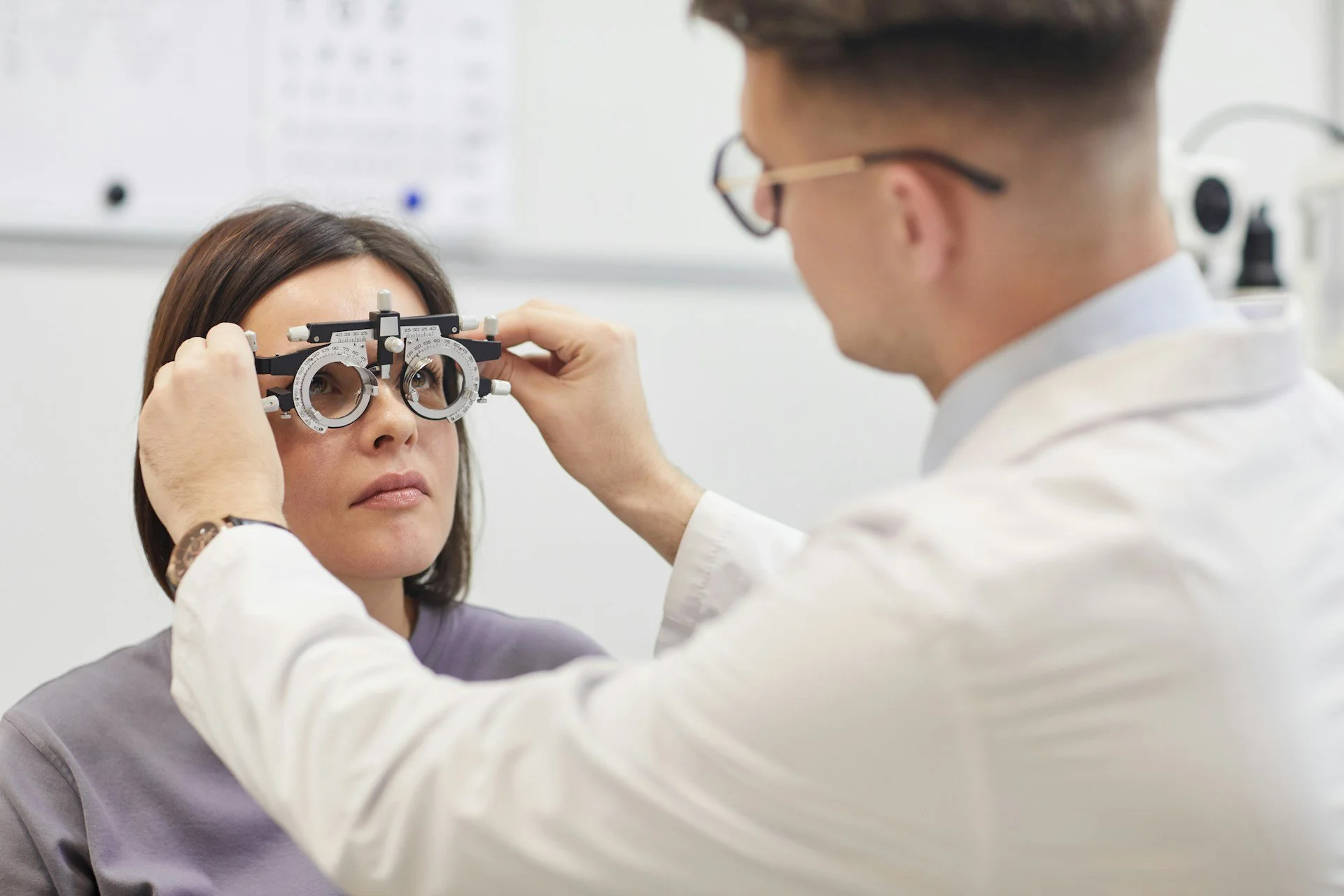
Comparing St Cloud Eye Clinic Options for Active Adults

Finding the Right St. Cloud Eye Clinic for an Active Lifestyle

Good vision makes it easier to enjoy the active life we have here in Central Florida. Fall is a busy time. School is back in session, sports leagues start up, and many people begin planning holiday trips. This is also a smart season to pause and ask a simple question: does your eye care really match the way you live?

If you love golf, pickleball, walking the lakefront, boating, or weekend travel, your eyes work hard. Clear, comfortable sight helps with safe night driving, tracking a ball in bright sun, and dealing with glare off water or wet roads. Choosing the right St. Cloud eye clinic is not only about seeing the eye chart. It is about protecting your long-term eye health so you can stay active, safe, and confident in all the things you enjoy.

In this article, we will walk through what active adults tend to need from eye care, what to compare when looking at local clinics, and how to think about convenience, technology, and experience.

What Active Adults Need From Vision and Eye Health Care

As we move through our 40s, 50s, and 60s, our eyes start to change. This is normal, but it can catch people off guard. Many active adults notice that small print is harder to see at arm’s length. Menus, phone screens, or scorecards may start to blur. This is called presbyopia, and it happens because the lens inside the eye gets less flexible.

Other common changes include:

  • More glare and halos around headlights at night  

  • Dry, tired, or burning eyes after a day of screen time  

  • Slower adjustment when you walk from bright sun into a dim room  

  • Trouble telling the difference between similar shades or contrast

Along with these everyday changes, the risk of certain eye diseases grows with age. Conditions like cataracts, glaucoma, and macular degeneration often develop slowly. In the early stages, many people do not notice anything. By the time symptoms show up, some damage may already be present. That is why regular, careful eye exams matter so much for active adults.

Living in Central Florida adds a few extra layers. We deal with:

  • Strong sunlight and UV exposure most days of the year  

  • Humidity and seasonal allergies that can irritate eyes  

  • Glare from water while boating or fishing  

  • Rapid changes in light and visibility during rainstorms

Good eye care in our area should pay attention to sun protection, comfortable vision in bright and dim settings, and plans to manage dryness and allergies so they do not slow you down.

Key Services to Compare at Any St. Cloud Eye Clinic

When you compare St. Cloud eye clinic options, think beyond just “Can I get new glasses here?” Active adults usually do best with a clinic that looks at the full health of the eyes, not only the prescription.

A strong clinic will offer comprehensive eye exams that include more than reading letters on a screen. This often means checking:

  • Eye pressure and the front of the eye  

  • The lens for early signs of cataracts  

  • The retina and optic nerve, usually with dilation or imaging  

  • How your current glasses or contacts match your daily activities

Another point to compare is whether a clinic provides both medical and surgical eye care. For someone with an on-the-go lifestyle, it can be comforting to know that the same team can help with things like cataracts, glaucoma monitoring, or retinal problems. That way, if you ever do need a procedure, you are not starting over with a new office far from home.

Supportive services can also make a big difference. Active adults often benefit from:

  • Careful contact lens fittings for sports, travel, and long days  

  • Dry eye evaluations and treatments for screen-heavy work or hobbies  

  • Help with eyelid concerns that may affect vision or cause eye fatigue  

  • Guidance on sun wear and lenses that cut glare for driving and outdoor fun

When a clinic understands how you use your eyes every day, it can suggest options that fit your real life, not just your prescription.

Comparing Convenience, Technology, and Experience

Convenience matters, especially when your calendar is already full. When you look at a St. Cloud eye clinic, think about how easy it will be to fit care into your routine. Location, parking, and access from major roads can make a big difference when you have a lunch break visit or need to come in quickly.

It can help to notice:

  • How easy it is to get to the office from your home, work, or gym  

  • Whether parking is close and simple  

  • How the office handles urgent needs such as sudden vision changes or eye injuries

Technology is another factor. Modern diagnostic tools can help find problems earlier and track them over time. For active adults, better imaging and tests can mean more precise care for cataracts, glaucoma, diabetic eye disease, or retinal issues. When it comes time to discuss surgery, up-to-date techniques can support faster, safer recovery, which is important if you want to get back to your routine as soon as it is safe.

Experience and communication might be the most important pieces. Many people feel nervous when they hear they may need a procedure or a change in treatment. It helps when you are working with an eye doctor who takes time to:

  • Explain your condition in plain language  

  • Review several options and what they might mean for your lifestyle  

  • Listen to your questions about work, sports, hobbies, and travel plans  

  • Set realistic expectations so you know what to expect during and after treatment

Good communication builds trust, and that trust can make every part of eye care smoother.

How Eye Florida Serves Active Adults Across Central Florida

Eye Florida is a full-service ophthalmology and eye care clinic based in St. Cloud. Our team provides routine, medical, surgical, and aesthetic eye services for families across Central Florida. We see people who simply need an updated glasses prescription and people who require ongoing care for complex eye conditions.

For active adults, we focus on matching care to real life. That starts with comprehensive exams that look at both vision and eye health. From there, we build a plan that fits your schedule and your goals. Many patients want to stay on the golf course, keep running, keep coaching, or keep traveling. Our aim is to support that, when it is medically safe, with treatment plans designed to help you return to activities as smoothly as possible.

Because we live and work here too, we are very familiar with the daily eye challenges in St. Cloud and the wider Central Florida area. Strong sun, long driving days, outdoor sports, seasonal eye irritation, and age-related eye changes all play a part. We talk with our patients about sun protection, lens choices for glare, and long-term monitoring for conditions that can affect sight later in life.

Next Steps to Protect Your Vision and Stay Active

As fall activities ramp up, it can be helpful to take a simple inventory. Does your current eye care team understand how active you are? Do your glasses or contacts feel comfortable for night driving, long workdays, and weekends outside? Are you getting regular exams that look for early signs of eye disease, not just a quick vision check?

This season, many active adults choose to:

  • Book a thorough eye exam before the busy holiday travel time  

  • Review current prescriptions and talk about any new symptoms  

  • Ask specific questions about night glare, sun protection, or dry eye  

  • Make a plan for follow-up visits if they have conditions that need monitoring

When you compare St. Cloud eye clinic options, use these points as a guide. Look for a team that listens, offers a full range of services, understands life in Central Florida, and focuses on keeping your eyes healthy for the long run. With the right support, you can protect your vision and keep enjoying sports, travel, and time with family all year long.

Protect Your Vision With Personalized Eye Care Today

Your eyes deserve attention that is as unique as you are, and at Eye Florida we are ready to help you see your best. Explore our St. Cloud eye clinic to find customized solutions, from lenses to specialty products tailored to your lifestyle. If you are ready to schedule an appointment or have questions about your options, contact us so we can guide you to clearer, more comfortable vision.
Eye Florida
Vision Red Flags vs. Normal Changes in St. Cloud: When to Seek Care

Spotting Vision Red Flags Before They Worsen

Eye symptoms can be confusing. Some changes are a normal part of getting older or using screens every day. Others are true medical emergencies that should not wait. Knowing the difference can protect your sight.

Our eyes shift slowly over time. Reading may get harder, especially up close. Extra screen time, allergies, and long days in bright Florida sun can cause mild strain or dryness. Those changes build over months or years.

Red flags are different. They show up suddenly, over minutes or hours. In St. Cloud, that might happen after a weekend on the lake, a pick-up game under the lights, or during late-summer storms when allergies and eye irritation are common.

In this guide, we walk through common symptoms like floaters, flashes, sudden blur, eye pain, redness, and dry eye. For each one, we share what is usually normal, what is a warning sign, and when it makes sense to choose urgent care, an optometrist, or an ophthalmologist such as our team at Eye Florida.

Floaters and Flashes: Harmless or Emergency

Floaters look like small spots, cobwebs, or threads moving across your vision. Most people notice them more when looking at a bright sky or a white wall. Flashes look like quick streaks or sparkles of light, a bit like a camera flash off to the side.

Many floaters are harmless and linked to aging inside the eye. If you have had a few floaters for years and they have not changed much, that is usually not an emergency.

Red flag signs with floaters and flashes include:

  • A sudden burst or shower of new floaters  

  • Flashes of light that keep coming, especially in a dark room  

  • A dark curtain, veil, or shadow coming across any part of your vision  

  • New floaters or flashes after a hit to the eye or head, sports injury, or accident on the water or at home  

These warning signs can point to a retinal tear or detachment, which needs fast medical care.

Triage tips:

  • Mild, slow changes in long-standing floaters can usually be checked by an optometrist during a planned visit  

  • Any sudden new flashes or a shower of floaters should be checked the same day by an eye doctor who treats medical and surgical problems  

  • If you notice a dark curtain or lose part of your side vision, go for same-day ophthalmology-level care instead of waiting in general urgent care  

Sudden Blurry Vision and Loss of Focus

Lots of people in St. Cloud notice that reading menus or phone screens gets harder over time. That slow change, especially after age 40, is often presbyopia, when the eye lens has more trouble focusing up close. Needing stronger reading glasses every few years is common.

Sudden blur is different. It can show up in minutes or hours, and it is often a red flag.

Warning signs with blur include:

  • Sudden blurry vision in one eye that was clear before  

  • Wavy lines, missing spots, or a gray area in your central vision  

  • Trouble seeing out of the side of one eye, like part of your field is gone  

  • Sudden blur along with trouble speaking, drooping on one side of the face, weakness, or dizziness  

Those last signs may point to a stroke or other serious problem and are not just an eye issue.

Triage tips:

  • If blur comes with stroke-like symptoms, call 911 or go to the ER right away  

  • Urgent care might help with mild problems like small infections or simple medication side effects, especially if it is after hours  

  • Sudden blur without stroke signs, especially in one eye, should be checked the same day by an eye doctor in St. Cloud, FL, who can look at the retina and optic nerve  

Eye Pain, Redness, and Infection Concerns

Red eyes are common in our area. Allergies, pool water, lake water, and long days in the sun can all cause mild redness or burning. A simple viral eye infection can cause a pink eye look, some tearing, and a sandy feeling.

Some symptoms point to more serious problems, such as corneal ulcers, acute glaucoma, uveitis, or deeper infections around the eye.

Red flag signs with pain and redness include:

  • Strong, deep eye pain that keeps you from sleeping or focusing  

  • Pain with strong light sensitivity, when even indoor light hurts  

  • Thick or colored discharge that glues the eyelids shut  

  • Eyelid swelling so big that the eye is hard to open  

  • Nausea or vomiting along with eye pain  

  • Any vision loss with redness or pain  

  • New pain and redness if you wear contact lenses, especially after swimming or napping in them  

Contacts in warm, humid weather can raise the risk of serious infections, so do not ignore symptoms in that setting.

Triage tips:

  • Mild itching, light redness, and allergy-type symptoms can often wait for the next available optometrist visit  

  • Urgent care can help with simple pink eye or when you need a quick look for a minor infection  

  • Severe pain, sudden vision changes, deep ache around the eye, or injury should be checked right away by an ophthalmologist, not just a walk-in clinic  

Dry, Gritty Eyes in Florida Heat and Screens

In Central Florida, dry eye is common, even with all our humidity. Inside air conditioning, ceiling fans, pollen, dust, and long hours on TVs, phones, and computers can all dry the surface of the eyes.

Typical dry eye symptoms include:

  • A gritty, sandy, or scratchy feeling  

  • Mild burning or stinging  

  • Light redness that comes and goes  

  • Intermittent blur that clears when you blink  

These problems are annoying but often build slowly.

Red flag signs with dryness include:

  • Sudden, severe dryness after facial burns or injuries  

  • Dry eyes along with known autoimmune problems  

  • Dryness that quickly worsens with strong pain and light sensitivity  

  • Contact lenses that suddenly become uncomfortable or impossible to wear  

  • Symptoms that do not improve even with frequent artificial tears  

Triage tips:

  • For mild dryness, using artificial tears and planning a routine visit with an eye doctor in St. Cloud, FL is a good starting point  

  • If you wear contacts and dryness starts to cause pain, redness, or blur, stop wearing the lenses and get medical eye care  

  • After eye surgery, any new or worsening dry eye, pain, or light sensitivity should be checked by an ophthalmologist who can offer more in-depth testing and treatments  

How to Choose Urgent Care, an Optometrist, or an Ophthalmologist

When something feels wrong with your eyes, it helps to have a simple plan. Here is a quick way to think about where to go:

Call 911 or go to the ER for:

  • Stroke signs, such as sudden weakness or trouble speaking  

  • Major eye or head trauma  

  • Chemical burns or strong chemicals in the eye  

Seek fast ophthalmology-level care for:

  • Sudden vision loss or a dark curtain in vision  

  • New flashes and many floaters  

  • Severe eye pain, especially with nausea or light sensitivity  

  • Serious contact lens problems with pain, redness, or blur  

Use an optometrist or primary care doctor for:

  • Routine eye exams and glasses or contact lens checks  

  • Long-standing mild blur that slowly changes  

  • Stable, non-urgent issues without pain or sudden change  

Consider urgent care for:

  • Minor problems when no eye clinic is open  

  • Simple, mild red eye or irritation when you need a quick look  

Urgent care centers can check basic vision, look for signs of infection, and start simple treatments like antibiotic drops. Optometrists can test vision, update prescriptions, and manage many medical eye conditions. Ophthalmologists provide full medical and surgical care, including emergencies and complex disease.

Families in St. Cloud do well when they keep contact information for a trusted local eye clinic handy. That way, when a new symptom appears, you can quickly ask whether it sounds like a same-day problem, a true emergency, or something that can wait for a routine visit.

Protect Your Sight with a Plan and a Local Partner

Some eye symptoms should never be ignored. These include sudden new floaters and flashes, a curtain or shadow over vision, abrupt blurry vision, strong pain, intense redness, or any big change after an injury or eye surgery. Acting quickly can help protect sight for the long term.

Regular comprehensive eye exams with an eye doctor in St. Cloud, FL help catch silent problems early and keep glasses or contact lens prescriptions up to date, especially as school, sports, and holiday activities pick up. At Eye Florida, we are here to be your local partner for both routine care and urgent concerns, so you do not have to guess alone when something feels off with your eyes.

Protect Your Vision With Personalized Eye Care Today

At Eye Florida, we take the time to understand your unique vision needs so you can see clearly and comfortably every day. If you are looking for a trusted eye doctor in St. Cloud, FL, our team is ready to guide you to the right exams, treatments, and eye care products. Reach out today through our contact page to schedule your appointment and take the next step toward healthier eyes.

Eye Florida
Screen Time Strain and Eye Exams in Orlando, FL for Gamers

Gaming All Night in Orlando? Protect Your Eyes Now

Long gaming sessions are normal around Orlando and St. Cloud. Ranked matches, late-night raids, chatting with friends on voice, it all adds up to hours in front of a screen. Fun, but not always easy on your eyes.

Many gamers of all ages deal with tired, burning eyes or headaches and do not connect it to screen time. That is where digital eye strain comes in. When we understand how strain works and keep up with regular eye exams in Orlando, FL and nearby areas, it becomes easier to protect sharp vision, quick reaction time, and long-term comfort.

How Screen Time Strain Impacts Gamers’ Performance

Digital eye strain is what happens when your eyes get overworked from staring at screens for a long time. After hours on a PC, console, handheld, or phone, you might notice:

  • Tired, sore, or burning eyes  

  • Blurry or double vision  

  • Headaches, especially around the forehead  

  • Difficulty refocusing when you look away from the screen  

When your eyes feel this way, your game usually suffers. Eye strain can:

  • Slow your reaction time by making it harder to lock onto targets  

  • Reduce contrast sensitivity, so dark corners or small details are harder to see  

  • Make tracking fast movement on-screen feel exhausting  

There are a few extra issues that hit gamers pretty hard. Blue light from screens can bother sensitive eyes, especially late in the evening when you are already tired. Many gamers blink less while they focus, which leads to dry, gritty eyes. Lots of time indoors also means your eyes are not getting much variety in focus distance, especially in a sunny place like Central Florida where bright outdoor light can feel harsh after hours in a dark room.

Over time, all of this can make marathon sessions less fun and more draining. It can also hide early eye problems that need professional care.

Common Gamer Eye Problems You Should Not Ignore

We often hear gamers describe the same types of issues after long sessions. Some of the most common include:

  • Dry, scratchy, or burning eyes  

  • Eye fatigue that feels like your eyes just want to shut  

  • Blurry vision up close or far away, especially after gaming  

  • Neck, back, or shoulder pain from leaning in toward the screen  

Some signs point to something more than simple tired eyes. These need real attention:

  • Frequent headaches that keep coming back  

  • Needing to move closer and closer to the screen to see clearly  

  • Seeing double or having trouble keeping lines of text straight  

  • Struggling to switch focus from the game to real-life objects across the room  

It is easy to think young gamers are too young for eye problems, but that is not the case. Kids, teens, and young adults in Central Florida can develop nearsightedness or other vision changes, especially if they spend many hours on close work like gaming or streaming. Regular eye exams help find these changes early so we can manage them before they interfere with school, work, and fun.

Why Regular Eye Exams in Orlando, FL Matter for Gamers

If you spend a lot of time gaming, streaming, or on a computer for work, comprehensive eye exams in Orlando, FL and nearby St. Cloud should be part of your routine health care. These exams give us a full look at how your eyes are working and how screens are affecting them.

A gamer-focused eye exam can include:

  • Checking for nearsightedness, farsightedness, or astigmatism  

  • Testing how well your eyes team together and track moving objects  

  • Looking for signs of dry eye and discussing what makes it worse  

  • Talking about blue light, screen distance, and room lighting  

Small prescription changes can make a big difference when you are trying to read tiny text or track quick action on-screen. The right glasses or contact lenses can improve:

  • Clarity, so everything looks crisp and clean  

  • Depth perception, which helps with judging space and timing  

  • Comfort, so you can focus longer without the same level of strain  

When your vision is sharp and your eyes feel good, your whole setup works better, from casual play sessions to intense ranked nights.

Smart Screen Habits for Florida Gamers During Fall and Winter

As fall arrives and days feel shorter, many gamers in Central Florida spend more time indoors after school or work. That often means longer gaming sessions and more risk for eye strain. A few smart habits can help protect your eyes while you play.

Try these simple ideas:

  • Follow the 20-20-20 rule: every 20 minutes, look at something 20 feet away for about 20 seconds  

  • Keep your screen at arm's length, with the top of the screen at or slightly below eye level  

  • Use room lighting that is bright enough to see around you, but not pointed straight at the screen  

  • Take short eye breaks between matches, stand up, stretch, and blink on purpose  

Other helpful tools and strategies include:

  • Artificial tears for dryness, especially in air-conditioned homes  

  • Blue light-filtering lenses or screen settings in the evening  

  • A comfortable AC setup, avoiding air blowing straight into your eyes  

  • A clean screen to reduce glare and make details easier to see  

None of these replace professional care, but they can support what we do in the exam room and make your eyes more comfortable day to day.

How Eye Florida Helps Gamers Level Up Their Vision

At Eye Florida in St. Cloud, we understand that gaming, streaming, and long hours on digital devices are a normal part of life for many local families. Our goal is to help gamers of all ages protect their vision so they can enjoy what they love with less strain and more comfort over time.

We provide:

  • Detailed eye exams that consider heavy screen use and gaming habits  

  • Evaluation and treatment options for dry eye symptoms  

  • Prescription updates for glasses and contacts if needed  

  • Guidance on blue light, screen setup, and everyday eye comfort  

Good vision is about more than just reading a chart. It affects how fast you react, how clearly you see movement, and how long you can play without feeling worn out. With thoughtful care and smart habits, you can game hard while taking care of your eyes for the long run.

Protect Your Vision With Expert Local Eye Care

Prioritize your eye health with comprehensive eye exams in Orlando, FL tailored to your unique needs. At Eye Florida, we use advanced technology to catch issues early and keep your vision sharp at every age. If you are ready to schedule an appointment or have questions about your options, contact us today.

OphthalmologyEye Florida